- Pet owners find their vet on Google, not the phone book — 98% of consumers used the internet to find a local business in 2023, and “veterinarian near me” is a buying decision, not idle browsing.
- Paid clicks and lead platforms rent you traffic; blogging buys it — a ranked article keeps pulling appointments long after it’s published, while every Yelp lead and Google Ad stops the moment you stop paying.
- Vets rank faster than lawyers or dentists — pet-care keywords are far less contested, so a small clinic can reach page one in months, not years.
- Consistency beats cleverness — one polished post a year does nothing; a steady publishing rhythm is what moves you up the rankings.
- You don’t have to write it yourself — the whole point is that the schedule runs without you touching a keyboard.
Table of Contents
- Why “veterinarian near me” is a goldmine you’re handing to competitors
- What pet owners type into Google before they ever call a clinic
- SEO vs. Yelp and paid clicks: the real cost math for a vet practice
- What a veterinary clinic should actually blog about
- Why SEO for veterinarians works faster than it does for law firms
- How long until blogging actually fills your schedule?
- Frequently Asked Questions
A single new client at a veterinary clinic is worth somewhere between $1,500 and $4,000 over the life of their pet, once you add up wellness visits, vaccinations, dental cleanings, and the occasional emergency. Yet most independent clinics spend almost nothing to be found by the person three streets over who just adopted a puppy and typed “vet near me” into their phone. They rely on a Google Business Profile, a stack of five-star reviews, and hope. Meanwhile the corporate clinic down the road publishes a blog every week and quietly climbs above them. SEO for veterinarians isn’t about gaming an algorithm. It’s about being the clinic Google trusts enough to recommend when a worried owner is searching at 11 p.m.
Why “veterinarian near me” is a goldmine you’re handing to competitors
When someone searches for a veterinarian, they are rarely curious. They have a sick animal, a new pet, or a vaccination deadline, and they are choosing a clinic in the next few minutes. That intent is what makes veterinary search traffic so valuable — the person on the other end is closer to booking than any Facebook ad audience will ever be.
BrightLocal’s Local Consumer Review Survey found that 98% of consumers used the internet to find information about a local business in 2023, and Google is where that search starts. If your clinic isn’t showing up on the first page for the services and questions pet owners search, you’re not competing on price or bedside manner. You’re simply invisible at the exact moment someone is ready to hand you their credit card.
The clinics winning that moment aren’t necessarily better at medicine. They’re better at being found. And most of them got there by publishing helpful content on a schedule, which is a game any independent practice can play.
What pet owners type into Google before they ever call a clinic
Here’s the featured-snippet version: pet owners search in two modes — “find me a vet right now” and “is this normal for my pet?” The first is high-intent local search like “emergency vet open now” or “cat dental cleaning cost.” The second is worried research — “why is my dog limping,” “how often should puppies get shots.” Both lead to your door if you rank for them.
The second bucket is where independent clinics leave the most money on the table. Every month, thousands of owners in your city search things like “my dog ate a grape,” “kitten sneezing a lot,” or “how much does a spay cost.” These aren’t people shopping for a vet — yet. But the clinic that answers their question is the clinic they trust when the situation gets serious. You’re not writing a blog post. You’re introducing yourself before the emergency.
The trap most clinics fall into is writing for other vets — clinical, jargon-heavy pages nobody Googles. The owner searching at midnight doesn’t type “canine osteoarthritis management.” They type “why is my old dog struggling to get up.” Match the words your clients actually use, and you’ll rank for searches your competitors never thought to target. If you want a system for finding those phrases, our guide on finding low-competition keywords that bring real customers walks through the process.
SEO vs. Yelp and paid clicks: the real cost math for a vet practice
Let’s talk numbers, because this is where the decision usually gets made. A Google Ad for a competitive veterinary keyword can run several dollars per click, and you pay whether or not that click books an appointment. Lead platforms and directory upsells work the same way — you rent visibility by the month, and the day you stop paying, you vanish.
Content works in the opposite direction. An article that ranks for “puppy vaccination schedule [your city]” costs you once to produce and then earns appointments month after month with no per-click fee. Ahrefs studied over a billion pages and found that 90.63% of them get zero organic traffic from Google — almost always because nobody published with any consistency or targeting. The clinics that do publish consistently are competing in a nearly empty room.
The truth is, most clinics that skip SEO aren’t saving money — they’re just paying Google Ads and Yelp for the same traffic they could own outright. Ads have their place for launches and emergencies. But treating paid clicks as your only channel is like renting your building forever instead of ever buying. This is the same math that plays out for dentists and chiropractors, and we’ve broken it down for dental practices and chiropractic clinics too — the pattern holds across every local healthcare practice.
What a veterinary clinic should actually blog about
Forget generic “pet care tips.” The posts that pull appointments answer specific, searchable questions tied to services you provide. Think about the questions you already answer ten times a week over the phone and at the front desk — those are your blog posts, because if a client is asking, a hundred strangers are Googling.
A practical starting list for most general practices looks like this:
- Cost-and-process posts: “How much does a dog dental cleaning cost in [city]” or “What to expect during a spay surgery”
- Symptom questions: “Why is my dog scratching so much” or “Is it an emergency if my cat won’t eat”
- New-pet guides: “First vet visit checklist for a new puppy” or “Kitten vaccination schedule by age”
- Seasonal concerns: “Keeping pets safe in summer heat” or “Holiday foods that are toxic to dogs”
Each of those maps to a service — dentals, wellness plans, vaccinations, urgent care — so the reader who finds the article is already halfway to booking the exact thing you want to sell. Local keyword research is what tells you which of these your neighbors are actually searching, and this walkthrough from Ahrefs shows how to do it without expensive tools:

Why SEO for veterinarians works faster than it does for law firms
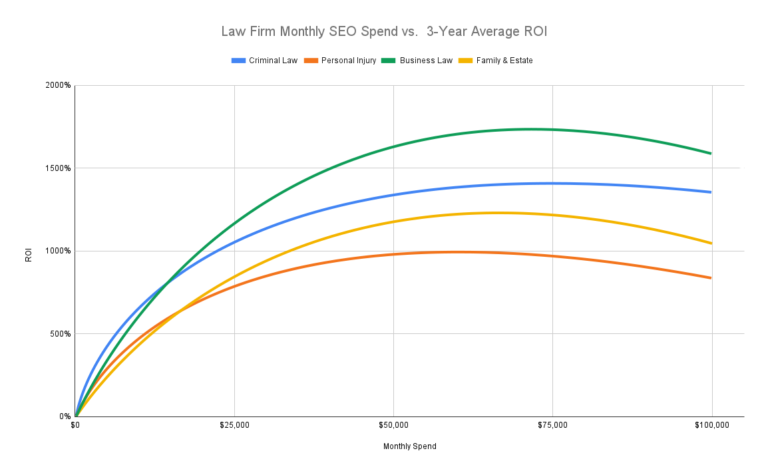
A personal injury attorney can spend two years and a fortune trying to crack the first page, because every lawyer in the state is fighting over the same handful of keywords. Veterinary medicine is a gentler neighborhood. The keywords are plentiful, the competition is thinner, and Google has fewer authoritative pages to choose from when someone searches a specific pet-health question.
Add local intent to the mix and it gets easier still. You’re not trying to outrank the entire internet for “dog vaccines” — you only need to win “dog vaccines in [your town],” a search where your handful of local competitors are usually publishing nothing at all. Google’s own guidance in its helpful content documentation rewards exactly what a good clinic naturally produces: genuine, experience-backed answers to real questions. You already have the expertise. The gap is simply that it lives in your head and at your front desk instead of on a page Google can find. We’ve watched this play out on real local-service sites — a BJJ gym in Taipei that went from zero to 1,178 monthly visitors with daily SEO content is one of the client sites we manage, and a veterinary clinic sits in an even less crowded market than a martial arts gym.
How long until blogging actually fills your schedule?
Be honest with yourself about the runway. New content doesn’t rank overnight — Google needs time to crawl, trust, and rank a page, and a brand-new clinic site starts with no authority. Most practices that publish consistently start seeing meaningful organic traffic in the three-to-six-month range, with the real compounding showing up around month nine and beyond.
The mistake that kills most clinic blogs is stopping at post number four. One article a quarter never builds the momentum Google looks for. A steady rhythm — something publishing every week without fail — is what signals an active, authoritative site. If you want the full picture of what to expect month by month, we laid out a realistic SEO timeline for small businesses that applies directly to a veterinary practice.

The clinics that win aren’t the ones with the biggest marketing budget. They’re the ones that started publishing eighteen months ago and never stopped. The good news is that the barrier to catching them is lower in veterinary medicine than in almost any other local field. The bad news is that every month you wait, a competitor’s article is quietly aging into authority. If publishing SEO content consistently sounds like too much work on top of a full appointment book, RankOnRepeat handles everything — keyword research, writing, and publishing — for a flat monthly fee, and you can see exactly how the process works before you commit.
Frequently Asked Questions
How much does SEO cost for a veterinary clinic?
Done-for-you SEO content typically runs a few hundred to a couple thousand dollars a month depending on volume. That’s usually less than a single week of Google Ads for competitive vet keywords, and unlike ads, the content keeps working after you stop paying.
Do veterinarians really need a blog to rank on Google?
Yes. A Google Business Profile helps you show up on the map, but ranking for the hundreds of pet-health questions owners search requires actual pages answering them. Blogging is how a clinic captures searchers before they’re actively shopping for a vet.
How often should a vet clinic publish new content?
Weekly is the sweet spot for building momentum without burning out. Consistency matters far more than length — a steady stream of focused posts beats one long article published every few months.
Will AI-written content hurt my clinic’s rankings?
Not if it’s accurate, genuinely helpful, and reviewed for quality. Google rewards useful content regardless of how it’s produced. What gets penalized is thin, generic filler that doesn’t answer the searcher’s question.
References
- BrightLocal — Local Consumer Review Survey — data on how consumers use the internet and Google to find local businesses.
- Ahrefs — Search Traffic Study — analysis of over a billion pages finding 90.63% receive zero organic search traffic.
- Google Search Central — Creating Helpful, Reliable, People-First Content — Google’s official guidance on what content it rewards.
- American Veterinary Medical Association — Reports & Statistics — U.S. pet ownership and veterinary market data.
Want content like this working for your business? RankOnRepeat writes, publishes, and manages your entire blog — keyword-targeted articles that attract clients and rank on Google, hands-free. Get started today → · Browse content samples
Published by the RankOnRepeat editorial team · Last updated: July 10, 2026 · How RankOnRepeat works