
Most plumbing marketing advice focuses on one thing: getting the emergency call. Run the ad, rank for “emergency plumber near me,” capture the panicked homeowner. That’s not wrong—emergency jobs are high-value, and you absolutely want to be found when a pipe bursts at midnight.
But here’s what most plumbing companies miss: the homeowners who find you before the emergency become your most loyal, highest-lifetime-value customers.
A customer who discovers you through a helpful blog post about annual maintenance signs up for your yearly service plan, refers you to their neighbors, and calls you first when anything goes wrong. A customer who found you in a panic at 2 AM has no loyalty—they called three companies and went with whoever picked up first.
This is the real case for content marketing in plumbing: not just lead generation, but relationship-building at scale. And it starts with the right blog topics.
The Problem With Emergency-Only Marketing
If 90% of your new customers find you during a crisis, you have a customer retention problem hiding inside a lead generation strategy. Here’s why:
- Emergency customers have no loyalty anchor. They called because you showed up in search results, not because they know and trust you. The next time something goes wrong, they’ll Google again instead of calling you directly.
- Emergency jobs are often one-time interactions. Fix the problem, send the invoice, done. There’s no established relationship to build on.
- Your competitors are one Google search away. Without a content relationship, switching costs are essentially zero for your customer.
Content marketing solves this by building a relationship before the emergency ever happens—and then deepening it afterward.
The Content That Attracts Homeowners Before They Need You
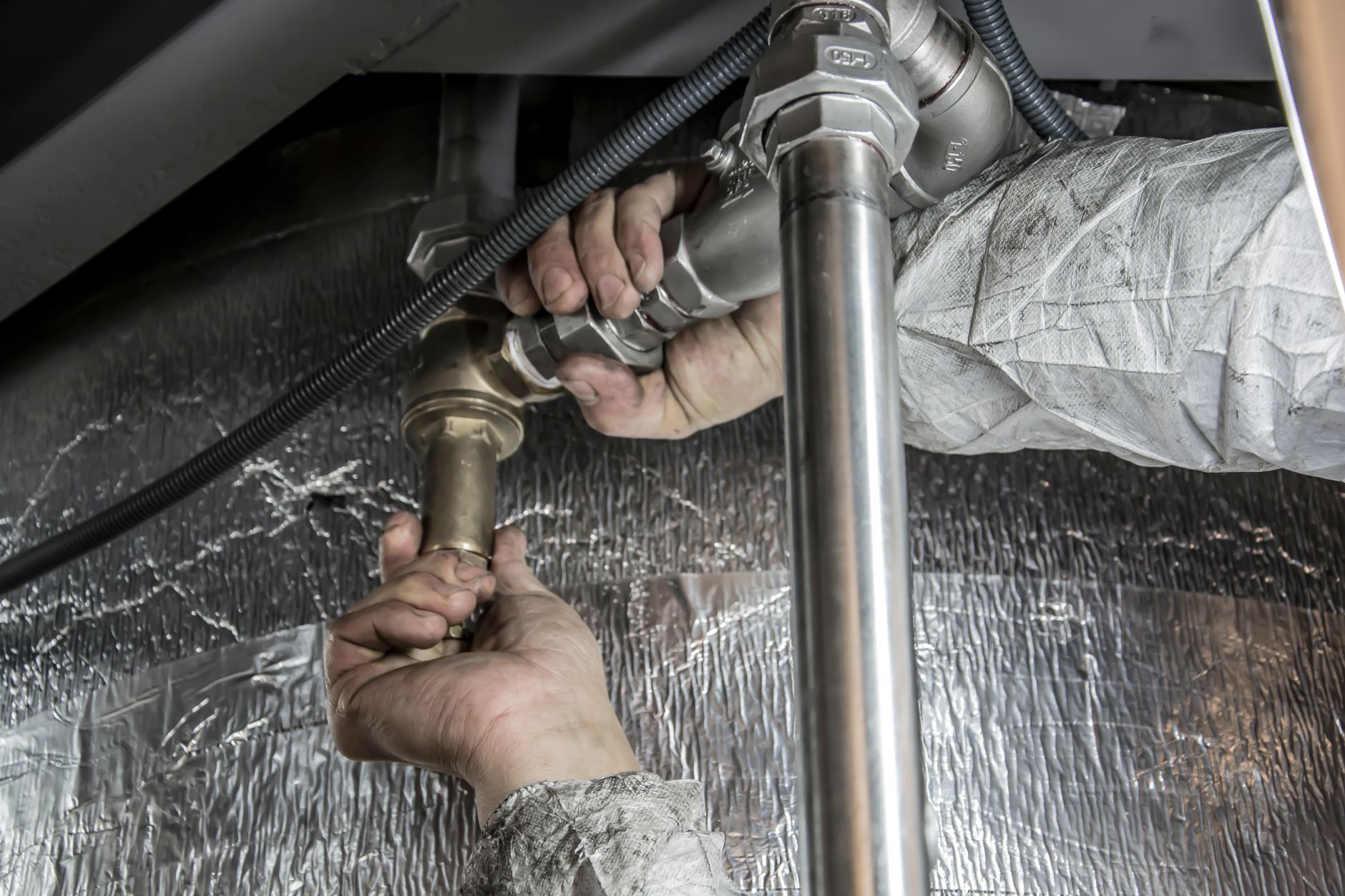
The most powerful pre-emergency content falls into a few specific categories. Each one attracts a homeowner at a different stage of their journey—from “I’m being proactive” to “something seems off but I’m not sure.”
“Signs Your [System] Needs Replacement” Posts
A post titled “Signs Your Water Heater Needs Replacement” is read by homeowners who haven’t had an emergency yet—but are noticing something. Maybe the water isn’t as hot as it used to be. Maybe they heard a rumbling sound. Maybe their water heater is just old.
This is the pre-emergency window. The homeowner is curious, not desperate. They’re open to education. When your post provides clear, expert information, you’ve just become the plumber they trust—before they’ve ever called you.
More importantly, many of these homeowners will schedule a non-emergency service call based on what they read. That’s a booked job that came in calmly, at a normal hour, with a prepared customer who isn’t in crisis mode. Those are the best jobs to run.
Annual and Seasonal Maintenance Checklists
Homeowners who search “annual plumbing maintenance checklist” are the most valuable audience you can attract. These are proactive, organized homeowners who take care of their homes and are willing to pay for preventive services.
A post like “Your Annual Plumbing Maintenance Checklist: What to Inspect Every Year” gives them exactly what they’re looking for—and naturally positions your company as the one to call when the inspection reveals something that needs professional attention.
The Plumbing-Heating-Cooling Contractors Association (PHCC) notes that homeowners who invest in preventive maintenance spend significantly less on emergency repairs over time—and are far more likely to have ongoing relationships with a trusted contractor.
Lifespan and When-to-Replace Guides
Posts like “How Long Does a Water Heater Last?” or “When Should You Replace Your Sump Pump?” target homeowners who are planning ahead. These are high-intent searches from people who know their systems are aging and are starting to budget for replacement.
When your post is the one that tells them “the average water heater lasts 8–12 years, and yours is 11,” you’ve created a warm lead who is mentally ready to spend money. All they need is a trusted contractor to call. You’ve already established that trust through the content.
DIY Limit Posts
These are posts that answer DIY questions but end with a clear professional handoff. “How to Unclog a Drain Without Chemicals” might seem counterintuitive for a plumbing company to publish—won’t it teach people to not call you?
Actually, the opposite is true. Homeowners who tried the DIY fix and it didn’t work are now more ready to call a professional. If your post is the one that tried to help them, they trust you. And the post naturally ends with: “If these steps didn’t solve the problem, the blockage may be deeper in the line—here’s when to call a plumber.”
How Content Turns One-Time Callers Into Lifetime Customers
The mechanics of content-driven loyalty look like this:
- First touchpoint (pre-emergency): A homeowner finds your blog post while researching a plumbing question. They bookmark it, read it fully, or share it with their spouse. They don’t call yet.
- Second touchpoint (minor issue): Three months later, they have a slow drain. They remember the company with the helpful website. They call you for a small job—their first interaction with your team.
- Third touchpoint (relationship cementing): Your team does a great job on the small issue, maybe points out a water heater that’s getting old. You follow up. You earn their trust in person.
- Fourth touchpoint (annual plan): They sign up for an annual maintenance plan or simply save your number. Now you’re their plumber. Not a plumber—their plumber.
None of that happens without the first touchpoint. Content is what creates the first touchpoint at scale—with hundreds or thousands of homeowners in your service area simultaneously.
The Numbers Behind Customer Lifetime Value in Plumbing

Consider what a loyal plumbing customer is actually worth over time:
- Average plumbing service call: $150–$500
- Annual maintenance plan: $200–$400/year
- Major project (water heater, repiping, bathroom renovation): $1,500–$15,000+
- Referrals: potentially 2–5 new customers per loyal customer over a 10-year relationship
A homeowner who stays with your company for 10 years, gets one major project done, and refers two neighbors to you is worth $10,000–$30,000 in total lifetime value. Angi’s research on plumbing costs shows major plumbing projects frequently exceed $5,000, making each loyal customer relationship genuinely significant to a small business’s revenue.
Now compare that to a panicked emergency caller who found you on Google, paid $400, and never called again. Which customer acquisition strategy do you want to optimize for?
The Content Calendar That Makes This Work
You don’t need to publish daily or even weekly. A consistent monthly publishing schedule—one to two well-optimized posts per month—is enough to build real organic visibility over 12–18 months. Here’s a simple framework:
- Month 1–3: Core FAQ posts (water pressure, running toilets, water heater lifespan)
- Month 4–6: Seasonal content (winterization, spring maintenance checklist)
- Month 7–9: Cost guides (water heater replacement, drain cleaning, repiping)
- Month 10–12: Project posts and “signs you need replacement” guides
By the end of year one, you have 12–24 posts covering the most valuable search territory in your local market. Each one is working around the clock to bring homeowners to your website before they need you urgently—and giving them a reason to remember your company name when they do.
What Makes This Strategy Different From Ads
Paid ads stop working the moment you stop paying. A well-ranked blog post keeps bringing in leads months or years after it was written. According to Search Engine Land, organic search traffic compounds over time in ways paid traffic cannot—because each piece of content you publish builds on the authority of the last.
More importantly, the homeowner who finds you through organic search is in a fundamentally different mindset than the homeowner who saw your ad. Organic search requires intent. The person who searched “annual plumbing maintenance checklist” was looking for information, not being interrupted by an ad. That difference in intent translates directly into higher trust and higher close rates.
Getting Started Without Writing a Word Yourself
The most common objection to blogging from plumbing company owners is time. You’re running crews, managing jobs, dealing with supply chain issues, and training technicians. Writing 1,500-word blog posts is genuinely not a realistic addition to your week.
That’s where RankOnRepeat comes in. We specialize in writing keyword-targeted content for home service businesses—including plumbing companies—and publishing it directly to your website on a consistent monthly schedule. You provide the business. We provide the content strategy, the writing, and the SEO optimization that turns your website into a lead-generation machine.
If you’re ready to build a customer base that doesn’t disappear between emergencies, see our pricing plans and start building content that works for you 24 hours a day.
Frequently Asked Questions
Won’t “how-to” content just teach people to DIY instead of calling me?
Almost never. Most homeowners searching “how to fix a running toilet” have already tried the obvious fixes and failed. Your post helps them understand why it’s not working—and naturally leads them to realize when professional help is warranted. Homeowners who feel educated by your content trust you more, not less.
How long before content marketing shows results?
Most plumbing companies see meaningful organic traffic increases within 6–12 months of consistent publishing. The first few months are often slow as Google indexes and evaluates the content. By month 6–9, well-optimized posts in local markets typically start appearing on page one for their target keywords.
Do I need a fancy website to start blogging?
No. Any WordPress or modern website platform supports blogging. The content itself is what drives results—a simple, clean blog on a functional website will outrank a beautiful site with no content every time.
How does content help with customer retention specifically?
Content builds familiarity and trust before the first job. When a customer has already read three helpful posts from your company, they’re not evaluating you from zero—they’re confirming what they already believe. That pre-built trust accelerates the relationship and makes customers more likely to return, sign up for maintenance plans, and refer others.
Stop competing only for the emergency call. Start building the content that brings homeowners to you first—and keeps them coming back for life.
[1] Angi — Plumbing Cost Guide — Research on homeowner spending patterns for plumbing services and major projects.
[2] Plumbing-Heating-Cooling Contractors Association (PHCC) — Industry data on preventive maintenance adoption and contractor relationships.
[3] Search Engine Land — Research on organic vs. paid traffic compounding effects for local service businesses.
Want content like this working for your business? RankOnRepeat writes, publishes, and manages your entire blog — keyword-targeted articles that attract clients and rank on Google, hands-free. Get started today → · Browse content samples