
If you’ve been in HVAC long enough, you know the rhythm by heart. Summer is chaos—phones ringing before 7 AM, technicians on back-to-back calls, customers begging to get bumped up the list. Then September hits. October. Suddenly your schedule has holes in it, your cash flow tightens, and you’re wondering if you need to lay anyone off until the heating season picks up.
This feast-or-famine cycle isn’t a law of nature. It’s a consequence of reactive marketing.
HVAC companies that use Google strategically—specifically, through consistent blog content—can fill their slow seasons with booked jobs that didn’t exist before. Not by discounting aggressively or running desperate ads, but by publishing content that captures search demand that’s already there. The homeowners are searching. The question is whether they find you or a competitor.
This article is about building an HVAC content calendar designed specifically around your slow months—and turning what used to be downtime into revenue.
Understanding HVAC’s Seasonal Search Patterns
Before building a content strategy, you need to understand when homeowners are actually searching—and for what. HVAC search demand follows a predictable annual pattern that maps almost exactly onto your slow seasons.
Here’s how the year typically breaks down:
- January–February: Furnace emergency searches peak; some heat pump interest in mild climates
- March–April: “Is it time to replace my AC” searches begin; spring tune-up interest rises
- May–June: AC replacement and installation searches spike; cooling efficiency content performs well
- July–August: Emergency AC repair searches dominate; you’re too busy to worry about content
- September–October: Searches shift to heat pumps, indoor air quality, duct cleaning, and fall furnace prep
- November–December: Emergency furnace searches; some heat pump and smart thermostat gift-season interest
Notice something? The “slow” months of spring and fall are actually full of HVAC search activity—it’s just a different kind of search. Homeowners are planning, researching, and comparing, not calling in emergencies. Content that speaks to planning-mode homeowners fills your slow season with scheduled, non-emergency work.
The 4 Content Categories That Drive Slow-Season Revenue
1. Heat Pump Education Content
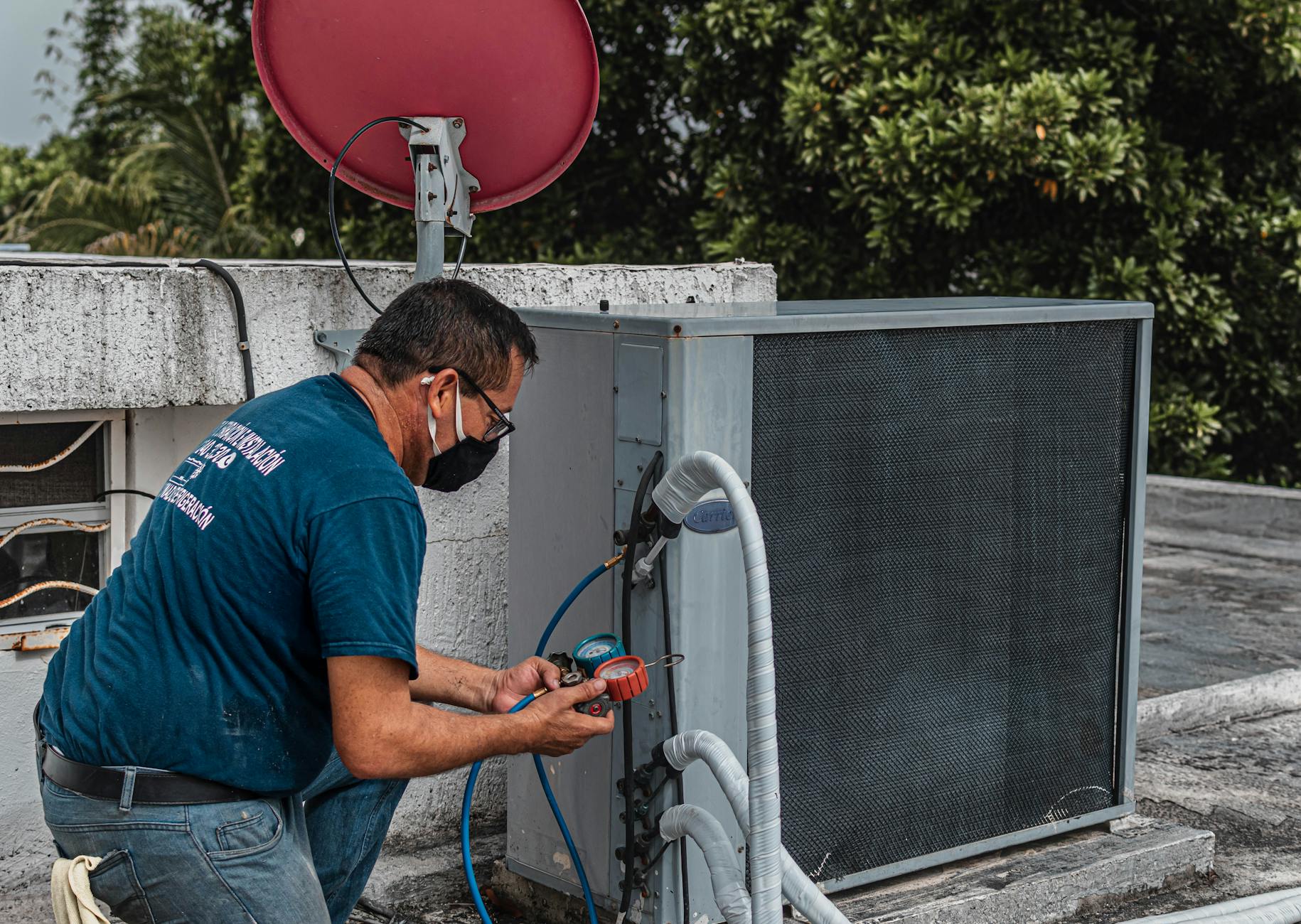
Heat pumps are having a cultural moment. Rising energy costs, federal tax incentives through the Inflation Reduction Act, and growing environmental awareness have pushed heat pump interest to record levels. According to the U.S. Department of Energy, heat pumps now outsell gas furnaces in the United States for the first time in history.
The problem for homeowners: heat pumps are confusing. How do they work in cold weather? Are they more expensive to install? Can I keep my gas backup? These questions drive massive search volume year-round, with particular spikes in spring and fall when homeowners are planning system replacements.
Heat pump education content—honest, detailed, local—positions your company as the expert and captures homeowners who are actively researching this technology. These aren’t tire-kickers. They’re homeowners who have decided to act and are looking for the right contractor to trust.
Slow-season titles to target:
- “Do Heat Pumps Work in Cold Climates? What [City] Homeowners Need to Know”
- “Heat Pump vs. Gas Furnace: Which Makes More Sense in [State] Right Now?”
- “The Federal Heat Pump Tax Credit Explained: What You Can Claim in 2025”
2. Indoor Air Quality Content
Indoor air quality (IAQ) is one of the most underutilized revenue streams in residential HVAC—and one of the most consistent sources of year-round search traffic. Post-pandemic awareness of air quality has permanently elevated consumer interest, and searches like “how to improve indoor air quality,” “best air purifier for home,” and “whole-home humidifier vs. dehumidifier” maintain strong volume across all seasons.
IAQ services—air filtration upgrades, UV light installation, whole-home humidifiers and dehumidifiers, ERV/HRV systems—are exactly the kind of add-on work that fills slow seasons because it isn’t weather-dependent. You can install an air purification system in October just as easily as in July. Content that educates homeowners about IAQ creates demand for services they didn’t know they needed.
The Air Conditioning Contractors of America (ACCA) has consistently highlighted indoor air quality as one of the highest-growth service categories for residential HVAC contractors—particularly because it generates repeat upgrades and annual service visits.
Slow-season titles to target:
- “Is Your Home’s Air Making You Sick? Signs You Need an Air Quality Upgrade”
- “Whole-Home Air Purifier vs. Portable Units: Which Actually Works Better?”
- “Should You Add a Whole-Home Humidifier This Winter? A Homeowner’s Guide”
3. Duct Cleaning and Maintenance Content
Duct cleaning is a perennially confusing service for homeowners. Is it necessary? How often? What does it actually do? This confusion creates search traffic—and that traffic represents homeowners who are open to a clear, honest explanation from a company they can trust.
More importantly, duct cleaning is a service that can be scheduled during any season. Unlike AC installation (which peaks in spring) or furnace installation (which peaks in fall), duct cleaning jobs can fill gaps in your schedule throughout the year. Content that answers homeowners’ duct cleaning questions honestly—including when it is and isn’t worth it—builds credibility that converts into booked jobs.
Fall and spring are the best times to publish this content, since homeowners who just had their HVAC serviced often become curious about the ductwork at the same time.
Slow-season titles to target:
- “How Often Should You Get Your Air Ducts Cleaned? (Honest Answer)”
- “Signs Your Ductwork Needs Cleaning or Repair”
- “Duct Cleaning Cost in [City]: What You Should Expect to Pay”
4. Annual Maintenance and Tune-Up Content
The simplest and most reliable slow-season revenue stream for any HVAC company is the annual tune-up. A spring AC tune-up prevents summer emergencies. A fall furnace check prevents January breakdowns. Homeowners who understand this are willing to pay for preventive maintenance—they just need to be reminded that it’s available and why it matters.
Maintenance content published in the slow season both educates homeowners and drives service calls. According to HomeAdvisor’s HVAC service data, HVAC tune-ups average $75–$200 per visit—enough to fill your schedule with profitable, simple jobs during downtime. And homeowners who book a tune-up are far more likely to call you for the larger replacement when the time comes.
Slow-season titles to target:
- “Why Spring AC Tune-Ups Are Worth Every Penny (And What We Actually Check)”
- “Fall Furnace Maintenance Checklist: What Every [City] Homeowner Should Do Before Winter”
- “HVAC Maintenance Agreement vs. One-Time Tune-Up: Which Is the Better Deal?”
Building Your HVAC Content Calendar Around Slow Seasons
The key to slow-season content is timing. Posts need to be published 6–8 weeks before the season when the related searches peak—so they have time to rank. Here’s what a full-year content calendar looks like when built around HVAC’s seasonal demand:
- January (publish for early spring): Heat pump buying guide, spring maintenance checklist, “is it time to replace your AC” post
- February: AC installation cost guide, brand comparison post, HVAC tax credit explainer
- March (spring slow season begins): Indoor air quality post, duct cleaning guide, AC tune-up post
- April: Energy efficiency upgrade post, smart thermostat guide, whole-home humidifier guide
- July (publish for fall): Fall furnace checklist, heat pump efficiency post, indoor air quality for winter
- August: “Should I replace my furnace before winter” post, furnace cost guide, HVAC maintenance agreement post
- September (fall slow season begins): Duct cleaning post, heat pump vs. gas furnace comparison, fall tune-up post
- October: Emergency furnace symptom posts, heating system lifespan guide, year-end maintenance wrap-up
By mapping content publishing to search timing rather than to your business calendar, you ensure that your posts are ranking when they matter most—and driving calls during the windows when you most need to fill your schedule.
The Compounding Advantage of Consistent HVAC Content
The first year of content publishing often feels slow. You publish 10–12 posts, you see some rankings start to move, but the phone isn’t ringing off the hook from organic traffic yet. That’s normal—and expected.
By year two, something shifts. The posts from year one have been indexed, evaluated, and started ranking. Your domain has built credibility with Google. New posts rank faster because you have an established presence. The slow season still exists—but you’re booked through half of it from the content that’s been working while you were busy running service calls in summer.
By year three, many HVAC companies running consistent content strategies report that organic search has become their primary lead source—surpassing paid ads, directories, and even referrals in total volume. The difference is that unlike paid ads, this traffic doesn’t stop when you pause the budget. It compounds.
The companies that start building this content foundation now will have an enormous advantage over competitors who are still relying purely on emergencies and paid clicks two years from now. This is the real case for HVAC content marketing: not just filling one slow season, but permanently restructuring your revenue cycle away from feast-or-famine.
Making Content Work Without Adding to Your Plate
Running a successful HVAC company is already a full-time job—and then some. Adding a content strategy on top of dispatching, training, billing, and customer service isn’t realistic for most operators. The companies that actually execute on content are usually the ones who’ve outsourced it to specialists.
RankOnRepeat is built specifically for home service businesses like HVAC companies. We handle keyword research, writing, SEO optimization, and publication directly to your WordPress site every month—so your content calendar runs on autopilot while you focus on running your business. If you’re tired of the slow season scramble, see our plans and start building the content foundation that fills your schedule year-round.
Frequently Asked Questions
Can content marketing really fill my slow season, or is this overpromised?
Content can’t eliminate slow seasons entirely—some demand patterns are structural. But HVAC companies that publish consistently for 12–18 months typically see 20–40% of their slow-season revenue come from leads that would not have existed without their blog content. For a company doing $500,000 annually, that’s a meaningful shift in cash flow.
Which slow-season service should I prioritize promoting through content?
Start with whatever has the highest margin and the most scheduling flexibility. For most HVAC companies, that’s heat pump installations and indoor air quality upgrades in fall, and AC replacement consultations in early spring. Tune-up posts are easy wins that generate consistent volume and set up future replacement sales.
Should I use the same content for my website and my social media?
Yes, but adapt it. A 1,500-word blog post can be broken into 3–5 social posts, a short video script, and an email newsletter. Your website content is the primary asset; social and email are distribution channels that send traffic back to it. Don’t publish social content that doesn’t link back to a deeper resource on your site.
How do I track whether my content is actually driving calls?
Set up Google Search Console (free) to see which keywords your posts rank for and how much traffic they receive. Add a call tracking number to your website so you can attribute phone calls to specific pages. Most HVAC companies start seeing ranking movement within 60–90 days of publishing, and measurable call increases within 6 months of consistent publishing.
Ready to stop dreading the slow season? See RankOnRepeat’s plans and get an HVAC content strategy that works year-round—not just when everyone’s AC is already broken.
[1] U.S. Department of Energy — Heat Pump Systems — Data on heat pump adoption, efficiency, and energy savings for residential applications.
[2] Air Conditioning Contractors of America (ACCA) — Industry research on indoor air quality services as a growth category for residential HVAC contractors.
[3] HomeAdvisor — HVAC Service and Tune-Up Costs — National data on HVAC maintenance pricing and frequency benchmarks.
Want content like this working for your business? RankOnRepeat writes, publishes, and manages your entire blog — keyword-targeted articles that attract clients and rank on Google, hands-free. Get started today → · Browse content samples