
Whether you run a plumbing company, an electrical contracting business, an HVAC service, or a roofing outfit, the question is the same: how do you get homeowners in your city to call you instead of your competitor?
The answer — increasingly — is blog content. Not flashy social media. Not expensive Google Ads that stop working the moment you stop paying. Consistent, well-targeted blog content that builds your presence in local Google search and keeps generating calls month after month.
This guide breaks down exactly how it works for home service businesses, what content you actually need, and gives you a practical checklist to get started.
Why Local Content Works Differently Than Regular SEO
General SEO is a competition with the entire internet. Local SEO is a competition with the handful of other home service businesses in your metro area. That distinction matters enormously.
When someone types “HVAC repair near me” or “electrician in [city]” into Google, they are not looking for a national brand. They want someone local, trustworthy, and available. Google knows this. Its local algorithm heavily weights relevance to a specific geographic area — which means a plumber in Denver with great local content will consistently outrank a national directory page that barely mentions Denver.
The data confirms this: 46% of all Google searches have local intent. For home services, that number is even higher because every service is inherently local. You cannot fix someone’s furnace from three states away.
The Three Types of Content That Get You Calls

Not all blog content performs equally. For home service businesses, three content categories drive the majority of inbound leads from Google:
1. City Service Pages
These are the cornerstone of your local SEO strategy. Each page targets a specific service + location combination:
- Plumber in [City]
- HVAC repair [City]
- Electrician [City]
- Roof replacement [City]
City pages are not just about stuffing a keyword into a page title. The best ones include locally specific details: common issues in your area, local building codes and permit requirements, typical pricing in your market, and neighborhood-specific references. Google’s algorithm — and the homeowners reading your content — can tell the difference between a page written by someone who actually knows the area and one that just swapped in a city name.
If you serve multiple suburbs or surrounding towns, each location deserves its own page. A plumbing company serving Chicago, Oak Park, Evanston, and Naperville should have four separate city pages — not one page trying to rank for all four locations at once.
2. How-To and Educational Content
Homeowners start their search before they know they need a professional. They type in the symptom, not the solution:
- Why is my AC making a grinding noise?
- How long do water heaters last?
- Can I replace an outlet myself?
- What causes ice dams on a roof?
Blog posts that answer these questions do two things simultaneously. First, they pull in organic traffic from people who might not have even known they needed a professional yet. Second, they establish your business as the trustworthy local expert — the company that knows this stuff and is willing to share it.
When that reader realizes the problem is beyond DIY, they are already on your website. The conversion happens naturally.
3. FAQ Content
Frequently asked questions are Google gold for home service businesses. They target natural language searches — the exact phrases homeowners type into Google — and they are structured in a way that Google frequently pulls as featured snippets, giving you the top spot even above the regular search results.
Examples of FAQ content that performs well for home service businesses:
- How much does it cost to replace a water heater in [City]?
- Do I need a permit to replace electrical outlets in [City]?
- How often should HVAC systems be serviced?
- What is the average cost of a roof replacement in [City]?
Notice the pattern: FAQ content combined with a city reference is especially powerful because it targets both the information intent and the local intent in a single search.
How Content Clusters Work (And Why They Matter)
Publishing individual blog posts is good. Building a content cluster is better.
A content cluster is a group of related articles that link to each other and to a central hub page. For a plumbing company, it might look like this:
Hub page: Plumbing Services in [City] — a comprehensive overview of everything you offer
Cluster articles linking back to the hub:
- Emergency plumber in [City]: what to expect
- Water heater replacement costs in [City]
- How to choose a plumber in [City]
- Common plumbing problems in [City] homes
- Drain cleaning vs. sewer jetting: which do you need?
When these articles are all live and linking to each other, Google sees your site as a genuine authority on plumbing in that city. Your hub page benefits from the authority of all the cluster articles. Your cluster articles benefit from the stronger hub page. The whole system is greater than the sum of its parts.
This is what separates a business that casually blogs from one that dominates its local search results.
Posting Frequency: What Actually Works
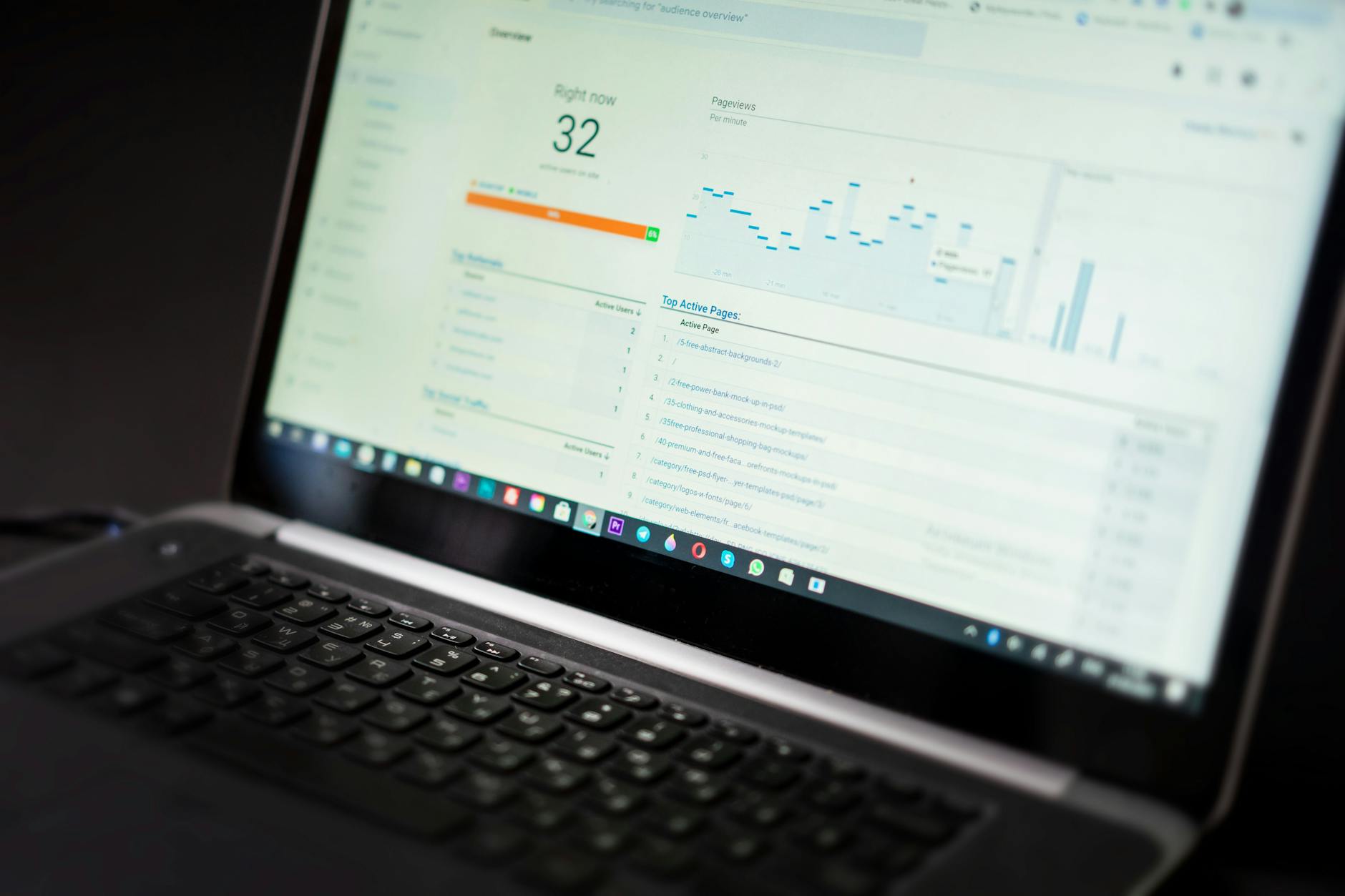
The most common mistake home service businesses make is treating blog content as a sprint. They publish six posts in the first month, nothing in month two, three posts in month three, then go silent for four months.
Google rewards consistency. A business publishing two solid, well-optimized posts per month for twelve months will outperform one that published twenty posts in two months and stopped. Consistent signals tell Google this is an active, maintained website with fresh content — exactly what it wants to recommend to searchers.
For most home service businesses, two posts per month is sustainable and effective. That is twenty-four pieces of content in a year, each one building your authority and pulling in organic traffic for months or years after publication.
How Long Until It Starts Working?
This is the question that separates businesses that benefit from content SEO and those that give up too early.
The honest timeline:
- Months 1-3: Google is indexing your content. Traffic is minimal, calls are minimal. This phase feels like nothing is happening — but it is.
- Months 4-6: Suburban and lower-competition pages start ranking. First organic calls coming in. Traffic is climbing.
- Months 7-12: Main city pages breaking into top positions. Lead volume increasing consistently. The system starts compounding.
- Year 2+: Established authority. New content ranks faster. Older content keeps generating leads. Cost per lead continues dropping.
The businesses that stick with it for 12 months almost universally report that the organic lead system they built is the most cost-effective marketing channel they have — better than Google Ads, better than direct mail, better than referral programs alone.
The Practical Checklist: Local SEO Content for Home Service Businesses

Use this checklist to evaluate where you stand and what to build next:
Foundation
- Do you have a dedicated service page for each major service you offer?
- Does each service page include your city name naturally in the title, first paragraph, and headings?
- Do you have separate pages for each suburb or surrounding city you serve?
- Is your Google Business Profile complete, accurate, and regularly updated?
Content
- Are you publishing at least two new blog posts per month?
- Do your posts target specific keyword phrases, not just general topics?
- Do your educational posts answer questions your customers actually ask?
- Do your posts include local references — city name, neighborhood names, local permit info, typical costs in your area?
- Does each post have a clear call to action at the end?
Cluster Structure
- Do related posts link to each other and to your main service pages?
- Do you have a clear hub page for each major service category?
- Are you tracking which posts are generating traffic and calls?
Consistency
- Has your publishing schedule been consistent for the past 6 months?
- Do you have a content calendar planned out at least 2 months ahead?
- Is someone accountable for ensuring posts go live on schedule?
The Hardest Part Is Not Writing — It Is Doing It Consistently
Most home service business owners understand the strategy once it is explained. The challenge is execution. When you are scheduling jobs, managing crews, handling customer complaints, and running payroll, sitting down to write a 1,200-word blog post about drain cleaning is rarely the priority.
The businesses winning on Google have solved this problem not by finding extra hours in the day — they have removed themselves from the content production process entirely. They set up a system that publishes consistent, optimized content whether they are on a job site, on vacation, or just too busy to think about marketing.
If publishing SEO content consistently sounds like too much work, RankOnRepeat handles everything — keyword research, writing, and publishing — for a flat monthly fee.
The Bottom Line for Home Service Businesses
Local SEO blog content is not complicated. City service pages, educational how-to articles, FAQ content, and a consistent publishing schedule — that is the entire framework. The businesses that execute this framework consistently over 12 months build a lead generation system that works around the clock, gets stronger over time, and costs a fraction of paid advertising.
The best time to start was 12 months ago. The second best time is today. Pick your top three service keywords, add your city, and start building.
Want content like this working for your business? RankOnRepeat writes, publishes, and manages your entire blog — keyword-targeted articles that attract clients and rank on Google, hands-free. Get started today → · Browse content samples