KEY TAKEAWAYS
- One booked install pays for years of content. The average inground pool runs $35,000 to $65,000 — a single SEO-acquired lead returns 50x what a year of blogging costs.
- Pool searches are seasonal, but content isn’t. The articles you publish in November rank by March, when 70% of pool quotes are requested.
- Buyer intent is unusually clear. Nobody Googles “fiberglass vs gunite pool cost” without a credit application in their near future.
- The competition is asleep. Most pool builder websites have fewer than 10 indexed blog pages — KD 0–8 in 80% of US metros.
- Lead-gen platforms charge $30 to $90 per shared lead. Your own ranked article delivers exclusive leads at zero marginal cost, indefinitely.
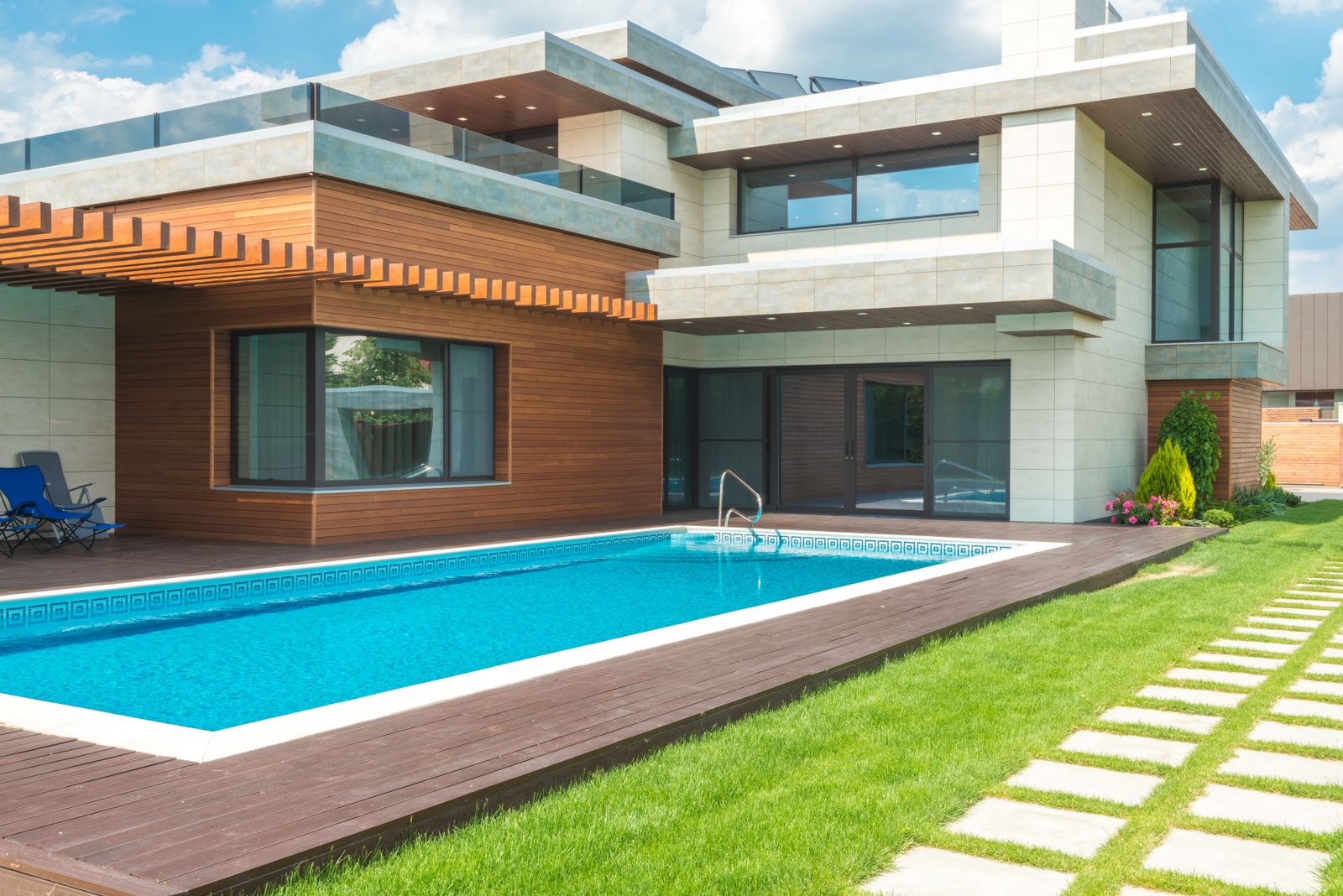
A single inground pool install averages between $35,000 and $65,000, according to HomeGuide’s 2024 contractor pricing data. That’s the ticket size most pool builders are competing for — and most of them are still paying Angi or Thumbtack $30 to $90 per shared lead to get in the door. There’s a quieter way to fill the pipeline, and it doesn’t require begging an aggregator for crumbs: rank your own website for the searches your buyers are already typing six months before they sign a contract. Pool builders are sitting on the cleanest, most underserved SEO opportunity in residential construction right now. Here’s why, and how to actually use it.
Why Pool Builders Are Sitting on the Best SEO Window in Trades
Pool building has a structural advantage other trades don’t: a long, deliberate buyer journey with massive ticket sizes. A homeowner deciding between a $42,000 fiberglass pool and a $78,000 gunite build does not commit on the first phone call. They spend weeks — sometimes months — researching online before they ever request an estimate. That research happens on Google.
Most pool builder websites are five-page brochures with a gallery and a contact form. They publish nothing. They blog nothing. Ahrefs’ free keyword tool returns difficulty scores of 0 to 8 for hundreds of pool-related queries in mid-sized US metros. That’s not low competition. That’s no competition. Compare this to plumbers or HVAC techs, where local SEO is now a knife fight, and the gap becomes obvious.
The truth is, most pool companies aren’t losing to better marketers. They’re losing to lead aggregators who saw the gap and filled it for them. SEO vs Angi Leads covers this dynamic in detail, but the short version is: every dollar you pay Angi is a dollar you’re funding their domain authority while starving your own.
The Buyer Psychology Behind a $60,000 Pool Decision
A direct answer for the snippet box: pool buyers go through roughly four search phases before contacting a builder — inspiration (looking at pool styles), education (gunite vs fiberglass vs vinyl), budgeting (cost guides and financing), and vetting (local builder reviews). Most close in phase four. Smart pool companies show up in phase one.
Picture the homeowner who searched “infinity edge pool ideas” on Pinterest in August. By September she’s reading “fiberglass vs gunite pool maintenance cost” articles. By November she’s typing “pool builders [her city]” into Google Maps and reading reviews. If your blog answered her phase-one and phase-two questions, your company is already in her shortlist when phase four arrives. If not, you’re competing with three names she found through a paid platform.
This is the part most builders miss. They wait for “ready-to-buy” leads and ignore the four months of search behavior that decided who got the call. Owned content captures that early-funnel attention. Paid leads only intercept the very end of the funnel — and by then, the buyer has already decided which two or three companies make her list.
The Article Topics That Actually Book Pool Estimates
Three categories of content consistently drive booked consultations for pool companies: cost guides, comparison pieces, and local landing pages. They aren’t glamorous, but they convert.
Cost guides. The single highest-converting page on a pool builder website is usually some version of “How Much Does an Inground Pool Cost in [City] in 2026”. Buyers searching for this phrase have intent levels that paid traffic can’t match. They want a real number, not a sales pitch. Give them honest ranges, list what drives the cost up or down, and put a “Get an exact quote” CTA above and below the fold.
Comparison pieces. Fiberglass vs gunite. Saltwater vs chlorine. Pool vs hot tub. Pool plus deck vs pool only. These articles capture the buyer mid-research and position your company as the educator, which carries forward when they’re ready to call. The pool builder who writes the most helpful comparison piece wins the bookmark, the share to the spouse, and eventually the inquiry.
Local landing pages. One page per service area. Not stuffed with keywords — written like a real person describing why pool builds in Plano are different from Houston (soil type, water table, HOA rules). Google’s local algorithm rewards specificity, and so do buyers. Generic city pages get ignored. Pages with real local knowledge get bookmarked.

If you’ve already published a couple of “5 mistakes to avoid” listicles and saw nothing happen, that’s why. Those articles match the format of content marketing but not the intent of pool buyers. Cost, comparison, and local — pick those three over everything else for the first year.
What’s Broken on Most Pool Builder Websites
Quick audit you can run in 90 seconds: open your site on a phone. Time how long it takes for the hero image to fully load. If it’s over three seconds, you’re losing roughly half your mobile visitors before they see a single word, per Google’s own Largest Contentful Paint thresholds.
The most common technical issues I see on pool company sites:
- Hero images uploaded at 6000+ pixels wide, slowing mobile load times to 7+ seconds
- Image galleries loaded all at once instead of lazy-loaded — killing Core Web Vitals scores
- No schema markup for LocalBusiness or Service, so Google doesn’t know what cities you serve
- Contact forms above the fold but no phone number — half of pool buyers prefer to call directly
- Zero internal links between blog posts and service pages, leaving content stranded
None of these are exotic SEO problems. They’re basic hygiene, and fixing them often moves rankings within 30 days because Google has been waiting for your site to be technically passable before it bothers to rank your content. The work is unglamorous and necessary, in that order.
Local SEO Moves Pool Companies Skip and Lose Leads For
Google Business Profile is the single highest-ROI marketing channel a pool builder has, and most builders treat it like a phone book listing. They claimed it five years ago, uploaded six photos, and never logged back in.
The Google Business Profile moves that actually shift map pack rankings, in rough order of impact: weekly photo uploads from active job sites (geotagged with the city you’re working in), monthly Google Posts about a recent project, soliciting reviews from every completed install with a specific request to mention the city name in the review, and answering the Q&A section yourself before competitors can mislead a potential customer in your own listing.
BrightLocal’s 2024 local consumer review survey found that 81% of consumers read Google reviews before contacting a local business, and businesses with 100+ reviews receive 2.7x more clicks than those with fewer than 10. For pool builders, where trust is the single biggest barrier to a $60K commitment, this isn’t optional. It’s the work.
The Real Timeline From First Post to First Booked Estimate
Honest answer for the snippet: most pool builders see their first booked estimate from organic search between months four and seven of consistent publishing, with meaningful pipeline volume by month nine to twelve. Anyone promising faster results is either lying or selling Google Ads.
The reason is straightforward. Google’s algorithm rewards consistency and content depth, both of which compound. A site that publishes one article per week for six months has 26 ranked entry points into your business. A site that publishes one article and waits to “see if it works” has one. How Long Does It Take to Rank on Google goes deeper into the timeline math, but for pool builders specifically, the seasonal demand pattern matters: content published in October typically ranks by March, when 60–70% of pool quote requests happen.
That means today — June — is the right time to start if you want your articles ranked by next spring’s selling season. Wait until February and you’ve missed the window. This is one of the rare cases where the calendar genuinely matters for SEO planning. The pool builders winning their markets in 2027 are publishing right now.
Why the Lead-Gen Platforms Are Eating Your Margin
Here’s the math nobody at Angi will explain to you. A pool installation lead from a shared platform typically runs $40 to $90, and “shared” means three or four other builders got the same lead. Industry close rates on shared leads hover around 8–12%. So your blended cost per actual signed contract often lands between $400 and $1,100 just to get the appointment, before you’ve spent a dollar on the proposal process.

Compare that to an organic lead from a well-ranked article. The article cost you, generously, $200 to commission. Once it ranks, it delivers leads for 18 to 36 months with no further spend. Even at one lead per month — modest — that single article delivers 20+ leads over its useful life at a marginal cost of roughly $10 each. And those leads are exclusive to you. The buyer found you, not a list of four competitors.
This is the same compounding effect we’ve seen at a BJJ gym in Taipei that grew from zero to 1,178 monthly visitors through daily SEO content — different vertical, same mechanics. Specific, useful articles ranked over time and replaced paid acquisition with owned attention. For pool builders with a much higher transaction value, the ROI is dramatically better.
The pool builders quietly dominating their metros in 2026 figured this out two years ago. They stopped renewing Angi contracts and put the same monthly spend into consistent content publishing. That’s the play.
Frequently Asked Questions
How much does SEO cost for a pool builder?
Done-for-you SEO content services for pool builders typically run between $500 and $2,500 per month depending on volume and whether technical SEO is included. RankOnRepeat’s flat monthly subscription falls at the lower end of that range and includes keyword research, writing, and publishing. A single signed pool install at $50K covers more than 8 years of content investment.
How long before SEO actually books pool installations?
Most pool builders see their first organic-search estimate between months four and seven of consistent publishing. Meaningful pipeline impact — multiple booked installs per month from organic — typically arrives between months nine and fourteen. Pool’s seasonal demand pattern means content needs to be ranked by February or March to capture spring-season buyers.
Can I write SEO content myself instead of hiring it out?
Technically yes, practically no. A 1,500-word article that’s actually optimized for ranking takes 3–5 hours including keyword research, outline, writing, and formatting. Most pool builders bill that time at $150+ per hour to clients. The opportunity cost of doing your own SEO content is higher than paying someone to do it well.
Should I run Google Ads while waiting for SEO to kick in?
For a 90-to-180 day bridge, yes — but with a strict budget. Cost-per-click for pool-related keywords ranges from $4 to $18 in most US metros, so set a daily cap and treat ads as bridge financing for the months your organic content needs to mature. Don’t make ads your forever strategy unless margin is enormous.
The Bottom Line for Pool Builders Reading This in June
Spring 2027’s selling season is already being decided. The pool builders who’ll dominate Google rankings nine months from now are publishing right now — in the off-season, when their competitors are coasting on referrals and waiting for warmer weather. By March, when phones start ringing, those rankings will be locked in.
If publishing consistent SEO content sounds like the right move but you don’t have the time or stomach to research keywords, write articles, and post them every week, that’s exactly what RankOnRepeat does for a flat monthly fee. We handle the research, writing, and publishing across trades like solar, roofing, and high-ticket residential construction. You get to keep doing what you’re actually good at — building beautiful pools.
References
- HomeGuide — 2024 Inground Pool Cost Guide — average $35,000-$65,000 install cost data for fiberglass, gunite, and vinyl pools
- Google web.dev — Largest Contentful Paint — Core Web Vitals thresholds and mobile load-time impact
- BrightLocal 2024 Local Consumer Review Survey — 81% of consumers read Google reviews before contacting a local business
- Google Search Central — LocalBusiness Structured Data — schema markup reference for local service businesses
- Ahrefs Free Keyword Generator — used to assess keyword difficulty scores for pool-related queries in US metros
Want content like this working for your business? RankOnRepeat writes, publishes, and manages your entire blog — keyword-targeted articles that attract clients and rank on Google, hands-free. Get started today → · Browse content samples
Published by the RankOnRepeat editorial team · Last updated: June 15, 2026 · How RankOnRepeat works