
If you’re an electrician trying to grow your business online, the most common question is: what should I actually write about?
Generic advice like “just start a blog” doesn’t cut it. You need content that targets the searches homeowners and property managers are already making — searches with buying intent that lead directly to booked jobs.
This guide breaks down the five content categories that consistently rank on Google and convert readers into paying electrical customers. Each one comes with an example title and an explanation of why it attracts high-value work.
Why Blog Content Works Differently for Electricians
Most homeowners don’t think about their electrical system until something goes wrong — or until they want to upgrade. When they do, they go straight to Google. They type in questions like “how much does an electrical panel upgrade cost” or “signs my electrical panel needs replacement.”
If your website doesn’t have pages answering those questions, you don’t exist in that moment. A competitor who does have that content gets the call.
The good news: most electricians aren’t publishing this kind of content yet. The barrier to ranking is lower than in almost any other home services category. That means if you start now, you can own significant Google real estate in your service area within months — not years.
Here are the five post types that do the heaviest lifting.
1. Cost Guide Posts: The Highest-Converting Content You Can Publish
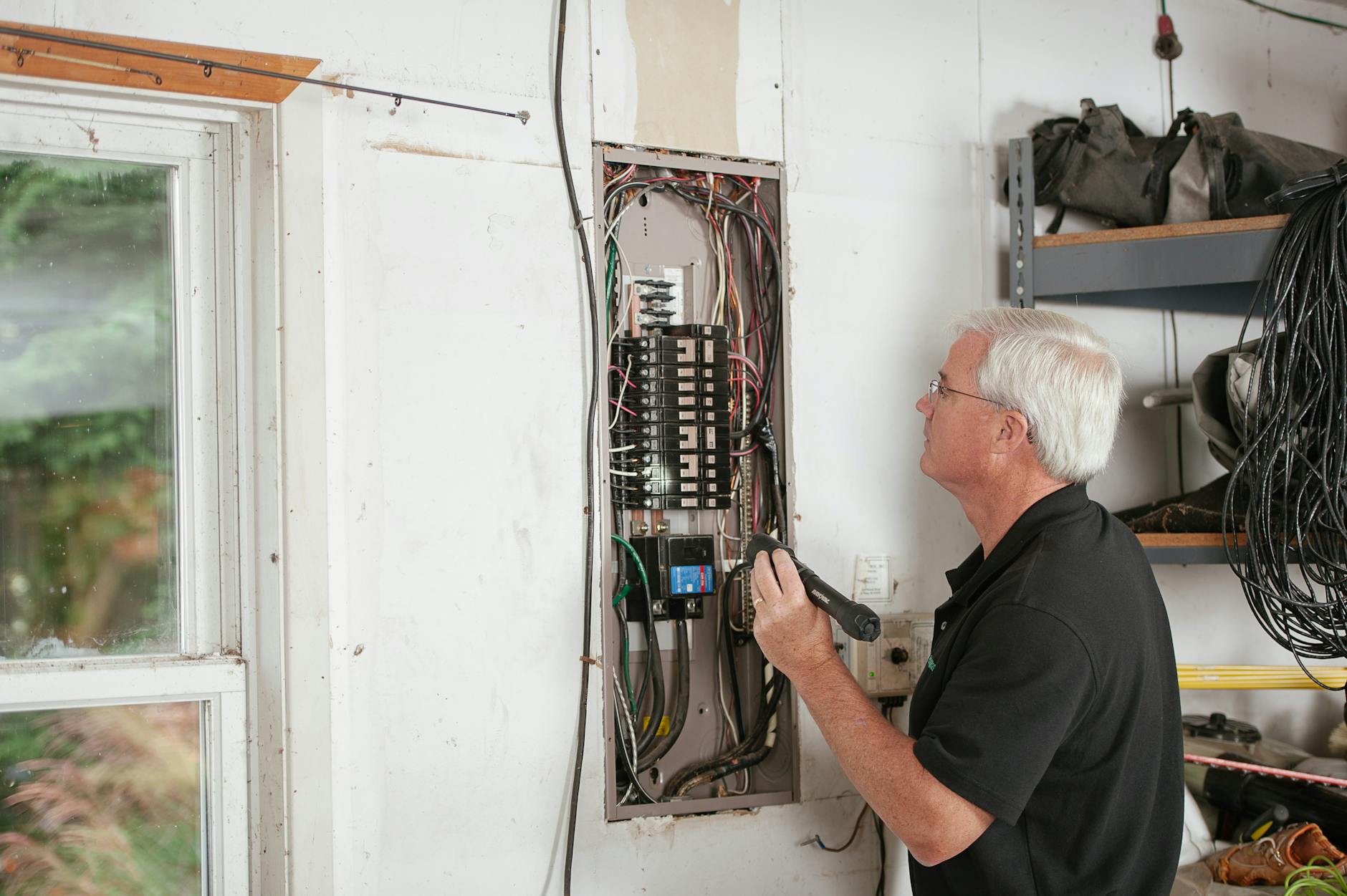
Cost-related searches are among the highest-intent queries on Google. When someone searches “how much does a panel upgrade cost,” they’ve already decided they need the work done. They just want a ballpark before they call.
These posts rank well because they match search intent precisely — and they convert because readers arrive pre-qualified.
Example Title
“How Much Does an Electrical Panel Upgrade Cost in [Your City]? (2026 Pricing Guide)”
What to Cover
- Average cost range for a 100-amp to 200-amp upgrade in your area
- Factors that affect price: panel brand, labor hours, permit fees, home age
- What happens during the upgrade (day-of process)
- When an upgrade is legally required vs. optional
- A simple CTA: “Get a free quote from our licensed team”
According to data from HomeAdvisor, panel upgrade searches spike every spring and fall — homeowners preparing for summer AC loads and winter heating. Publishing before those seasons maximizes your visibility.
Other cost guides worth writing: generator installation cost, EV charger installation cost, whole-home rewire cost, adding a circuit cost.
2. Safety and Warning Sign Posts: Urgency-Driven Traffic That Calls Immediately
If a homeowner notices their lights flickering, breakers tripping repeatedly, or outlets feeling warm to the touch — they’re going straight to Google in a mild panic. These are your most urgent leads.
Safety-focused content captures people who need help now, not in two weeks. Conversion rates from these posts are exceptionally high because the reader is already experiencing a problem.
Example Title
“7 Signs Your Electrical Panel Needs to Be Replaced (Don’t Ignore #4)”
What to Cover
- Specific warning signs: flickering lights, burning smell, breaker trips, discolored outlets
- Which signs are urgent vs. which can wait for a scheduled appointment
- Fire risk statistics — the NFPA reports that electrical failures are one of the leading causes of home fires in the U.S.
- What a licensed electrician does during a panel inspection
- Clear CTA with phone number or booking link
These posts also build trust. Homeowners who read your safety content before calling are more likely to approve recommended work on the spot — because you’ve already established authority.
3. Permit and Inspection Guides: Ranking for the Questions Contractors Forget

Homeowners attempting DIY electrical work — or who’ve just bought a house — search constantly for permit-related questions. “Do I need a permit to replace my electrical panel?” gets searched thousands of times per month nationally.
Almost no electricians publish this content. That’s a wide-open ranking opportunity.
Example Title
“Do You Need a Permit for Electrical Work in [Your City]? Here’s What Homeowners Need to Know”
What to Cover
- Which electrical jobs require permits in your jurisdiction (panel upgrades, rewires, new circuits)
- What happens if you skip a permit (failed home inspection, insurance issues, resale problems)
- The inspection process — timeline, what the inspector checks
- How hiring a licensed electrician simplifies the permit process
This content positions you as the expert who handles everything — permits, inspections, code compliance — so homeowners don’t have to figure it out themselves. That’s a strong reason to hire you over an unlicensed competitor.
4. EV Charger Installation Content: The Fastest-Growing Electrical Search Category
Electric vehicle adoption is accelerating. As of 2025, EV sales in the U.S. have passed 10% of new vehicle sales — and every new EV owner eventually searches for home charger installation.
EV charger installation is a premium job: typically $800–$2,000+ depending on panel condition and distance. Homeowners doing this search are already committed to buying. They just need to find the right electrician.
Example Title
“Level 2 EV Charger Installation: What Homeowners Need to Know Before Calling an Electrician”
What to Cover
- Level 1 vs. Level 2 charger differences and why Level 2 is worth the upgrade
- Panel requirements: does the home need an upgrade first?
- Installation timeline and what the process looks like
- Cost range broken down (equipment, labor, potential panel work)
- Federal and state tax credits available for EV charger installation
- Which charger brands you recommend and install
Bonus: this content also ranks for searches from EV dealerships looking to refer customers to local electricians — a valuable referral channel most electricians completely ignore.
A useful overview on home EV charger installation:
5. Generator Installation Posts: High-Ticket Work, Almost Zero Competition

Whole-home generators and standby power systems are among the highest-value jobs an electrician can land — often $5,000–$15,000+ depending on generator size and electrical work required. After every major storm or power outage, search volume for generator installation spikes dramatically.
Most electricians who install generators don’t have a single page targeting this keyword. That’s an enormous missed opportunity.
Example Title
“Whole-Home Generator Installation in [Your City]: Cost, Process, and What to Expect”
What to Cover
- Portable vs. standby generator: which is right for most homeowners?
- Automatic transfer switch installation and why it’s required
- Generator sizing: how many kilowatts does a typical home need?
- Permit requirements for generator installation
- Fuel types: natural gas vs. propane vs. diesel
- Maintenance requirements after installation
This content also produces excellent seasonal traffic. Publish it in September before winter storm season — or in May before hurricane season — to catch homeowners when they’re actively planning rather than reacting in an emergency.
Frequently Asked Questions
How often should an electrician publish blog posts?
Two to four posts per month is enough to build consistent Google visibility. Consistency matters more than volume — a steady publishing schedule signals to Google that your site is active and regularly updated, which supports rankings across your entire site.
Do blog posts really help electricians get more calls?
Yes — when targeted correctly. Generic posts like “tips for electrical safety” rarely rank. But posts targeting specific searches with buying intent — like “panel upgrade cost in [city]” — consistently attract homeowners who are ready to hire. The key is matching your content to what people actually type into Google.
How long does it take for electrical blog posts to rank?
In less competitive local markets, well-optimized posts can appear on page one within 60–90 days. In larger cities with more established competitors, expect three to six months. Either way, the rankings compound over time — posts you publish today can drive calls for years.
Should I write the posts myself or hire someone?
Hiring a specialist who understands both electrical topics and SEO is significantly faster and more reliable than writing it yourself. Most electricians don’t have time to write 1,500-word posts every week — and posts that aren’t properly optimized for search rarely rank even if they’re well-written.
Turning Posts Into a Consistent Lead Source
The five content types above aren’t one-time wins. Each post you publish adds a permanent asset to your website — one that can rank, receive traffic, and generate calls for years without any ongoing ad spend.
The challenge for most electricians isn’t knowing what to write. It’s finding the time to do it consistently while running a business. That’s the gap that a done-for-you content service fills.
RankOnRepeat publishes SEO-optimized blog content for electricians every month — researched, written, and posted to your site. No contracts, no complicated packages. See how it works or check current pricing.
[1] HomeAdvisor — Electrical panel upgrade cost data and consumer search trends
[2] National Fire Protection Association (NFPA) — Electrical fire statistics and home safety research
[3] International Brotherhood of Electrical Workers (IBEW) — Licensing standards and electrical industry resources
Want content like this working for your business? RankOnRepeat writes, publishes, and manages your entire blog — keyword-targeted articles that attract clients and rank on Google, hands-free. Get started today → · Browse content samples