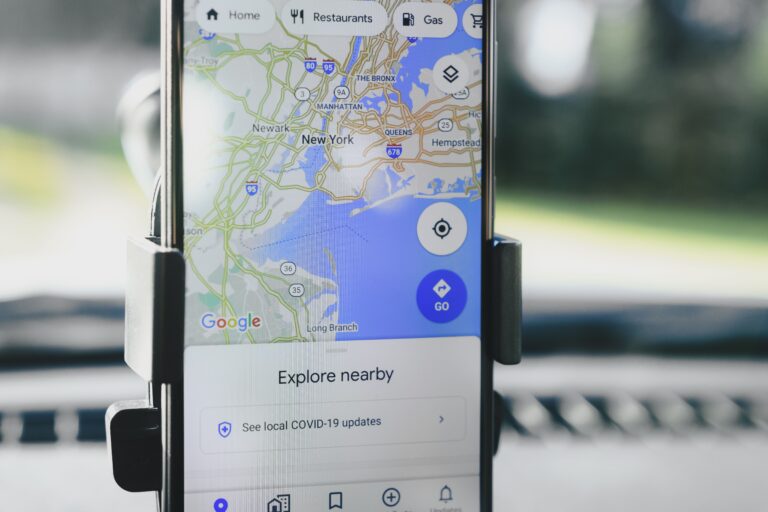
- Backlinks aren’t the #1 factor for local rankings — Google’s local algorithm ranks on relevance, distance, and prominence. Backlinks are one slice of “prominence,” and for most service businesses, Google Business Profile signals and fresh content outweigh link counts.
- Local pack results are driven by reviews, citations, and GBP completeness — not the link profiles that dominate national SEO conversations.
- Publishing consistent, helpful content builds topical authority that earns rankings without a link-building campaign.
- Most local competitors have weak or no link profiles — meaning one well-written blog post on a low-competition keyword can outrank an established business with zero content.
- Chasing backlinks before your site has real content is backwards. Fix the content gap first, then let links come naturally.
A roofing company in Denver spent $4,000 on a backlink-building service last year. Their domain authority went up three points. Their phone didn’t ring any more than before.
The SEO industry has spent two decades emphasizing backlinks to the point where small business owners believe they’re the whole game. They’re not — especially not for local service businesses competing in a single city or metro area. The question isn’t whether backlinks help (they do), it’s whether they’re where your time and money should go right now.
For most local businesses, the answer is almost always no.
What Backlinks Actually Do for Google Rankings
Backlinks are votes of confidence from one website to another. When a respected industry publication links to your site, Google interprets that as a signal of authority. The original logic, dating back to Google’s founding algorithm, is that if credible sites are pointing to you, you probably have something worth showing searchers.
That principle still holds — but it’s been layered over with dozens of other signals. Google’s algorithm now evaluates content quality, user behavior, page experience, entity recognition, and for local businesses specifically, an entirely separate set of proximity and relevance signals. In that context, backlinks are one input among many, not the master lever.
Whitespark’s 2023 Local Search Ranking Factors survey found that link signals account for roughly 16% of local organic ranking factors and closer to 11% for Google’s local pack — the map listings. That’s meaningful. It’s also far less than most people assume.

Why Local SEO Plays by Different Rules
National SEO — ranking a software product or e-commerce store against global competition — is a backlink arms race. The sites that win tend to have hundreds or thousands of referring domains built over years. Competing there without a serious link-building operation is genuinely difficult.
Local SEO is a different problem. When someone in Austin searches “emergency plumber near me,” Google isn’t comparing your plumbing site against the entire internet. It’s comparing you against the 15 other plumbers in Austin with a web presence. That changes the math entirely.
According to Moz’s Local Search Ranking Factors research, the local pack algorithm weighs five main signal categories: Google Business Profile signals, review signals, on-page signals, behavioral signals (clicks, calls, direction requests), and citation/link signals. Link signals rank last of the five. Your GBP completeness, the recency of your reviews, and whether your phone number is consistent across every directory matter more than how many sites link to you.
This doesn’t mean backlinks are irrelevant. It means you’re working with a shorter priority list, and links sit near the bottom — not the top.
The Ranking Factors That Actually Move the Needle for Local Businesses
Before chasing backlinks, most local service businesses have three bigger opportunities sitting untouched.
Google Business Profile. A fully optimized GBP — complete categories, service areas, service descriptions, Q&A populated, and regular photo updates — drives map visibility directly. Businesses that update their GBP weekly with fresh photos and respond to every review tend to outrank competitors with superior backlink profiles. Google is watching engagement signals closely, and inactivity on your GBP reads as a signal that the business may be dormant.
Reviews. The volume, recency, and diversity of your reviews shape both your local pack ranking and your conversion rate once you get there. BrightLocal’s 2024 Local Consumer Review Survey found that 98% of consumers read online reviews for local businesses — and that review recency matters significantly. Reviews older than 90 days carry less weight than fresh ones. A business averaging one new review per week will outrank a competitor with 200 old reviews and nothing posted recently.
Topical content. This is where most local businesses have the clearest opportunity. A dentist who publishes a blog post about what to expect during a root canal isn’t just answering a patient question — they’re building topical relevance that tells Google this site is genuinely about dentistry. Consistent content is one of the clearest signals that a site is maintained and authoritative, as we covered in What Google Actually Rewards in 2026.
Citations and NAP consistency. Your business Name, Address, and Phone number need to match exactly across Google, Yelp, Facebook, Bing, and Apple Maps. Inconsistencies confuse Google’s local entity understanding and suppress rankings. It’s free to fix and almost universally overlooked.
When Backlinks Do Matter — and When They Don’t
The honest answer: backlinks matter more as competition increases.
A divorce attorney in a mid-size city competing against 20 other family law firms, all running content strategies and with solid review profiles — there, backlinks become a tiebreaker. A link from the local bar association’s website or a feature in the regional business journal can separate page-one from page-two. At that level of parity, link-building has a real return.
For most service businesses — an HVAC contractor in a suburban market, a dental practice in a small city, a deck builder in a growing suburb — the competitive landscape doesn’t require that. Most of your competitors have a five-page website from 2019, no blog, a GBP they set up once and never touched, and maybe 30 reviews. You don’t need 50 backlinks to beat that. You need 20 solid blog posts, a complete GBP, and fresh reviews coming in monthly.
The businesses that genuinely need proactive link-building are usually competing in hypercompetitive metros (New York personal injury law, Los Angeles real estate) or trying to rank nationally rather than locally. If that’s not your situation, the ROI on backlink acquisition is almost certainly lower than the ROI on content.
The trap is treating local SEO like national SEO because that’s what you read about online. Most SEO content is written for SaaS companies and e-commerce brands. Their playbook doesn’t transfer directly to a plumber in Tucson or a chiropractor in Columbus.
Building Topical Authority Without a Link-Building Budget
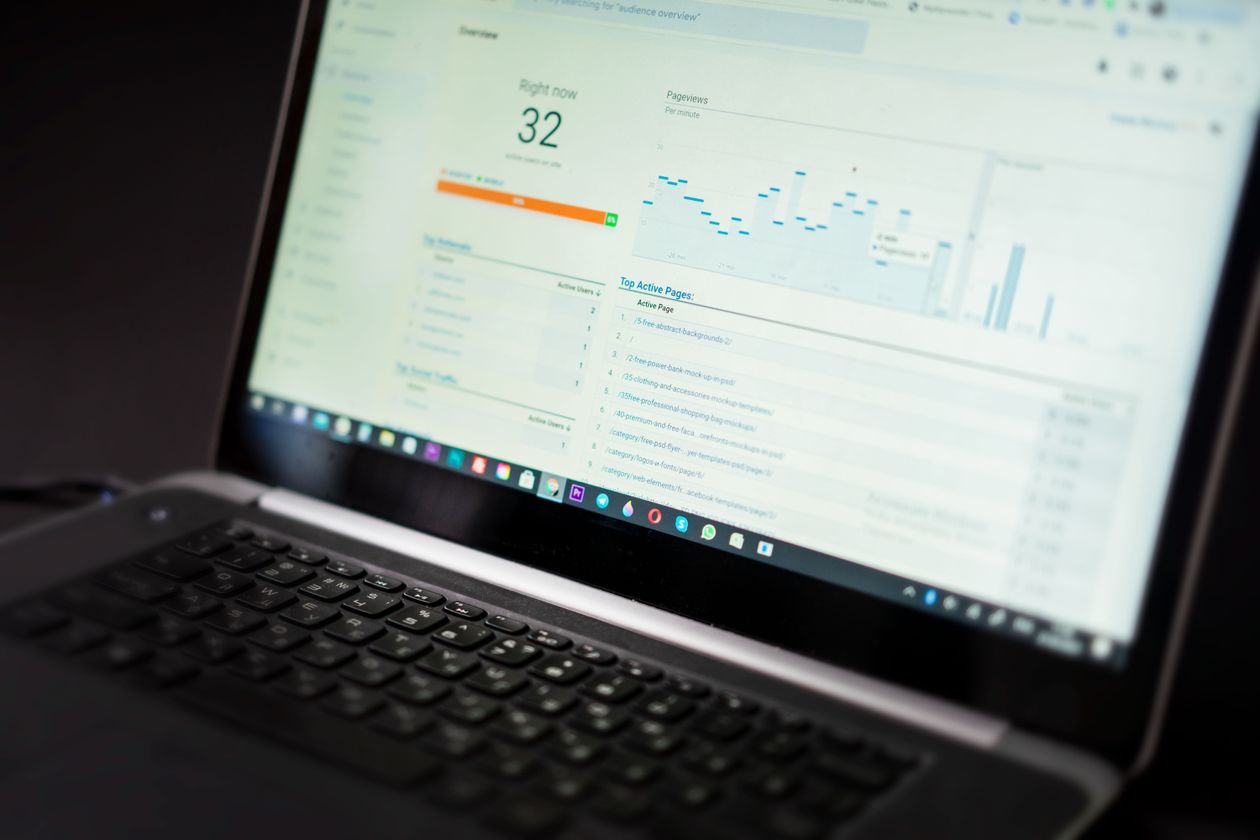
Google’s documentation has made something increasingly explicit: a site can build authority through demonstrated expertise in a topic area, without relying solely on external validation. For a local service business, that authority is built through consistent, specific content — not generic “10 tips for homeowners” posts, but content that digs into the actual questions your customers are already searching.
A roofing company that publishes 30 articles covering insurance claims, material comparisons, seasonal maintenance, and what to look for after hailstorms is building something that purchased links can’t replicate. The depth and specificity signal genuine expertise. And over time, that content earns organic citations from local news sites, directories that aggregate helpful content, and industry blogs — without anyone pitching them.
This is also where keyword strategy matters. Targeting long-tail keywords that larger competitors ignore gives local businesses ranking wins in the short term while building topical authority for more competitive terms over time. A well-structured topic cluster — where a central pillar page links to supporting articles — also passes internal link equity that partially compensates for fewer external links.
The businesses using RankOnRepeat’s publishing model follow exactly this path. Consistent content, zero link outreach, rankings that build over 6–12 months in ways that paid ads never match. A BJJ gym in Taipei went from zero to 1,178 monthly visitors through daily SEO content alone — taipeibjj.com. An archery retailer, archerysupplier.com, hit 1,103 monthly sessions through blogging without any link-building campaign. The mechanism isn’t mysterious — it’s topical depth, published consistently.

Frequently Asked Questions
Can a local business rank on Google without any backlinks?
Yes — for most local keywords, especially in less competitive markets. Google’s local ranking algorithm weighs GBP signals, reviews, on-page content, and behavioral signals heavily. Many service businesses rank in the local pack with minimal or no external backlinks by maintaining a complete GBP, earning consistent reviews, and publishing relevant content that matches what searchers are looking for.
How many backlinks do I need to rank locally?
There’s no universal number, and chasing a target without context is the wrong approach. Tools like Ahrefs or Semrush show the Domain Rating and backlink count of whoever currently ranks in position one for your target keyword — that’s your actual benchmark, not a generic recommendation. For most local service searches outside of major metros, that number is far lower than you’d expect.
What’s the fastest way to improve local SEO without building backlinks?
Optimize your Google Business Profile first: fill out every field, add service descriptions, upload fresh photos weekly, and respond to all reviews within 48 hours. Then publish one helpful blog post per week targeting specific questions your customers are searching. That combination consistently moves rankings faster than almost anything else for local businesses, and it compounds — unlike ads that stop the moment you stop paying.
Do Google reviews help with SEO rankings?
Yes, directly. Review signals are one of Google’s confirmed local ranking factors. Review count, average rating, and recency all influence where you appear in the local pack. Reviews also influence whether someone clicks on your listing once it appears — making them a conversion driver as much as a ranking signal. Getting one new review per week outperforms a static 5-star average from three years ago.
If publishing consistent, expert content sounds like more than your team can manage, RankOnRepeat does the entire operation — keyword selection, writing, and publishing — for a flat monthly fee. No agency retainer, no per-article invoices. Learn more about how it works.
References
- Whitespark Local Search Ranking Factors 2023 — annual industry survey quantifying how much different signals influence local pack and local organic rankings.
- Moz Local Search Ranking Factors — breakdown of GBP, review, on-page, behavioral, and link signal weights for local SEO performance.
- BrightLocal Local Consumer Review Survey 2024 — consumer data on how reviews influence local business discovery and trust, including recency preferences.
- Google Search Central — How Search Works — Google’s official documentation on relevance, ranking signals, and how the algorithm evaluates content.
- Search Engine Land — Local SEO Ranking Factors — analysis of how proximity, prominence, and relevance interact in Google’s local search results.
Published by the RankOnRepeat editorial team · Last updated: August 1, 2026 · How RankOnRepeat works