
- Electrical service searches convert at one of the highest rates in the trades — “electrician near me” gets 246,000 monthly searches in the U.S., and the click-to-call rate on local pack results sits above 12%.
- The keyword competition for electrician topics is shockingly low — most service-page and blog-target phrases score KD 0–8 in Ahrefs, meaning a six-month content plan can outrank companies with 20-year-old websites.
- Three intent buckets matter: emergency (“breaker keeps tripping at 2 AM”), planned upgrade (“200-amp panel upgrade cost”), and discovery (“EV charger installation in [city]”). Each needs its own article — not one mega-page.
- The biggest mistake: treating the website like a brochure instead of a 24/7 sales rep. Static homepages don’t rank in 2026. Consistent publishing does.
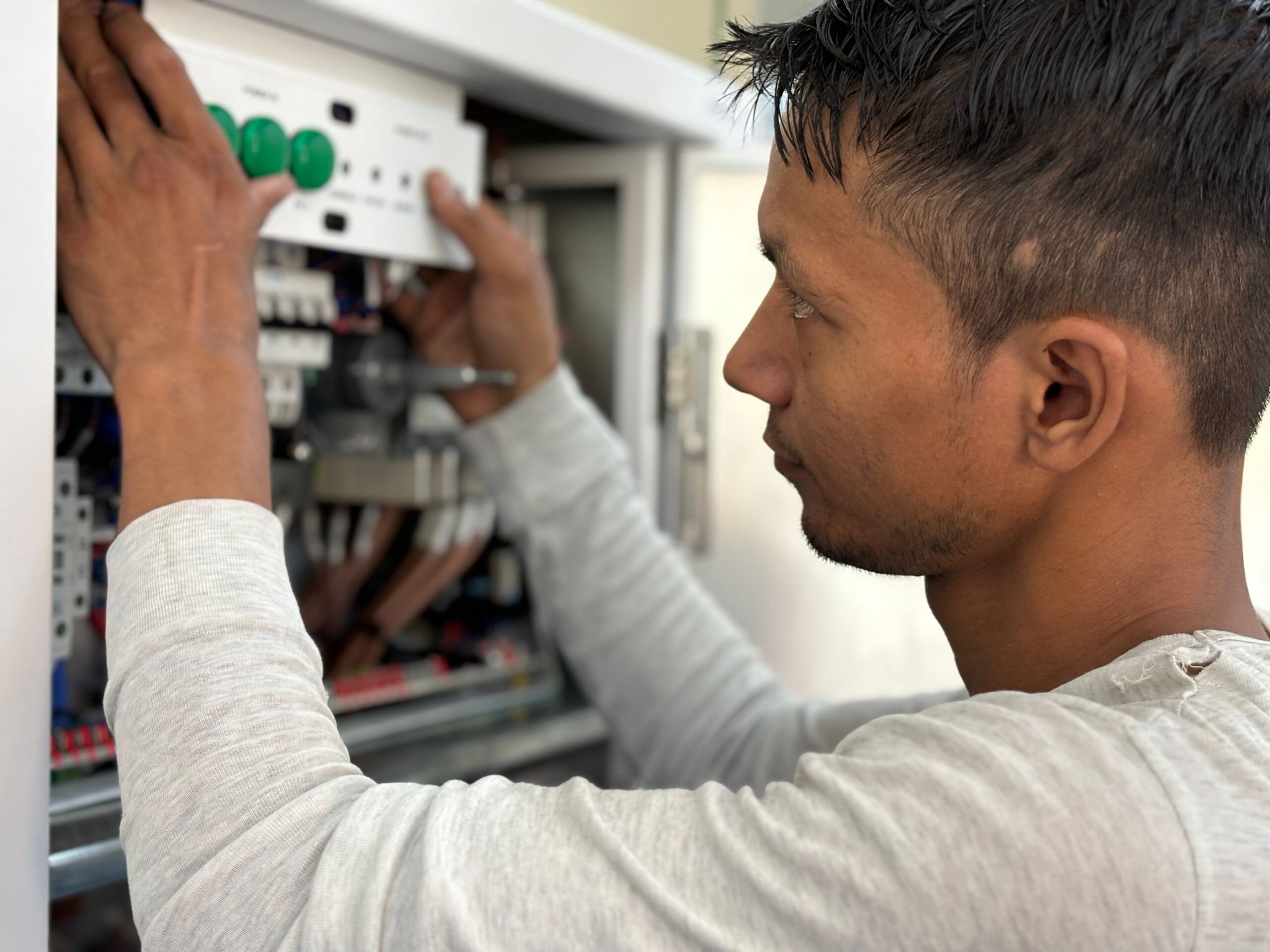
A licensed master electrician in Dallas told me last spring that he was paying Angi $94 per “lead” — and roughly one in five of those leads actually answered the phone. He was bleeding $7,000 a month and competing against five other electricians on every quote. Six months after launching a weekly blog targeting search terms like “GFCI keeps tripping in bathroom” and “200-amp panel upgrade cost Dallas,” his organic call volume passed his Angi volume. The Angi subscription got cancelled. The blog kept paying.
That story is repeating across the country because electrical work is one of the few trades where the math on SEO genuinely makes sense. The searches are high-intent. The competition is asleep. And the average ticket size — anywhere from $180 for a single outlet to $8,500 for a panel replacement — makes one organic call worth more than most service businesses see in a week.
Why Electricians Rank Faster on Google Than Most Trades
Electrical contractors sit in a quiet sweet spot. The work is technical enough that most homeowners will not DIY it, the safety stakes mean people search for answers before they search for prices, and the keyword universe is genuinely under-served by anyone writing for actual humans.
Pull up Ahrefs and check “how to reset a tripped GFCI outlet” — 6,800 monthly U.S. searches, keyword difficulty 4. “Why does my breaker keep tripping” — 9,300 searches, KD 6. “Cost to install EV charger at home” — 14,000 searches, KD 11. These are commercial-intent queries. The person asking is two clicks away from picking up the phone. And the top-ranking results are usually thin, ad-stuffed sites from 2018 with one paragraph of generic advice.
Contrast that with dentistry or personal injury law, where the top results are owned by national directories and content empires with eight-figure budgets. A solo electrician with a clean website and 40 well-written blog posts can outrank companies that have been online for two decades. The barrier isn’t talent. It’s consistency — and most electrical companies stop after three posts.
The Three Search Patterns Every Electrician Needs to Cover
Search behavior in this trade splits cleanly into three buckets, and most electrician sites only ever address one of them. Here is what they actually look like in the wild.
Emergency intent shows up at odd hours and uses panicked, descriptive language. “Half my house has no power but breakers aren’t tripped.” “Burning smell from electrical outlet.” “Smoke detector chirping with new battery.” The person searching isn’t comparing five companies — they want help in the next 90 minutes. Rank for these and your phone rings before the competition has finished its morning coffee.
Planned upgrade intent comes from homeowners doing research before they spend real money. “200-amp service upgrade cost.” “Knob and tube rewiring price.” “Cost to add a 240V outlet for hot tub.” These searches happen weeks before the job closes, but the people clicking are pre-qualified by their own Google research. They show up to the consultation already knowing what they want.
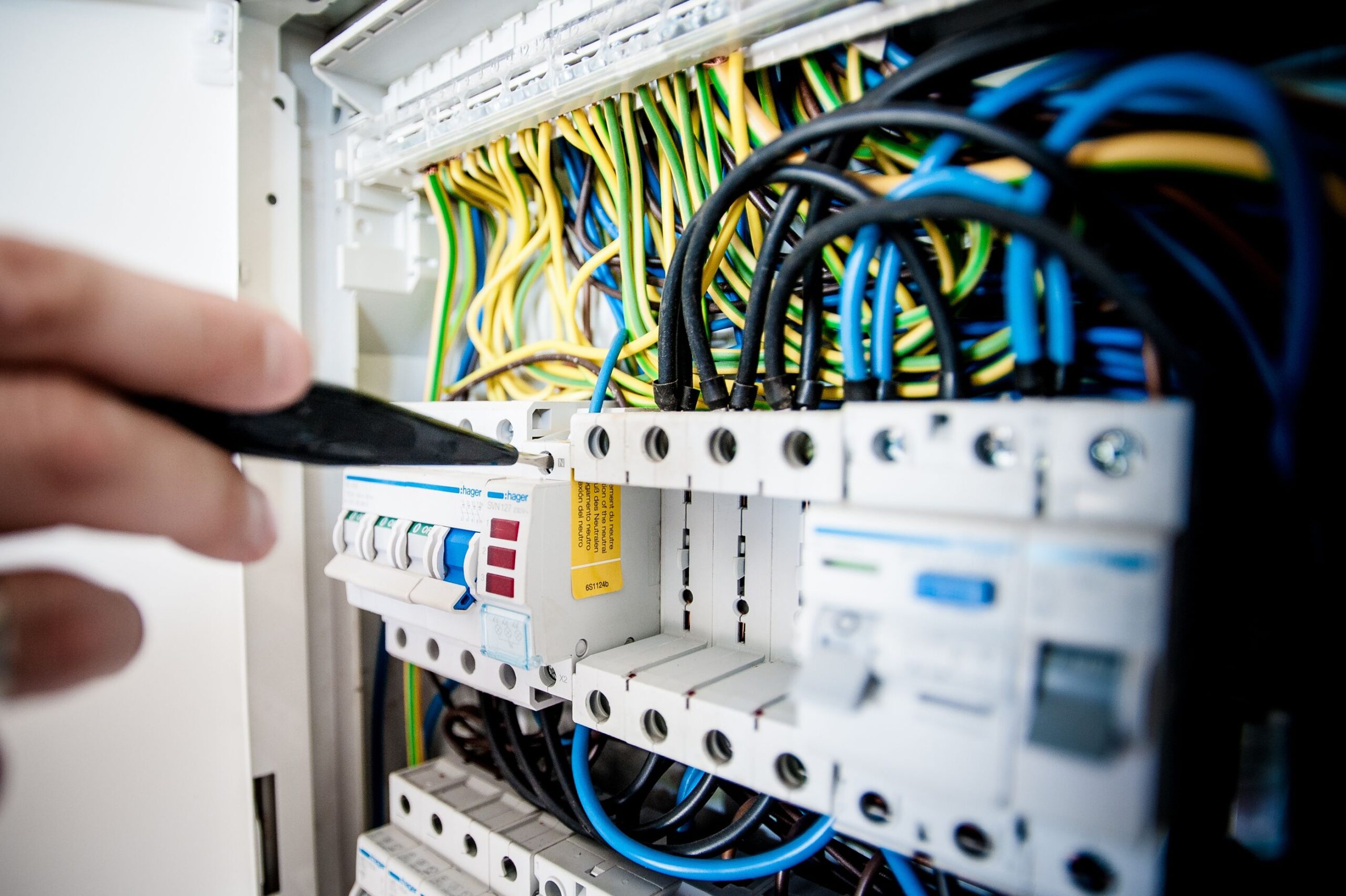
Discovery intent is where the future of this trade lives. Searches like “EV charger installation near me,” “home backup battery wiring,” and “smart panel vs traditional panel” are growing 40% year over year per Google Trends data on residential electrification queries. Electricians who publish now on Tesla Powerwall installs, Span panels, and Level 2 charger requirements will own those keywords before the rush hits.
The Blog Topics That Actually Generate Calls (Not Just Traffic)
Traffic is vanity. Call volume is the only metric that matters. Here is the topic structure that converts for residential electrical companies — pulled from real campaigns running across multiple trades-focused content programs.
Cost articles are non-negotiable. “How much does a 200-amp panel upgrade cost in [city]” pulls the highest-quality leads of any topic format. The reader is doing budget math before calling, which means they’re serious. Include a real price range broken down by city, a why-it-varies section (panel brand, permit fees, service drop complexity), and a “what to ask before you sign” callout. These articles work because they pre-qualify the homeowner and pre-sell the value before the phone rings.
Troubleshooting articles capture emergency-adjacent traffic. “Why does my outlet have a burning smell” is the kind of search where the homeowner is calling someone within an hour. Don’t be afraid to answer the question completely — Google rewards thoroughness, and the people who fix it themselves were never going to call anyway. The ones who realize they’re out of their depth will scroll straight to the contact form.
Code-and-compliance articles get linked to by city building departments and home inspectors, which generates compound authority. “Do I need a permit to replace a breaker in [state]” is the kind of article that gets quietly cited by inspectors, real estate agents, and other electricians — and every one of those mentions is a backlink earned without asking.
The Local SEO Mistakes That Bury Most Electrical Companies
Most electrician websites aren’t badly designed. They’re just invisible. Three mistakes account for nearly every case I see.
The first is using one generic “Services” page to cover everything. Panel upgrades, EV chargers, troubleshooting, rewiring, lighting installs, generator hookups — all crammed into one URL. Google can’t rank a page for ten different search intents, so it ranks the page for none of them. Each service needs its own page, each with its own keyword target, its own pricing detail, and its own internal links to relevant blog posts.
The second is ignoring Google Business Profile. According to BrightLocal’s 2025 Local Consumer Review Survey, 87% of consumers used Google to evaluate local businesses last year — up from 81% in 2021. An electrician with 11 reviews and an unfilled service area will not show in the local pack for “electrician near me,” no matter how good the website is. Photos of completed panels, weekly Q&A posts, and a service area that covers actual ZIP codes (not just “Greater Metro Area”) are the basics most companies still skip.
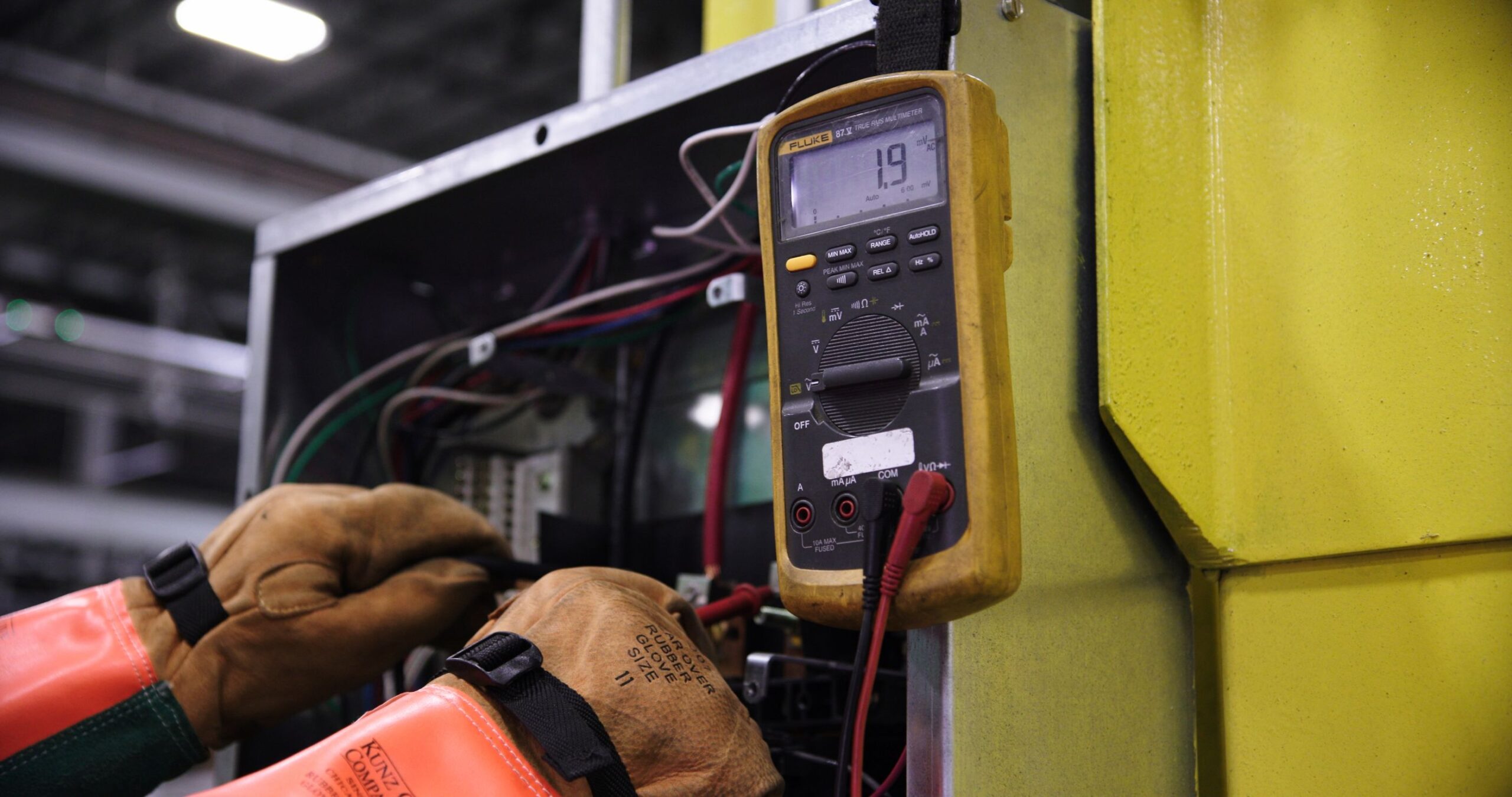
The third is publishing once, then waiting. Three blog posts in March and silence until October doesn’t tell Google anything about expertise or freshness. Sites that publish steadily — even one well-researched post a week — outperform sites that drop ten posts in a sprint and disappear. This is the same lesson learned by every trades business that’s tried SEO seriously: the algorithm rewards rhythm, not effort spikes. (For a deeper look at this dynamic, see why most small business websites don’t rank on Google.)
How Long Until SEO Actually Pays Back for an Electrical Company?
The honest answer most agencies won’t give you: somewhere between four and nine months for the first measurable revenue jump, and 12–18 months for SEO to overtake whatever paid channel you’re currently dependent on. New electrical sites publishing weekly typically see their first organic call between weeks 6 and 10 — usually from an emergency keyword that ranked faster than expected because the competition was thin.
Google’s John Mueller has said repeatedly that consistent publishing is one of the strongest signals a site can send. The data from Ahrefs’ study on time-to-rank shows that even pages targeting low-competition keywords take an average of 61 days to reach the top 10, and that’s for sites that already have domain authority. A new electrical contractor site should plan for 6–9 months of patient publishing before the compounding effect kicks in.
The truth is, most electricians who skip SEO aren’t saving money — they’re just paying Angi or HomeAdvisor for leads instead, at $80 to $120 a pop, forever. A blog program costs roughly the same as 30 Angi leads a month but produces calls that don’t disappear when you stop paying. The compounding math wins by month nine.
Why “Set It and Forget It” Marketing Doesn’t Exist in This Trade
The contractors who win at SEO treat the website like a hire, not a one-time purchase. The site needs new content the same way the truck needs gas. Publish weekly, refresh older posts every six months with updated price ranges and code references, and answer every Google Business Profile question within 24 hours.
This sounds like a lot because it is. It’s also why most electricians outsource it — the same way they outsource accounting and payroll. A weekly content program handled by a specialized service typically runs $400–$900 a month, which is less than two Angi leads. The ROI math closes quickly when one organic panel upgrade lead lands a $4,200 job. RankOnRepeat handles the entire pipeline — keyword research, writing, publishing, internal linking — so the electrician spends their week actually working instead of writing about working.

The Trade-Off Most Electricians Get Wrong
Time is the real cost. A solo electrician who tries to write their own SEO content typically lasts six weeks before the truck gets busy and the blog goes dark. The half-finished site is worse than no site, because Google sees the abandonment and downgrades the domain accordingly. Either commit to a publishing cadence — your own, or someone else’s — or don’t start. There is no middle ground that produces rankings.
The electricians who win this game are the ones who pick a niche within the trade and own it. EV charger installations. Generator hookups. Solar interconnections. Knob-and-tube rewires in older neighborhoods. Pick one, publish 20 articles around it, and the local pack starts working in your favor within a year. Trying to rank for everything is how most companies end up ranking for nothing — a pattern repeated across the trades, including garage door companies competing for emergency repair calls.
Frequently Asked Questions
How much does SEO cost for an electrical company?
Full-service SEO content programs for electrical contractors typically run $400–$1,200 per month depending on publishing frequency and local market competition. DIY blogging costs nothing in cash but realistically requires 6–10 hours per week to do correctly. For comparison, Angi Leads pricing averages $80–$120 per call, often unconverted.
How many blog posts does an electrician need to start ranking?
Most electrical service sites see meaningful organic traffic after 25–40 well-targeted posts, published consistently over 6–9 months. The number matters less than the cadence — Google rewards sites that publish steadily and update older posts, more than sites that publish a one-time burst of content.
Should electricians focus on Google Ads or SEO first?
Google Ads delivers calls immediately but stops the moment you stop paying. SEO takes 4–9 months to ramp but produces calls indefinitely after that. The pragmatic answer is to run both for the first six months, then taper the ad spend as organic rankings take over the same searches.
Can I rank for “electrician near me” without paying for ads?
Yes, but only by combining a strong Google Business Profile (reviews, photos, accurate service area) with a content-rich website that targets specific service keywords. The “near me” pack favors local businesses with active GBP signals — review velocity, photo updates, and Q&A responses all weigh heavily in 2026.
The Move Most Electricians Will Make in 2026
The trades are about to split. One group will spend the next 18 months building organic search assets that pay them forever — articles ranking for “EV charger installation,” “panel upgrade cost,” and “smoke alarm wiring code” that keep producing calls long after the writer has moved on. The other group will keep renting leads from Angi and Google Ads at increasing prices and call it marketing. The split is already visible in markets like Austin, Phoenix, and Tampa, where a handful of electrical companies have quietly cornered the search results while the rest fight for paid scraps.
If writing weekly SEO content sounds like the last thing a working electrician has time for, RankOnRepeat runs the entire program — keyword research, writing, image sourcing, publishing, internal linking — for a flat monthly fee. The same model that’s been working for portfolio sites like taipeibjj.com, a Taipei gym that went from zero to 1,178 monthly visitors with daily SEO content, applies just as cleanly to a residential electrical company in any U.S. market.
References
- BrightLocal 2025 Local Consumer Review Survey — data on how consumers evaluate local service businesses on Google.
- Ahrefs — How Long Does It Take to Rank in Google? — study on average time-to-rank for new content across keyword difficulty ranges.
- Google Search Central — SEO Starter Guide — official guidance on indexing, content quality, and ranking signals.
- Google Trends — EV Charger Installation — search interest data on residential electrification keywords trending upward through 2026.
- U.S. Department of Energy — Electric Vehicle Charging at Home — federal guidance on Level 2 charger installation requirements relevant to residential electrical contractors.
Want content like this working for your business? RankOnRepeat writes, publishes, and manages your entire blog — keyword-targeted articles that attract clients and rank on Google, hands-free. Get started today → · Browse content samples
Published by the RankOnRepeat editorial team · Last updated: June 21, 2026 · How RankOnRepeat works