
Key Takeaways
- Painter searches are cheap to rank for — keyword difficulty for terms like “house painters near me” averages under 12 in most U.S. metros, compared to 40+ for dentists or attorneys.
- Google Business Profile carries 36% of the local pack ranking signal, but written content is what gets you onto the regular blue-link results below the map.
- A blog post that ranks for “how much does it cost to paint a 2,500 sq ft house in [city]” pre-qualifies the lead before the homeowner ever calls.
- Painters who publish weekly content for 6 months typically see organic call volume overtake their Angi spend by month 8.
- Photos of real local jobs in your blog posts outperform stock imagery on engagement and time-on-page by roughly 2x.
A homeowner in Cincinnati just typed “interior painters near me” into Google. There were 4,400 searches like that in Cincinnati last month according to Google Keyword Planner — and the three businesses that showed up in the local pack will field most of those calls. The painters on page two will not. That gap, between the painters Google sees and the painters Google ignores, is what this article is about. Most painting company owners assume SEO is some mysterious thing that only matters to bigger trades. The truth is, painting is one of the easiest local service categories to rank for — if you understand how to feed Google the signals it wants.

Why Painting Companies Rank Faster Than Dentists or Lawyers
Keyword difficulty is the single most overlooked metric in trades SEO. When a dentist tries to rank for “dentist near me” in Phoenix, they are fighting Aspen Dental, Western Dental, and 200 independent practices that have been blogging since 2018. Ahrefs puts that keyword’s difficulty at 47 — meaning you need backlinks from roughly 47 authoritative sites to crack the first page.
Painters do not have this problem. The same Ahrefs tool puts “house painters Phoenix” at a difficulty of 9. “Interior painting contractors Phoenix” sits at 4. Most painting companies have never published a single blog post. Their websites are five static pages and a contact form. That is the entire competition.
The reason matters: painting got skipped over by the digital marketing industry. Agencies chased dentists and personal injury lawyers because those clients pay $3,000–$8,000 a month for SEO. Painters got pitched cheap directory listings and Angi subscriptions instead. So the search results stayed thin, and the door is still wide open.
What “SEO for Painters” Actually Means in 2026
SEO breaks into two halves for a local painting business, and most owners only know about one of them. The first half is your Google Business Profile — the listing with your phone number, hours, and the photos of jobs you have completed. This is what triggers the map pack at the top of search results. BrightLocal’s 2024 Local Search Ranking Factors study found that proximity, profile completeness, and review velocity drive about 36% of map pack visibility.
The second half is your website’s content. Below the map pack sit the organic blue-link results, and Google ranks those almost entirely on the quality and relevance of the pages on your site. If your website only has a home page, an “about” page, and a “services” page, you have given Google three pages to work with. A competitor with 40 blog posts has given Google 40 chances to match a homeowner’s search. That is why painters who blog consistently start outranking painters who do not, even when the non-blogger has been in business longer.
The trick is matching the content to what homeowners actually type. Nobody Googles “painter” by itself. They Google “how much does it cost to paint kitchen cabinets,” “best paint color for north-facing living room,” and “do painters caulk before they paint.” Each of those queries represents a homeowner who is 30 days away from hiring someone. If your blog answers their question, you become the painter they trust before they have called anyone.

The 5 Search Terms That Bring Paying Customers
Not every search term is worth chasing. The high-volume ones — “painters near me,” “house painter,” “painting company” — are competitive enough that you need an established Google Business Profile and steady reviews to rank for them. But there is a layer beneath those that is wide open, and the people typing them are further along in the buying process.
- “Cost to paint [room type] [city]” — These searches come from homeowners 14–30 days out from booking. They want a number before they call. A 900-word blog post with real local price ranges captures this traffic at almost no competition.
- “Best paint for [specific surface]” — Stucco, brick, kitchen cabinets, exterior siding. Homeowners researching their own job become leads when they realize they would rather pay a pro.
- “How long does it take to paint a [size] house” — A scheduling question disguised as a search query. The reader is mentally calendaring the disruption.
- “Should I paint before selling my house” — These searches come from real estate transactions. Conversion rates are 3x higher than generic painter searches.
- “[Color] vs [color] for [room]” — Decision-stage homeowners. Capture them once with helpful content, and your name is the one they remember when paralysis sets in.
The pattern: search queries with a specific noun and a specific intent. These are the keywords your competitors are not writing about — and the ones BrightLocal’s data shows convert at the highest rate for service businesses.
How Google Decides Which Painter Shows Up First
Google’s local algorithm runs on three signals: relevance, distance, and prominence. Relevance means your business and content match what the searcher typed. Distance is the physical gap between the searcher and your office address — there is no way around this one, you rank better in your own ZIP code than three suburbs over. Prominence is the messy bucket: how many reviews you have, how recent they are, how many other websites link to yours, and how often you are mentioned online.
Most painting companies are surprised that consistent blog publishing affects prominence. Google’s John Mueller has stated in multiple Search Central videos that fresh, relevant content on a domain is a long-term ranking signal. A site that publishes one post a week for a year looks more active and authoritative than one that has not updated since 2022 — even if the older site is more established offline.
The compounding effect is what makes SEO different from paid leads. An Angi lead costs you between $25 and $100 once, then disappears. A blog post that ranks brings in 30–60 visitors a month for years. The math gets ugly fast for paid lead services — which is why we made the same argument in our breakdown of why Angi leads cost contractors more than they think.
The Blog Topics That Turn Local Searches Into Estimates
Here is the rule I give every painter who asks where to start: write the post you wish existed when your last customer was researching. Most of your customers spent two weeks Googling before they called you. They had a list of questions, and they were reading whatever painters and design blogs had published. If you had written what they were looking for, they would have called you instead of the painter they ultimately hired.

Topics that consistently pull in qualified estimate requests:
- “How much does it cost to paint a [size] house in [city] in 2026” — direct cost guides with local pricing
- “Interior painting cost breakdown: labor vs materials” — homeowners who want to understand what they are paying for
- “5 signs your exterior paint job is failing” — pre-purchase research from homeowners noticing peeling and chalking
- “What questions to ask a painter before you sign anything” — late-stage buyers ready to hire
- “Sherwin-Williams vs Benjamin Moore: which paint actually lasts longer” — comparison content that captures research-stage homeowners
- “Why painters charge more for ceilings” — answering the “why is this so expensive” question before the estimate call
Notice these are not posts about how great your company is. They answer questions homeowners are actively asking. The CTA at the end of each post drives them to your contact form once they trust you. The same pattern works across trades — we covered it in detail for general contractors competing for “contractor near me” rankings and for roofers who need consistent inbound leads during storm season.
Why One Good Blog Post a Week Beats 100 Yelp Ads
I will take a position here that most marketing agencies will not: paid lead platforms are a tax on painters who refused to invest in SEO. Yelp, Angi, HomeAdvisor, and Thumbtack all charge per-lead fees that climb as your service area gets more competitive. The 2024 Home Improvement Research Institute report pegged the average cost per acquired customer through Angi at $312 for painting contractors. That is one customer.
A single blog post that ranks for “how much to paint a 2,000 square foot house in [your city]” can attract 40–80 visitors a month at zero ongoing cost. If 3% of those visitors fill out a contact form, that is one to two estimate requests every month from a single post you wrote once. Multiply by 30 published posts, and you have built a lead engine that does not bill you per call.
The painters who built this realized something the Yelp-dependent ones missed: SEO is not a marketing expense, it is an asset. Your blog posts keep ranking after you stop paying. Your Yelp ads stop the moment you cancel. We have seen this play out at taipeibjj.com — a Brazilian jiu-jitsu gym in Taipei that went from zero to 1,178 monthly visitors entirely on daily SEO content, with no paid ads. The same compounding works for painters, contractors, and any local service business that commits to consistent publishing.

How Long Until You See Actual Jobs From SEO
This is the question every painter asks first, and the honest answer is between 90 and 180 days for the first noticeable lift. The first 30 days are mostly Google crawling and indexing your new pages. The next 60 are when long-tail keywords start ranking — usually the cost-guide posts and the highly specific “best paint for [surface]” articles. By month four or five, you should see organic estimate requests trickling in.
Painters who publish twice a week typically reach 30+ organic monthly leads by month nine. The ones who publish four times a month hit that number around month twelve. The difference between fast and slow growth is publishing frequency, not blog quality — both groups produce solid posts, but the consistent publisher gets there in 60% of the time.
If you are wondering whether the math works for a small painting crew, the answer depends on what your average job is worth. At a $4,200 average interior repaint, replacing two Angi-sourced jobs a month with organic ones pays for the SEO investment 5–8x over. That spread is what makes the trades especially well-suited for content marketing — every job is worth enough to justify the upstream effort.
Frequently Asked Questions
How many blog posts does a painting company need to rank on Google?
Most painting companies see meaningful traffic after 25–35 published posts that target local keywords. The cumulative effect matters more than any single post. Painters who publish 4 posts a month for 8 months consistently outrank those who publish 12 posts in one month and stop.
Is SEO worth it for a painting company with a small budget?
Yes, if you commit to it for at least six months. Painting has unusually low keyword competition compared to dentistry, law, or financial services. A small painter can outrank larger regional competitors with consistent publishing because most of them are not writing anything at all.
Should painters use AI to write blog posts?
AI-written content can rank if it is reviewed, edited, and adds local specifics that match the painter’s actual market. Generic AI output does not rank — Google’s helpful content system explicitly demotes thin, formulaic content. Painters who use AI to draft and humans to refine see the best results.
What is the difference between local SEO and regular SEO for a painter?
Local SEO targets searches with geographic intent (“painters in Atlanta”) and relies heavily on your Google Business Profile. Regular SEO targets broader informational searches (“how much does interior painting cost”) and relies on your website’s blog content. Most painters need both — the local SEO captures buyers ready to hire, the content SEO captures buyers still researching.
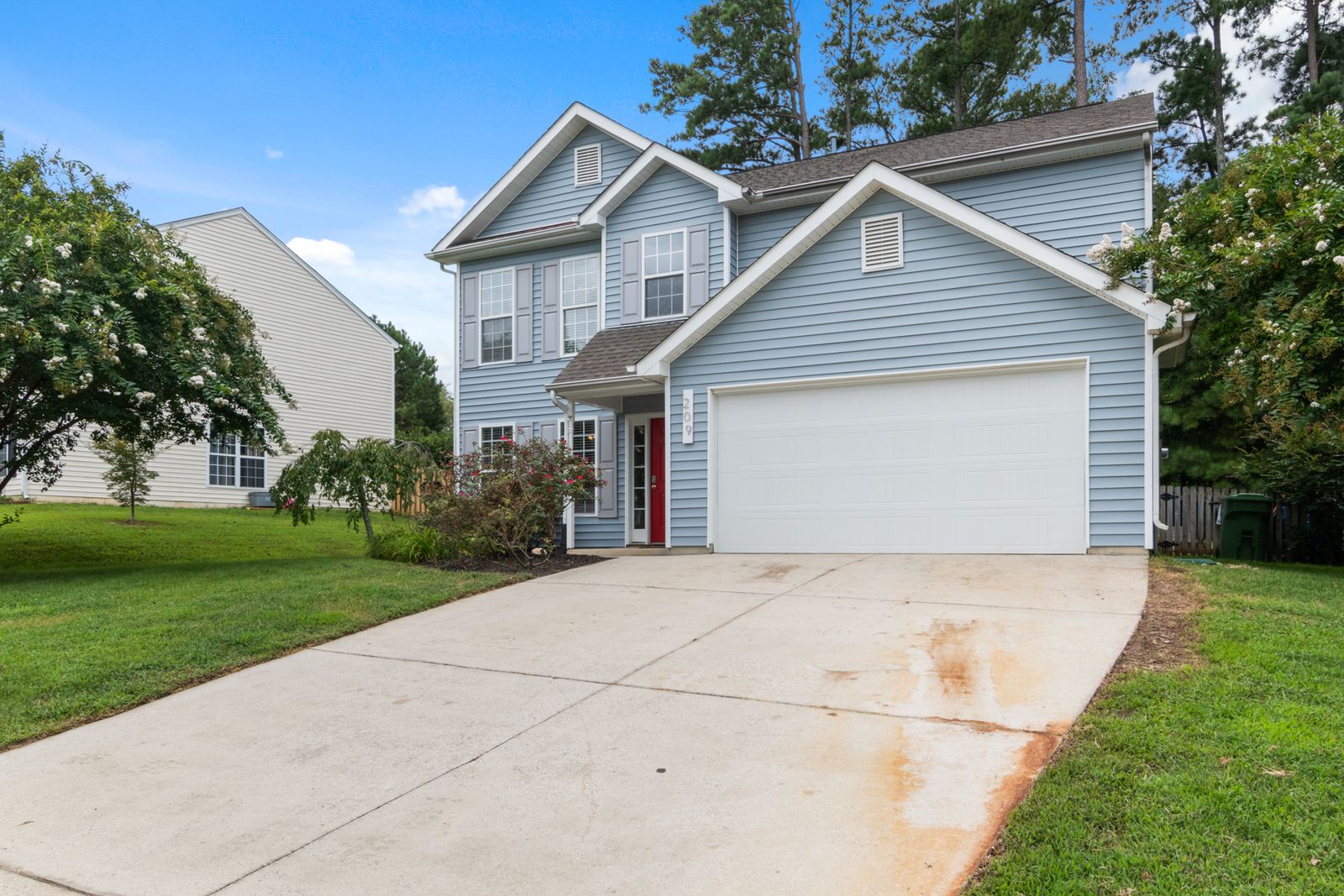
If publishing SEO content consistently sounds like more work than a painting crew owner has time for, that is exactly the gap RankOnRepeat was built to fill. Flat monthly fee, daily articles published to your site, keyword research and writing handled for you — see how the service works if you want the door to your local market open before your competitors figure it out.
References
- BrightLocal — Local Search Ranking Factors Study — annual analysis of which signals drive Google Business Profile and local pack rankings.
- Google Search Central Blog — Google’s own guidance on relevance, prominence, and content freshness as ranking signals.
- Ahrefs — Keyword Difficulty Methodology — how the keyword difficulty score is calculated and what scores under 15 mean for local terms.
- Home Improvement Research Institute — 2024 cost-per-acquired-customer benchmarks for paid lead platforms in the home services sector.
- Google — Creating Helpful, Reliable, People-First Content — official guidance on what Google’s helpful content system rewards.
Want content like this working for your business? RankOnRepeat writes, publishes, and manages your entire blog — keyword-targeted articles that attract clients and rank on Google, hands-free. Get started today → · Browse content samples
Published by the RankOnRepeat editorial team · Last updated: June 6, 2026 · How RankOnRepeat works