
Key Takeaways
- Fencing keywords are some of the cheapest to rank for in the entire trades world — most “fence company near me” variations sit at KD 0–6, well below plumbing or roofing.
- HomeAdvisor and Angi charge fencing contractors $35–$90 per shared lead, with most leads sent to three or four other contractors at the same time.
- The average residential fence project runs $3,000–$10,000, with vinyl and ornamental aluminum builds pushing $15,000–$30,000 — a single ranking page can pay for years of SEO.
- Most fence company websites have fewer than 8 pages and zero blog posts — meaning the bar to outrank local competitors is shockingly low.
- Spring quotes get booked in March, but Google rewards sites that published content in the previous fall and winter — the contractors winning the season started six months ago.
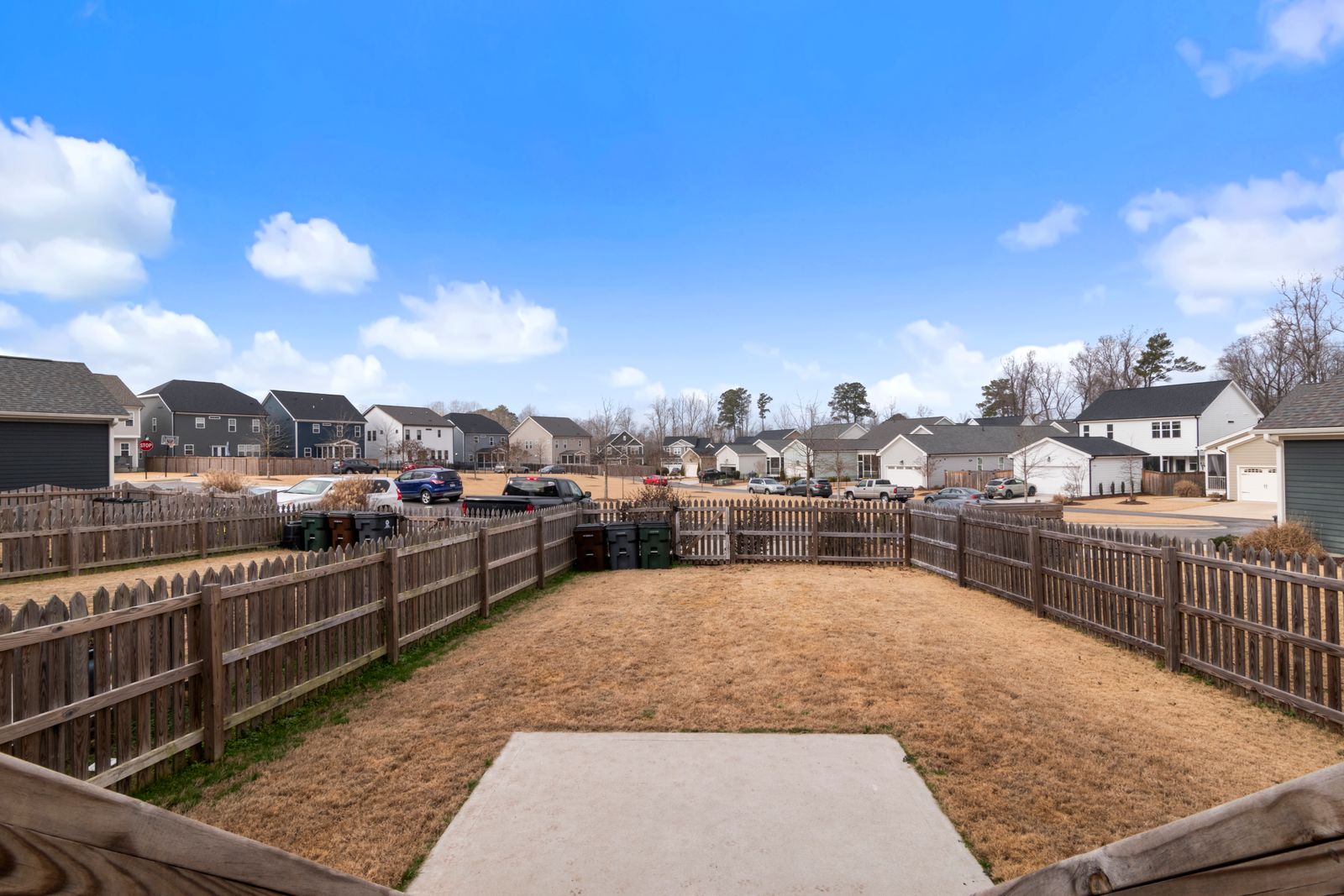
A homeowner in Frisco, Texas just typed “wood privacy fence installation near me” into Google. She has 280 feet of property line to fence, two dogs that keep digging under the old chain link, and a quote from one company already in her inbox at $9,400. She is going to call whoever shows up first on Google with photos, prices, and a reason to trust them. If your fence company isn’t in those first three results, you don’t exist to her — and she’s worth about $9,400.
The contractors filling their installer crews from June through October share one thing — they show up on page one of Google when someone in their service area searches for fencing, and they got there by publishing content while everyone else waited for the phone to ring.
Why Fencing Is the Easiest Trade to Rank For
Compare the keyword difficulty across major home services and a pattern jumps out fast. According to Ahrefs and Semrush data pulled in early 2026, “plumber near me” sits at KD 38 in most major US cities. “Roofing contractor” hovers around KD 32. But “fence installation near me” and “fence company [city]” routinely come in between KD 2 and KD 7 — meaning a few well-written pages with proper local optimization can crack the top three.
The reason is supply and demand on the publishing side, not the consumer side. Roofers and plumbers have been beaten into SEO by their state associations for a decade. Most fence companies still treat their website like a digital business card — a homepage, a couple of service pages, a contact form, and that’s it. BrightLocal’s 2025 Local Consumer Review Survey found that 87% of consumers used Google to evaluate a local business before contacting them, but fencing-specific search results are still dominated by directory listings and outdated state association pages.
That’s an open door. A fencing contractor publishing a single well-optimized page on “vinyl privacy fence cost in [city]” can outrank the entire competitive set in 60–90 days, because the competitive set isn’t actually competing.
What Fence Customers Actually Search For Before Calling
The mistake most contractors make is targeting the same five keywords every competitor targets: “fence company,” “fence installation,” and minor variations of each. Those terms have the most competition and the worst conversion rates because the people searching them are at the very top of the funnel — comparing options, gathering ideas, not ready to call anyone.
The high-intent searches look different. A homeowner who is actually ready to spend money searches with specifics: the material, the height, the property line, the situation. The contractors winning these searches publish pages that match exactly that level of specificity.
Some examples of low-competition, high-intent fencing searches that almost no local company is targeting:
- “How much does a 6 foot wood privacy fence cost in [city]”
- “Vinyl vs wood fence pros and cons”
- “Pool fence requirements [state]”
- “Fence permit [city]” — surprisingly competitive in some metros, surprisingly empty in others
- “Best fence for big dogs”
- “How long does aluminum fence installation take”
- “Replace chain link with wood fence cost”
- “HOA approved fence styles [city]”
Each of these gets between 40 and 500 monthly searches in a typical mid-sized US metro. None of them have a dedicated page from a local fence company. The contractor who publishes the first decent answer wins ranking for years.
The Local Pages You Need (And Why Most Companies Skip Them)
A serious fencing SEO strategy needs three layers of content, and most companies only build the first one. The top layer is service pages — wood fence installation, vinyl fence installation, aluminum fence installation, chain link, pool fencing, commercial fencing. Build one focused page per service, not a single “Services” page that mentions all of them.
The second layer is location pages. If you serve 12 cities or zip codes, you need 12 pages — one for each. Not a single “Service Area” page with a bulleted list. Each location page should reference local landmarks, recent jobs, permit information specific to that municipality, and at least 600 words of unique content. This is where 90% of fence companies fail. They list their cities on a single page and wonder why they only rank in the one their office is physically in.
The third layer — and this is the one almost no fence contractor is doing — is informational blog content. Cost guides, material comparisons, permit explainers, HOA navigation, pet-safety guides. These articles bring in the homeowners who are researching three to six months before they buy, which means by the time they’re ready to call, your company is already familiar. The same playbook works for any local trade — concrete contractors use it for driveway and patio leads, and the mechanics translate directly to fencing.
Google Business Profile: The Free Asset Most Fence Companies Underuse
Your Google Business Profile (formerly Google My Business) is doing more work for your visibility than any other free tool on the internet. HubSpot’s local SEO research found that 76% of people who search for a local business on their phone visit one within 24 hours, and 28% of those searches result in a purchase. The map pack — those three local listings that appear above the organic results — is where most of that traffic goes.
Yet most fence companies treat their profile like a one-time setup. Address, phone, website, done. The companies dominating the map pack are doing things their competitors aren’t:
- Posting photos every single week — not just the finished fence, but the crew, the materials, the trucks, the permit pulls, the dumpster pickup
- Adding services with full descriptions instead of single-word labels
- Responding to every review within 24 hours, including the bad ones
- Publishing Google Posts weekly with seasonal offers, project highlights, or short tips
- Asking for a review at the exact moment of cash transfer — not three weeks later via email
The reviews matter more than most contractors realize. Google’s local algorithm weights review velocity (how often you get reviews), recency (when the last one came in), and response rate (whether you reply). A profile with 47 reviews and the most recent one from 11 months ago will lose to a profile with 23 reviews and a new one from last Tuesday. Every single time.
Why Angi and HomeAdvisor Are a Worse Deal Than Most Contractors Think
The math on shared-lead platforms is brutal once you actually run it. HomeAdvisor and Angi charge fencing contractors $35 to $90 per lead, and the typical lead is sent to four contractors simultaneously. So even at a generous 30% close rate — which is high for shared leads — you’re looking at roughly $150 in lead cost per acquired customer, plus the time burned chasing the 70% who went with someone else.
The truth is, most fence contractors who pay Angi aren’t saving money. They’re just renting customers from a platform that owns the relationship. The day Angi raises prices or sells their list to a national competitor, those leads dry up. SEO is the opposite. A ranking page you own keeps producing leads year after year for the cost of the original work. The full cost comparison between SEO and Angi leads is uglier than most contractors want to admit.
One real example from the fence industry: a Houston-based fence company we’ve watched publishes one blog post per week and now ranks #1 for “fence installation Houston” and 14 other variations. They estimate organic Google traffic generates roughly 60% of their annual revenue. They still spend on Angi, but only as overflow when their installer schedule has gaps. The relationship has flipped — Google is the primary channel, and the lead-gen platform is the fallback.

The Content Calendar That Fills a Fence Company’s Pipeline
Seasonality matters more in fencing than almost any other trade. Spring quotes get requested in late February and March; installs happen April through July; the slow period runs November through January. Most contractors do nothing during the slow months and then panic-spend on Google Ads in March when they realize the schedule is empty.
The fix is publishing in the off-season for the on-season. A blog post titled “How Much Does a Wood Privacy Fence Cost in Atlanta in 2026” published in October will start ranking around January. By the time spring quote requests roll in, that page is already on page one capturing traffic. The contractor who published it in October is the one whose schedule is full by May.
A reasonable publishing rhythm for a fencing company in a single metro looks like this. Three or four cost-focused pages per material (wood, vinyl, aluminum, chain link) — about 12 cornerstone articles. One location page per city served — typically 8 to 20 pages. Then one ongoing informational post per week covering things like “best fence for sloped yards,” “how to handle a neighbor refusing to share fence cost,” or “what to do when your HOA rejects your fence design.” Pillar pages with topic clusters branching off them are how small business blogs build long-term Google authority — here’s how that structure actually works for service businesses.
The volume isn’t the magic. The consistency is. Google rewards sites that publish regularly because regularity signals an active business with active expertise. A site that posts twice in January and then goes silent until June looks abandoned, and Google ranks abandoned sites lower than active ones.
Local SEO Signals That Move the Needle
Beyond Google Business Profile, a few specific on-page elements tilt the algorithm meaningfully in favor of fence companies that bother with them. Schema markup — specifically LocalBusiness and Service schema from Google’s Search Central documentation — tells Google what you do and where, in a structured format that humans don’t see but rankings respond to. Most fence company websites have zero schema. Adding it is a one-time job that pays out for years.
NAP consistency (name, address, phone) across every directory listing is the second free win. If your business is “Smith Fence Co.” on Google but “Smith Fencing” on Yelp and “Smith Fence Company” on Houzz, Google’s local algorithm interprets that as three separate businesses and dilutes the trust score on all of them. Run an audit, pick one canonical name, and fix it everywhere.
Backlinks from local sources — your chamber of commerce, regional home improvement directories, partnerships with landscapers or pool builders, sponsorships of local youth sports — all carry far more weight than backlinks from generic SEO directories. The same kind of strategy works for adjacent outdoor trades — landscapers fill their schedules using the same local SEO playbook, and many of them are natural cross-referral partners.

What This Looks Like at 6 Months and 12 Months
Fence contractors who start serious SEO work in fall of one year see meaningful traffic by spring of the next. By month 6, well-built service and location pages should be ranking on pages 1 or 2 for primary keywords in their immediate service area. By month 12, the content layer is producing inbound leads at a steady pace, and the Google Business Profile is generating direct phone calls without paid promotion.
For context, real client sites managed through RankOnRepeat — like a retro pop culture site that grew 369% in 30 days after launching a daily publishing schedule — show that consistent content velocity, not budget size, is the lever that moves the needle. The exact same dynamic plays out in trades. Fence companies that publish weekly outpace fence companies that publish quarterly, even when the quarterly publisher has a bigger budget.
If publishing weekly SEO content sounds like too much work on top of running an installer crew, RankOnRepeat handles everything — keyword research, writing, publishing, internal linking — for a flat monthly fee that costs less than a single Angi lead at peak season. See exactly how the process works, including what gets delivered each week.
Frequently Asked Questions
How long does it take a fence company website to start ranking on Google?
Most fence companies see meaningful local ranking improvements between 90 and 180 days after starting consistent SEO work. Service and location pages tend to rank faster than blog content. The biggest gains come in months 6 through 12 once Google has indexed and re-crawled enough pages to recognize topical authority.
Is SEO better than Google Ads for a fence company?
Google Ads delivers leads on day one but stops the moment you stop paying, with average fencing CPCs running $8–$22 per click. SEO takes 3–6 months to produce real traffic but keeps producing it for years. Most established fence companies run both — ads for immediate cash flow, SEO for long-term lead independence.
How many pages should my fence company website have?
At minimum, one page per service (wood, vinyl, aluminum, chain link, pool fencing, commercial), one page per city served, and one blog post per week. For a contractor serving 8 cities, that’s roughly 14 cornerstone pages plus an ongoing blog. Most fence company websites today have fewer than 10 pages total.
Do online reviews really affect my Google ranking?
Yes, and more than most contractors realize. Google’s local algorithm weights review count, recency, and your response rate to reviews. A fence company with 30 recent reviews and replies to all of them will usually outrank one with 100 reviews from three years ago. Asking every paying customer for a review the day the job finishes is the single highest-ROI activity in local SEO.
References
- BrightLocal Local Consumer Review Survey 2025 — Data showing 87% of consumers use Google to evaluate local businesses before contacting them.
- HubSpot Local SEO Statistics — Mobile local-search behavior data, including the 76% of mobile searchers who visit a business within 24 hours.
- Google Search Central — LocalBusiness Structured Data — Google’s official documentation on schema markup for local businesses, including fence contractors.
- Ahrefs Local SEO Guide — Keyword difficulty data and on-page optimization guidance for local service businesses.
- Semrush Local SEO Insights — Industry benchmarks for trade and home services search volumes and competitive analysis.
Want content like this working for your business? RankOnRepeat writes, publishes, and manages your entire blog — keyword-targeted articles that attract clients and rank on Google, hands-free. Get started today → · Browse content samples
Published by the RankOnRepeat editorial team · Last updated: June 23, 2026 · How RankOnRepeat works