Key Takeaways
- HVAC is one of the cheapest trades to rank for — keywords like “furnace repair [city]” sit at keyword difficulty 0–5, far below “personal injury lawyer.”
- Lead platforms sell the same call to four contractors — a $75 Angi lead becomes a $300 acquisition cost once three competitors call the homeowner first.
- Your Google Business Profile drives roughly half your local visibility — categories, reviews, and service pages do most of the heavy lifting.
- Seasonal content has to ship early — publish AC pages in March, furnace pages in September, or you miss the search wave entirely.
- Most HVAC SEO “failures” quit at month three — the channel compounds right when impatient owners pull the plug.
A furnace replacement runs $4,500 to $7,500 installed, and an AC changeout isn’t far behind. An HVAC company that books four of those a month from Google — on top of its everyday repair calls — has built a six-figure lead channel it doesn’t rent from anyone. That’s the part most contractors miss. They treat their website as a brochure and hand their lead generation to Angi, Thumbtack, and Google Ads, paying every single month for calls a blog could have earned them for free.
HVAC is, quietly, one of the friendliest trades for organic search. The competition online is thinner than the competition in your service area, the buyer intent is sky-high, and the search terms are specific enough that a small company can outrank national directories. Here’s how that works, and what it takes.
Why HVAC Is One of the Easiest Trades to Rank For
HVAC keywords are cheap to rank for because the search terms are local and specific, the commercial intent is unambiguous, and most competitors have neglected their websites for years. A homeowner typing “AC not cooling [city]” is minutes from booking — and your three nearest competitors probably haven’t published a blog post since 2022.
Compare the difficulty. Ranking for “personal injury lawyer” means fighting firms with five-figure monthly SEO budgets. Ranking for “furnace short cycling fix [your town]” means competing against a handful of local shops, most of which have a single-page website and no content at all. Ahrefs routinely scores these long-tail trade queries at keyword difficulty 0 to 5 — the low end of the scale. The same dynamic shows up across the trades, which is why we keep pointing contractors toward it in guides like our breakdown of SEO for electricians and how plumbers win emergency calls without Angi.
The other piece working in your favor: search volume in HVAC is enormous and predictable. Every summer, “air conditioner repair near me” spikes. Every fall, furnace queries take off. You’re not trying to manufacture demand — it shows up on a schedule. You just have to be the page Google trusts when it does.
The Real Math on HVAC Leads: Angi vs. Google vs. Your Own Site
A shared lead on Angi or Thumbtack typically costs an HVAC contractor $50 to $100, and the platform sells that same homeowner’s information to three or four companies at once. Do the arithmetic: if you pay $75 for a lead and you’re one of four contractors racing to call back, your effective cost per won job climbs toward $300 before you’ve quoted a price.
Google Ads looks cleaner until you see the click prices. “AC repair” and “HVAC installation” are among the more expensive home-services keywords in paid search, and you pay for every click whether or not the person ever calls. The moment you stop funding the campaign, the calls stop the same day. It’s rent, not equity.
Organic search flips the model. A blog post that ranks for “how much does a new furnace cost in [city]” keeps pulling visitors month after month for the price of writing it once. The truth is, most HVAC companies that say they “tried everything” never actually owned a lead channel — they just rented three different ones at the same time. We laid out the full cost comparison in SEO vs. Angi leads, and the gap only widens the longer you run the numbers.
Your Google Business Profile Does Half the Work
For local HVAC search, your Google Business Profile carries roughly half your visibility in the map pack. BrightLocal’s research on local ranking factors consistently puts profile signals — primary category, reviews, proximity, and completeness — at the top of what moves you into the top three map results. Fill out every field, and don’t guess on the category.
Set your primary category to HVAC contractor, then stack secondary categories that match real services: air conditioning repair service, furnace repair service, heating contractor, heat pump supplier. Google leans on these to decide which searches you’re eligible for. A profile that only says “contractor” leaves money on the table every time someone searches “AC repair.”
Reviews are the other lever. BrightLocal’s Local Consumer Review Survey has found that the overwhelming majority of consumers read online reviews before choosing a local business, and Google folds review velocity and ratings into its local ranking system. Ask every satisfied customer, respond to all of them, and aim for a steady trickle rather than a one-time pile. Your website and your profile feed each other — strong service pages give Google more reason to trust the profile, and vice versa.
The Blog Posts That Actually Bring Service Calls
The HVAC content that earns phone calls answers the exact questions homeowners type before they buy — pricing, symptoms, and “should I repair or replace.” A page titled “Why Is My AC Blowing Warm Air? 6 Common Causes” catches someone mid-panic in July, and the call-to-answer distance is short. Generic “10 Tips for Home Comfort” posts catch nobody.
Three buckets do the heavy lifting. Cost pages (“how much does AC installation cost in [city]”) pull people with real budgets. Symptom pages (“furnace blowing cold air,” “AC freezing up,” “thermostat not responding”) pull urgent searchers. And repair-or-replace pages catch homeowners at the exact fork where a $6,000 decision gets made. Each one is a quiet salesperson that works the night shift.
This is also where consistency beats brilliance. One great post won’t move much; thirty solid ones covering every symptom and every city you serve builds a web of pages Google starts to treat as the local authority. A BJJ gym we publish for, a martial arts gym in Taipei that went from zero to 1,178 monthly visitors on daily SEO content, is proof the same volume-and-consistency formula works far outside the trades — the niche changes, the math doesn’t.
Seasonality Is Your Unfair Advantage
HVAC demand runs on a calendar, which means your content has to ship months before the search wave hits. Google needs time to crawl, index, and trust a new page — usually weeks. Publish your “AC won’t turn on” guide in late June and you’ve already missed the first heatwave. Publish it in March and you’re ranked and waiting when temperatures climb.
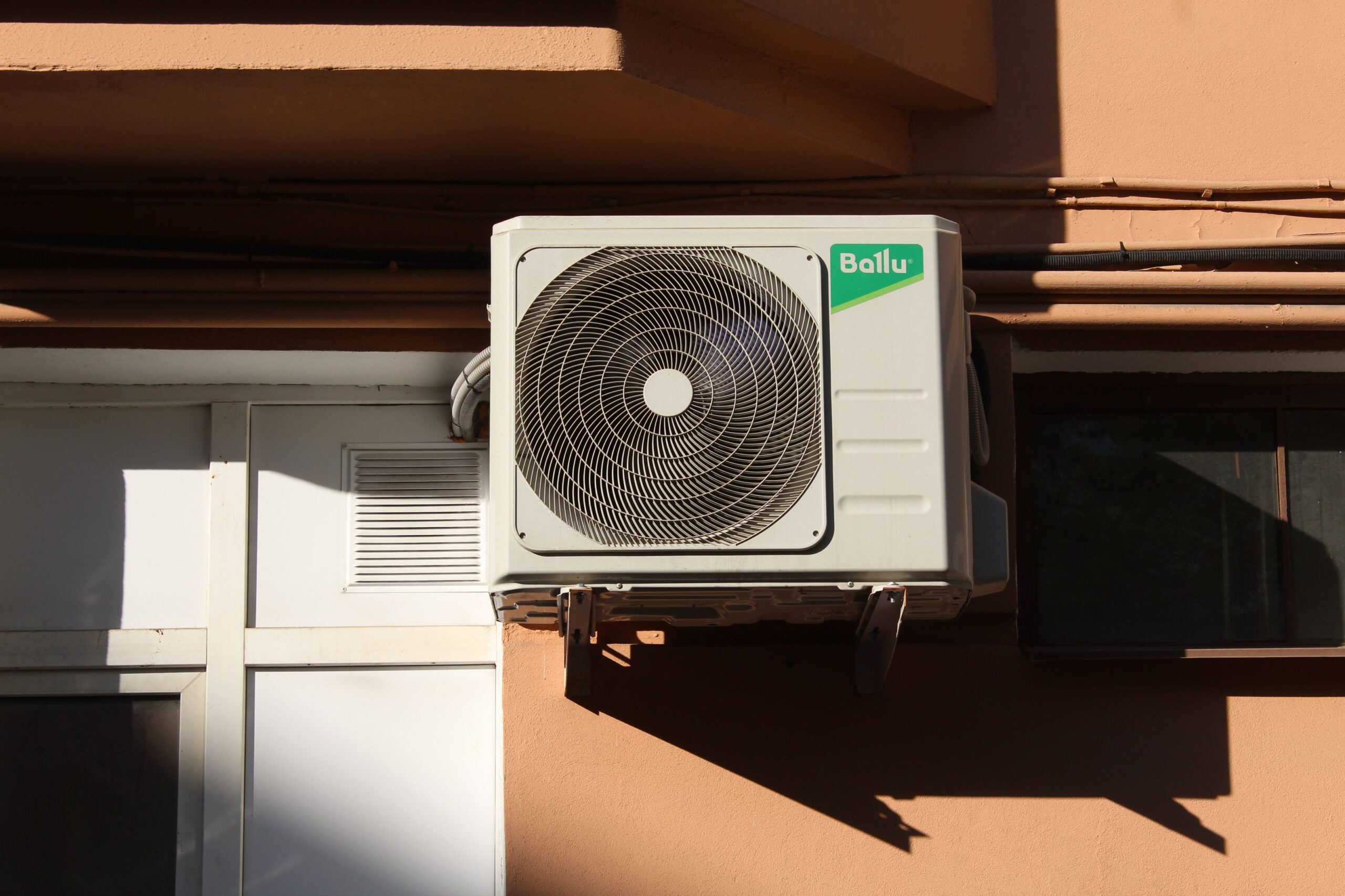
Build a two-season calendar and work ahead of it. Cooling content — AC repair, refrigerant, condenser issues, installation cost — should be live by early spring. Heating content — furnace repair, heat pumps, no-heat emergencies, filter guides — should be up by late summer. The companies that win the August rush wrote those pages in May, while their competitors were busy and ignoring the website entirely.
The bonus is that evergreen HVAC pages don’t expire. A well-built “furnace repair cost” guide keeps ranking and earning calls every winter for years, with the occasional refresh. You’re not on a content treadmill — you’re stacking assets that pay out every season.
How Long Before HVAC SEO Pays Off
Most HVAC companies see meaningful organic movement in three to six months, with full traction usually landing between six and twelve. Google Business Profile wins can show up faster — sometimes within weeks — but ranking blog content for competitive local terms takes a steady run of publishing before it compounds.
The curve isn’t linear, and that trips people up. Months one and two look flat. Around month three, a few long-tail pages start ranking and the first organic calls trickle in. By month six, the web of content has enough authority that new posts rank faster, and by month twelve the channel is producing calls on autopilot. If you want a realistic, month-by-month picture, we mapped it in our honest timeline on how long it takes to rank on Google.
Why Most HVAC Companies Quit Right Before It Works
The single biggest reason HVAC SEO “doesn’t work” is that owners stop publishing at month three — exactly when the channel is about to turn. They post six articles in the first two weeks, see no calls, decide it’s a scam, and go back to buying $75 shared leads. The content they abandoned would have ranked a few weeks later.
SEO is a frequency game, not a sprint. A site that publishes consistently signals to Google that it’s an active, maintained authority worth ranking; a site that dumps ten posts and goes silent looks abandoned. Consistent publishing is the whole edge — and it’s also the part busy contractors can’t sustain themselves, because they’re on a roof at 2 PM, not at a keyboard. That gap is exactly why the companies that outsource the writing tend to be the ones still ranking a year later.
Frequently Asked Questions
How much does SEO cost for an HVAC company?
Most HVAC contractors invest somewhere between $500 and $2,500 a month, depending on whether they hire an agency, a freelancer, or a content subscription. The cheaper end usually covers consistent blog content and on-page work, while the higher end adds technical SEO, link building, and local citation management.
Is SEO better than Google Ads for HVAC contractors?
They do different jobs. Google Ads buys calls instantly but stops the moment you stop paying, while SEO takes a few months to build and then keeps producing calls for the cost of maintenance. Most successful HVAC companies run ads during peak season and build SEO as the long-term, lower-cost channel underneath.
How many blog posts does an HVAC website need to rank?
There’s no magic number, but momentum usually starts around 20 to 30 well-targeted posts covering your core services, common symptoms, and the cities you serve. Volume and consistency matter more than any single post — a steady publishing rhythm beats an occasional long article.
Will AI-written HVAC content rank on Google?
Yes, when it’s genuinely useful, accurate, and edited by someone who knows the trade. Google’s guidance targets low-effort spam, not the method of production. Content that answers a homeowner’s real question well ranks regardless of how the first draft was created.
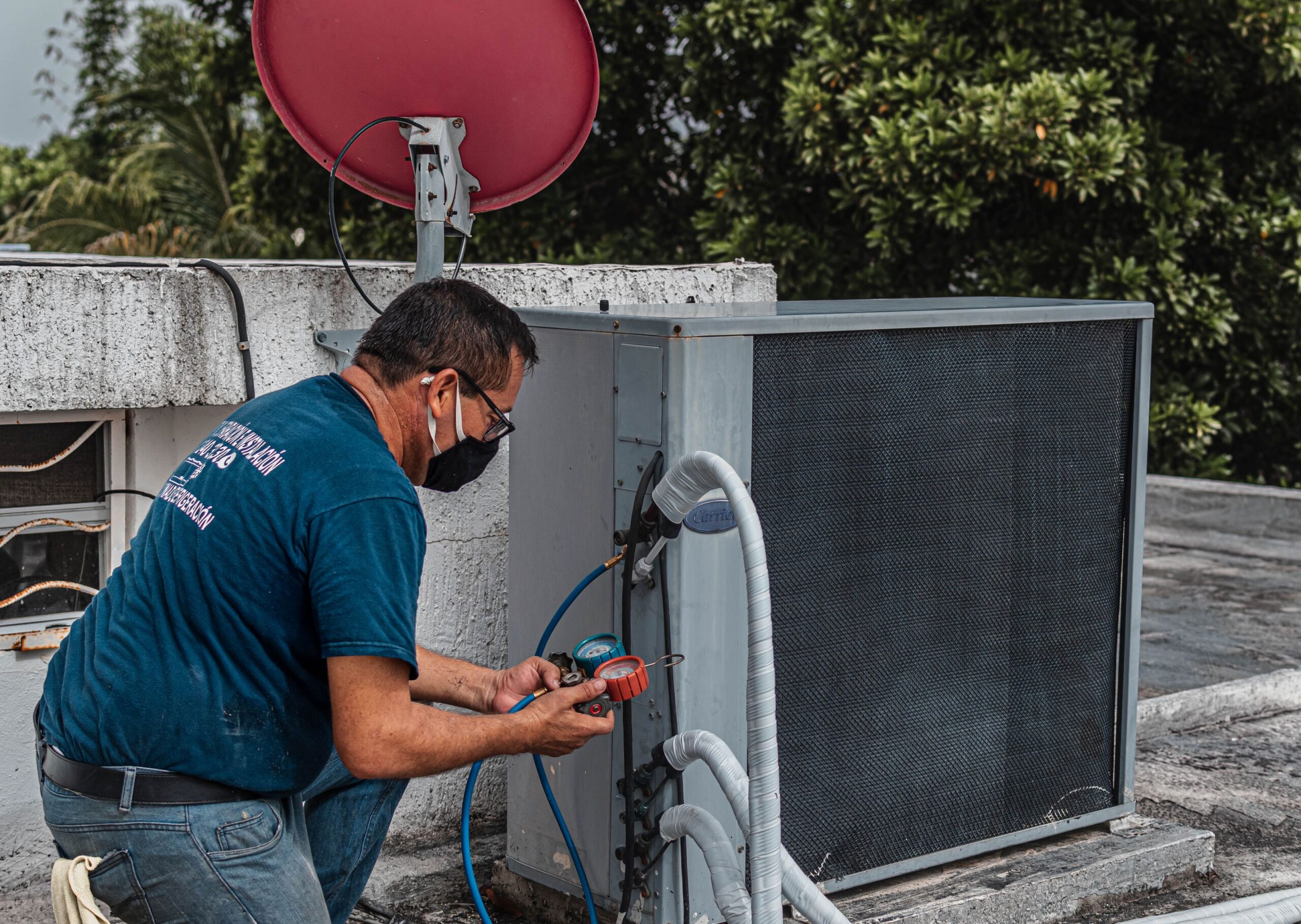
If publishing SEO content consistently sounds like too much work to do between service calls, RankOnRepeat handles the whole thing — keyword research, writing, and publishing — for a flat monthly fee. You stay on the roof; the content channel fills the schedule.
References
- Google Search Central — guidance on creating helpful, people-first content and how Google evaluates quality.
- BrightLocal Local Consumer Review Survey — data on how consumers read and rely on online reviews for local businesses.
- BrightLocal Local Search Ranking Factors — analysis of which signals drive Google Business Profile and map-pack rankings.
- ServiceTitan — HVAC SEO Guide — industry data on HVAC search behavior, timelines, and lead costs.
- Housecall Pro — HVAC SEO Tips — practical local SEO benchmarks for home-services contractors.
Want content like this working for your business? RankOnRepeat writes, publishes, and manages your entire blog — keyword-targeted articles that attract clients and rank on Google, hands-free. Get started today → · Browse content samples
Published by the RankOnRepeat editorial team · Last updated: June 24, 2026 · How RankOnRepeat works