
- Cosmetic surgery is one of the most expensive niches to advertise in — clicks on terms like “rhinoplasty cost” and “plastic surgeon near me” run $9 to $18 in competitive metros, and a single consult booked through ads can cost hundreds.
- A blog is an asset that keeps working after you stop paying. An article ranking for “how much does a tummy tuck cost” pulls consults every month for years; the day you pause Google Ads, the phone stops.
- Google holds medical content to a higher standard (its “Your Money or Your Life” rules), which actually favors board-certified surgeons over anonymous med-spa marketers.
- Bottom-funnel topics book the most consults — cost, recovery time, “am I a candidate,” and before-and-after expectations, not generic “benefits of plastic surgery” fluff.
- Consistency is the whole game. One post a week for a year is the difference between a blog nobody finds and a page-one presence for dozens of procedures.
Table of Contents
- Why Plastic Surgeons Pay More Per Click Than Almost Anyone
- What Your Future Patients Actually Type Into Google
- The Content That Turns a Search Into a Booked Consult
- Why Google Trusts a Board-Certified Surgeon’s Blog
- How Often You Need to Publish to See Movement
- What It Looks Like When the Blog Is Working
- Frequently Asked Questions
A single click on “plastic surgeon near me” can cost you $18 on Google Ads, and you’ll pay it whether that person books a rhinoplasty or bounces in four seconds. Cosmetic surgery sits in the most expensive corner of digital advertising because the procedures are worth thousands and every practice in the city is bidding for the same handful of high-intent searches. Most surgeons respond by pouring more money into ads. The smarter ones build something ads can’t give them: a library of articles that answers the exact questions patients ask before they pick up the phone — and keeps ranking long after the ad budget runs dry.
Why Plastic Surgeons Pay More Per Click Than Almost Anyone
The math on cosmetic surgery advertising is brutal. Because a breast augmentation or mommy makeover can run $8,000 to $15,000, clinics bid aggressively, and Google’s auction rewards the deepest pockets. Healthcare and cosmetic keywords routinely land among the priciest categories in paid search, with competitive procedure-plus-city terms crossing into double digits per click. Pay $14 a click, convert one in fifty visitors into a consult, and you’re spending $700 in ad money before anyone sits in your waiting room.
Blogging flips that cost structure. You pay once to publish an article about, say, “what to expect during rhinoplasty recovery,” and it can rank for years — pulling in searchers every single month at no additional cost per visitor. Americans spent more than $11 billion on aesthetic procedures in 2022, according to the American Society of Plastic Surgeons, and a growing share of those buyers start with a Google search, not an ad. The surgeons capturing that traffic organically aren’t paying $14 a head for it.
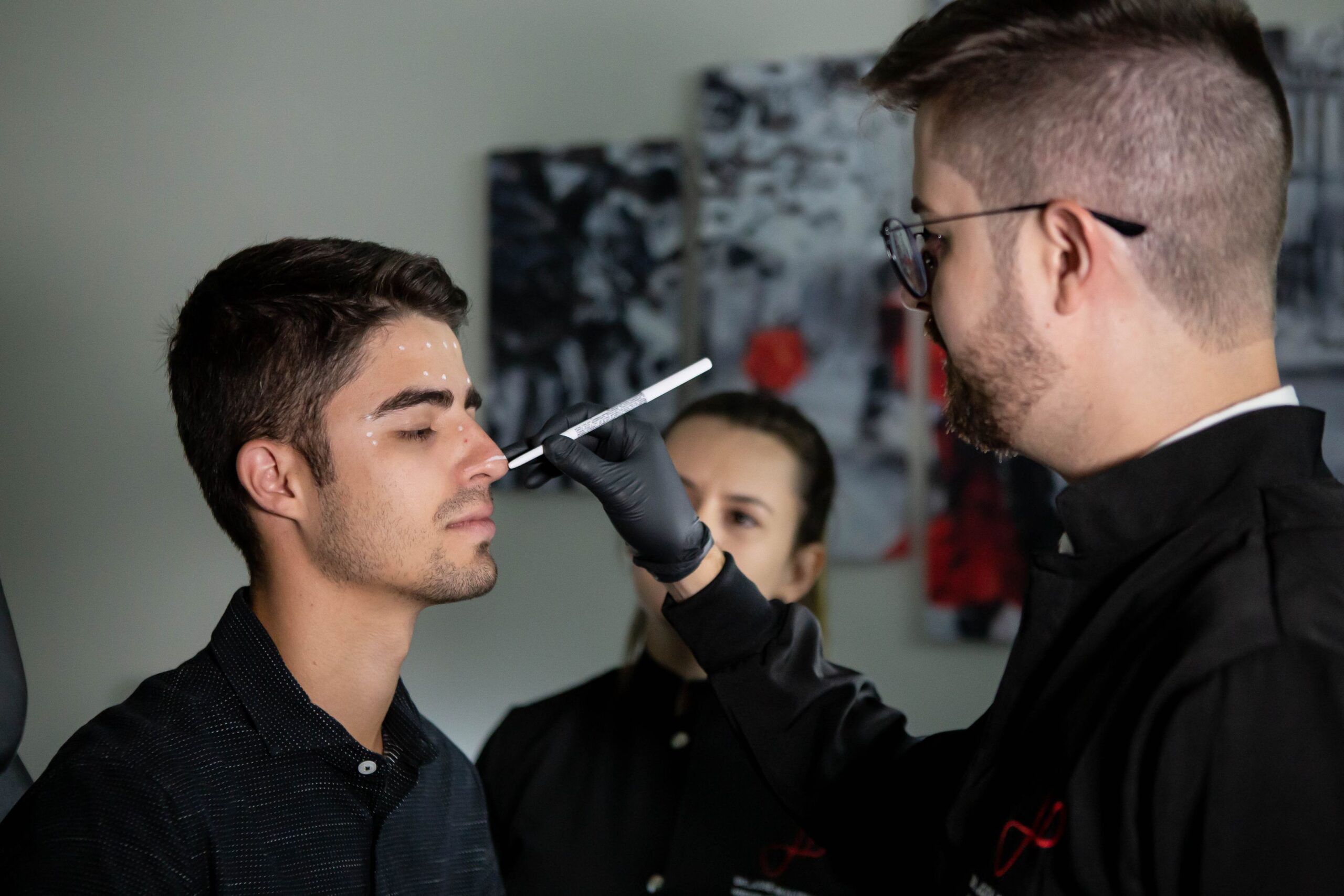
The truth is, most practices that lean entirely on paid ads aren’t saving time — they’re renting their patient flow. Stop the spend and the pipeline empties overnight. A blog is the one marketing asset you actually own.
What Your Future Patients Actually Type Into Google
People considering surgery don’t search the way you’d expect. They rarely type “board-certified plastic surgeon” first. They type their anxieties: “how painful is a tummy tuck recovery,” “how long before I can drive after rhinoplasty,” “mommy makeover cost financing,” “is 55 too old for a facelift.” These long-tail searches have lower competition than the head terms, and they signal someone much closer to booking than a person idly Googling “plastic surgery.”
Here’s the part most surgeons miss: the person asking “how much does liposuction cost near me” is worth more than someone searching a generic term, because their question reveals intent, budget concern, and location all at once. Answer it well and you’ve earned trust before the consult even happens. A practical way to see what your market is actually asking is to open Google, start typing a procedure, and read the autocomplete suggestions — that’s a free, real-time keyword list straight from searcher behavior.

Group those questions by procedure — rhinoplasty, breast augmentation, tummy tuck, facelift, liposuction — and each becomes a small content cluster. One strong article per question, interlinked, tells Google you’re the authority on that procedure in your area.
The Content That Turns a Search Into a Booked Consult
Not all blog posts pull their weight. A generic “5 Benefits of Cosmetic Surgery” piece attracts nobody with a credit card ready. The articles that book consults sit at the bottom of the funnel, where the reader is deciding who to trust, not whether to have the procedure.
Four content types do the heavy lifting. Cost breakdowns (“How Much Does a Mommy Makeover Cost in [City]?”) capture people ready to spend but nervous about price. Recovery timelines reassure the fence-sitters who fear downtime more than the surgery itself. “Am I a candidate?” guides qualify readers and pull in the exact patients you want. And procedure comparisons (“Liposuction vs. Tummy Tuck: Which Is Right for You?”) catch people mid-decision who need a professional to break the tie.

Each of those articles should end with a soft, specific invitation to book a consult — not a hard sell, just the natural next step for someone who’s read 1,200 words and now trusts your judgment. This is the same playbook that works for dermatologists pulling cosmetic and medical patients from Google and for med spas booking Botox and filler patients — high-value aesthetic practices win by answering the money questions first.
Why Google Trusts a Board-Certified Surgeon’s Blog
Cosmetic surgery is what Google classifies as “Your Money or Your Life” content — pages that can affect a person’s health, safety, or finances. Google’s Search Quality Rater Guidelines hold this content to a far higher bar for expertise and trust, which sounds like a hurdle but is actually your biggest advantage. An anonymous marketing agency churning out AI slop can’t fake real surgical credentials. You can.
When a board-certified surgeon writes (or reviews and bylines) an article about rhinoplasty, and that content lives on a site with real credentials, genuine before-and-after galleries, and patient reviews, Google reads every one of those signals as first-hand expertise. That’s the “E-E-A-T” framework — Experience, Expertise, Authoritativeness, Trust — and medical practices with real doctors behind the content clear that bar in a way generic content mills never will.
The practical move: attach a real author byline to every post, link it to a full bio page listing board certification and training, and have the surgeon add one or two sentences of genuine clinical perspective to each article. That small touch is invisible to patients and enormously valuable to Google.

How Often You Need to Publish to See Movement
One article won’t move the needle. Ranking is a game of coverage and consistency — Google wants to see a site that keeps producing relevant, expert content, not one that posts twice and goes quiet. For a plastic surgery practice, one well-researched post per week is the sweet spot: enough to build topical authority across your core procedures within a few months, without sacrificing the quality that YMYL content demands.
Expect a realistic timeline. New articles on a young blog typically take three to six months to climb into competitive positions, and cosmetic surgery is competitive. The practices that win are the ones still publishing in month eight while their competitors quit in month two. The real cost of SEO for a small business is almost always cheaper than a comparable ad budget over that same stretch — and unlike ads, the articles keep compounding.

If publishing a strong, medically sound article every week sounds like a job you don’t have time for, that’s exactly the gap a service like RankOnRepeat fills — keyword research, writing, and publishing handled on a flat monthly fee, so the content ships whether or not you have a free evening.
What It Looks Like When the Blog Is Working
A working surgical blog is quiet. There’s no ad dashboard to babysit, no daily budget bleeding out. Instead, a steady stream of consult requests arrives with a note in the intake form: “I read your article on tummy tuck recovery.” Those patients show up pre-sold, less price-sensitive, and more loyal, because they chose you after reading your expertise — not after clicking the cheapest ad.
This isn’t theoretical. Consistent daily and weekly publishing is exactly how Taipei BJJ, a local service business managed through RankOnRepeat, grew from zero to over 1,100 monthly visitors — the same mechanics apply whether you’re filling a gym schedule or a surgical calendar. See how the process works and you’ll notice it’s built for exactly this: professionals who’d rather operate than write.
Frequently Asked Questions
How long before a plastic surgery blog starts bringing in consults?
Most practices see meaningful organic traffic within three to six months of consistent weekly publishing, with consult requests following as bottom-funnel articles (cost, recovery, candidacy) start ranking. Competitive metros take longer; the practices that stay consistent past month six pull ahead.
Is AI-written content safe for a medical practice?
It can rank well when a real, credentialed surgeon reviews and bylines it. Because cosmetic surgery is YMYL content, Google weighs genuine medical expertise heavily — so the winning formula is efficient writing plus real clinical oversight, not fully automated posts with no doctor involved.
How many blog posts does a plastic surgery practice need?
Enough to cover your core procedures and the top questions patients ask about each — usually 30 to 60 well-targeted articles to build real authority. Start with your highest-revenue procedures and expand one cluster at a time.
Is blogging cheaper than Google Ads for a surgeon?
Over any timeframe longer than a few months, yes. Ads stop delivering the moment you stop paying; a blog post keeps ranking and pulling consults for years after it’s published, making the cost per consult drop over time instead of staying fixed.
If publishing SEO content consistently sounds like too much work, RankOnRepeat handles everything — keyword research, writing, and publishing — for a flat monthly fee, so your practice builds a compounding library of patient-winning articles without pulling you out of the operating room.
References
- American Society of Plastic Surgeons — Plastic Surgery Statistics — national procedure volume and consumer spending on aesthetic procedures.
- Google Search Central — Creating Helpful, Reliable, People-First Content — Google’s E-E-A-T and helpful content guidance for ranking.
- BrightLocal — Local Consumer Review Survey — how consumers use online search to choose local businesses and services.
- Search Engine Journal — Google E-E-A-T and First-Hand Experience — why first-hand expertise matters for YMYL and medical content.
- WordStream — Google Ads Industry Benchmarks — cost-per-click benchmarks across healthcare and high-competition verticals.
Want content like this working for your business? RankOnRepeat writes, publishes, and manages your entire blog — keyword-targeted articles that attract clients and rank on Google, hands-free. Get started today → · Browse content samples
Published by the RankOnRepeat editorial team · Last updated: July 5, 2026 · How RankOnRepeat works