- Irrigation is a seasonal, high-ticket trade — a full system install runs $3,000–$8,000, which means even 2-3 organic leads a month can outperform a $400/month Angi budget.
- Angi and HomeAdvisor route landscaping-category leads to 3-8 competitors at once, and irrigation contractors report per-lead costs of $25-$55 before the close rate math even starts.
- Outdoor irrigation eats nearly 30% of household water use, and EPA WaterSense data gives you a built-in content angle — water savings — that most competitors never touch.
- 80% of consumers search for local businesses weekly, and 72% look at three or fewer options before calling — rank in that shortlist or you don’t exist to them.
- A handful of city-specific service pages plus a steady blog cadence is usually enough to out-rank irrigation companies that are still relying entirely on paid leads.
An irrigation contractor in Phoenix pays roughly $35 to $55 for a single shared lead on Angi — and that lead just got sent to three other companies at the same time. Multiply that by a 15% close rate and the real cost per booked install climbs past $300, sometimes past $1,000 once you count the annual membership fee and minimum ad spend. Meanwhile the guy down the street who wrote 40 blog posts about sprinkler winterization and drip line repair is booking jobs from Google for free.
Irrigation is one of the last home service trades where organic search is still wide open. Roofers, HVAC companies, and plumbers have been fighting over keywords for a decade. Sprinkler and irrigation contractors mostly haven’t shown up yet — which is exactly why this is the moment to start.
Why Irrigation Companies Are Still Underrepresented in Search
Most irrigation businesses run lean. A two- or three-truck operation doesn’t have a marketing department, so the default move is signing up for Angi, HomeAdvisor, or Thumbtack and hoping the leads convert. That’s a reasonable starting point for a brand-new business with zero online presence. It’s a bad long-term strategy for a company that wants to stop paying rent to a lead broker every single month.
The trade itself also has an unusual seasonality problem that most SEO advice doesn’t account for. Spring brings install and turn-on demand, summer brings repair calls when a zone stops working in July heat, and fall brings winterization and blowout jobs. A content calendar that ignores this cycle wastes half the year’s search volume.
What Homeowners Actually Search For Before They Call
Direct answer: homeowners searching for irrigation help are usually looking for either an emergency fix (a broken pipe, a zone that won’t shut off) or a seasonal service (spring startup, fall winterization) — and they decide who to call in under 30 minutes.
The keyword list for this trade splits cleanly into two buckets. Emergency and repair searches — “sprinkler valve stuck on,” “broken sprinkler pipe repair,” “irrigation system leaking” — carry high intent and almost no competition in most metro areas. Seasonal and installation searches — “sprinkler system installation cost,” “irrigation winterization near me,” “drip irrigation for flower beds” — carry more volume but reward a company that’s been publishing consistently, not one that shows up with three pages total.
Google Search Central has been explicit that helpful, specific content targeted at real search intent outranks thin, generic service pages, regardless of how new the domain is.[1] An irrigation company with 30 focused posts about actual homeowner problems will out-rank a competitor with a five-page website and a bigger ad budget.
Build City and Service Pages Before You Touch the Blog
The single highest-leverage move for a local irrigation business is a dedicated page for every city or suburb it services, each one built around that specific area rather than a copy-pasted template with the city name swapped out. A company covering six suburbs around a metro area needs six pages, not one page with a bulleted list of towns at the bottom.
Each city page should answer three things a homeowner is actually trying to figure out: does this company work in my neighborhood, what does a typical job cost around here, and can I see proof they’ve done this before. Include real project photos from jobs in that city if you have them, a short paragraph about local soil or water pressure quirks if relevant, and a clear call to action. This is the foundation BrightLocal’s local SEO research keeps pointing to — Google Business Profile signals, reviews, and geographically specific content are what separate businesses that rank locally from ones that don’t.[2]
Use the Water-Savings Angle Almost Nobody in This Trade Is Writing About
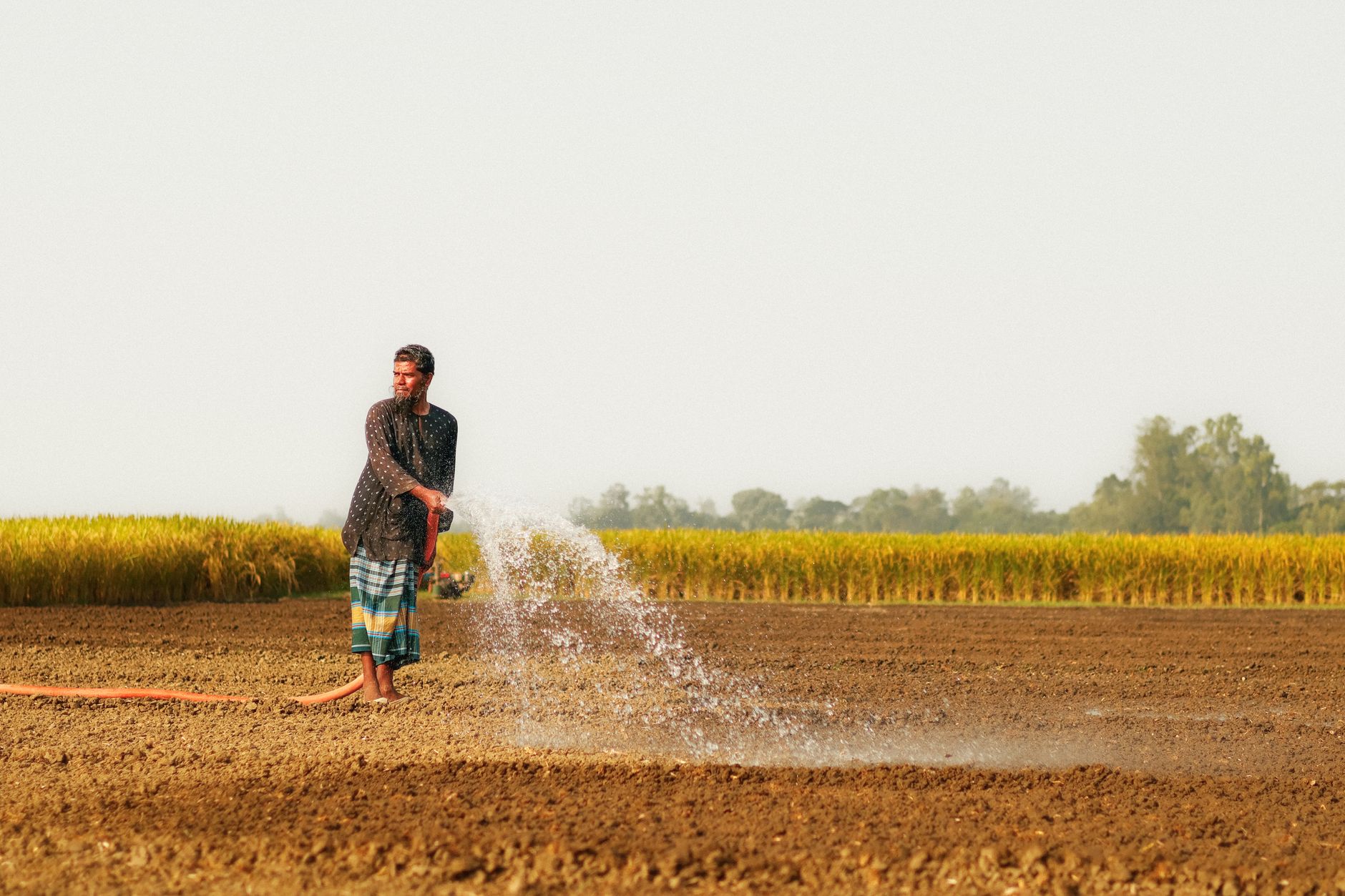
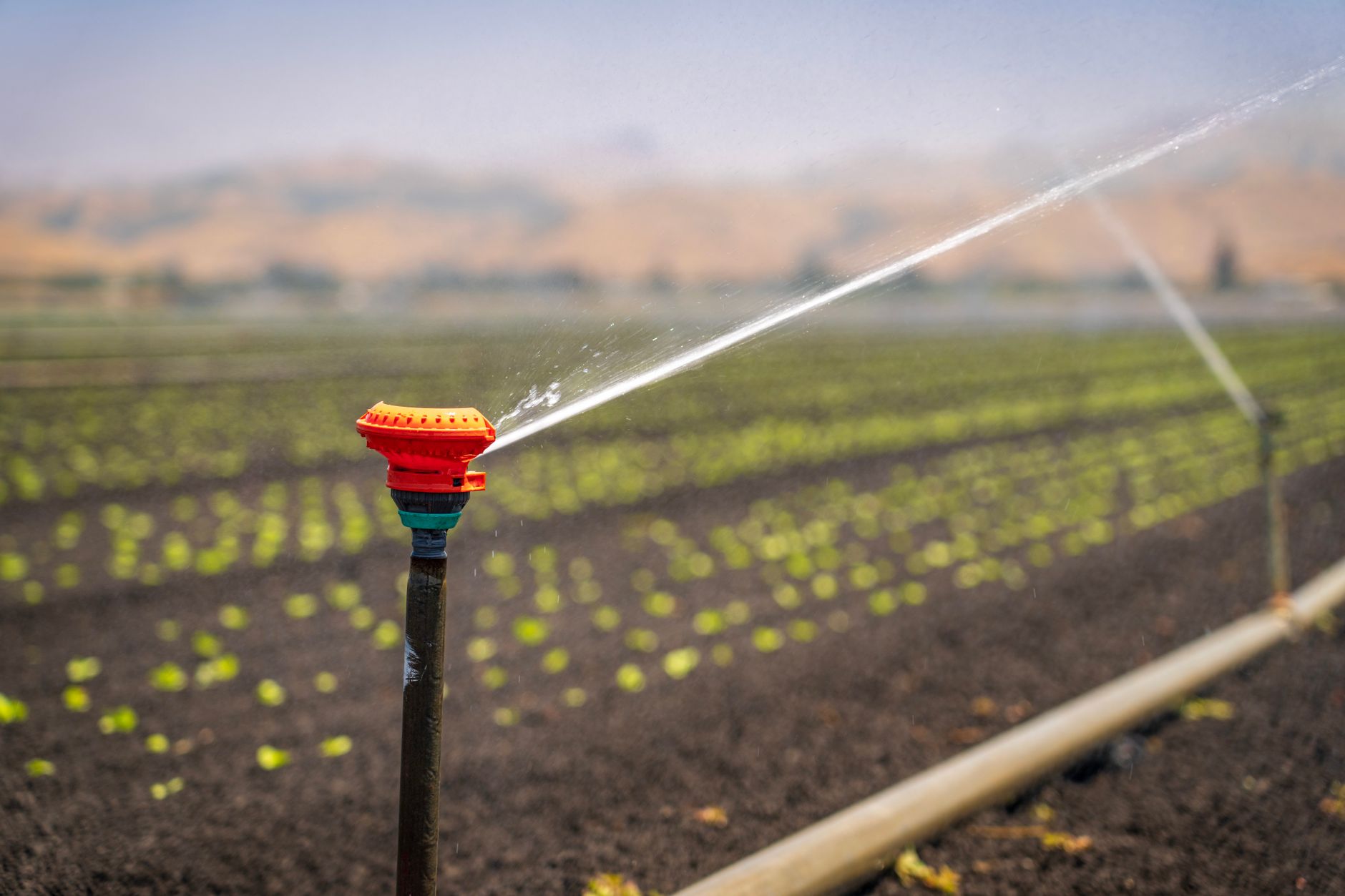
Outdoor irrigation accounts for close to 30% of total household water use in the US, and the EPA estimates that swapping a standard clock-based controller for a WaterSense-labeled smart controller can save an average home up to 15,000 gallons a year.[3] High-efficiency spray nozzles alone can save roughly 2,400 gallons annually per household. Almost no local irrigation company blogs about this, even though it’s a direct answer to a question a lot of homeowners are quietly asking: is my system wasting water, and is that why my bill keeps climbing.
A post titled something like “Why Your Water Bill Spikes Every Summer (And What a Smart Controller Actually Saves You)” does two things at once. It targets a real, low-competition search, and it positions the company as the contractor who understands efficiency, not just installation. In markets with drought restrictions or tiered water pricing, this angle converts especially well because the ROI math is concrete and the homeowner can see the savings on their own utility bill.
Seasonal Content Beats Evergreen Content for This Trade
A 60-40 split works well here: 60% seasonal and repair-driven posts published on a rolling calendar tied to the actual irrigation season, 40% evergreen guides that keep earning traffic year-round. Spring content should go live in February and March, ahead of the demand spike, not after it. Winterization content needs to be published by late August, because homeowners in colder climates start searching for it well before the first frost warning.
Waiting until the season is already underway to publish is one of the more common mistakes irrigation companies make once they do start blogging — Google needs weeks to index and rank new content, so a post written the week everyone’s pipes are freezing arrives too late to catch that year’s search spike. Get ahead of the calendar by six to eight weeks and the content is already ranking when demand hits.
Reviews Do More Work Than People Expect
97% of consumers read reviews before choosing a local business, and 41% now say they “always” check reviews first — up sharply from the year before.[2] For a trade like irrigation, where the homeowner is trusting someone to dig up their yard and touch their water line, that trust signal matters more than a slick website. A steady stream of recent, specific reviews (“fixed our broken valve same day, cleaned up after themselves”) does more for local ranking and conversion than another paragraph of service copy.
Pair that with a Google Business Profile that’s actually filled out — service area, photos from real jobs, posts tied to the season — and the local pack becomes reachable even for a company with a small ad budget. This is where a lot of irrigation businesses leave easy ranking on the table simply because nobody’s been assigned to keep the profile updated.
What This Actually Costs Compared to Paid Leads
An irrigation company spending $400-$600 a month on Angi is paying $4,800-$7,200 a year for leads that stop the moment the payment stops, and that get shared with competitors bidding for the same homeowner. A consistent content program costs less annually and keeps compounding — a post written in March can still be pulling in install leads two years later, something no paid lead ever does. That’s not a knock on paid leads as a short-term bridge for a brand-new business with zero reviews and zero content. It’s a case for treating them as a bridge, not a permanent line item.
Consistency is the part that actually determines whether this works. A dozen scattered posts published over a year won’t move the needle. A steady cadence — even two or three well-targeted posts a month tied to the season — compounds in a way that occasional bursts of content never do. Sites like a BJJ gym in Taipei that went from zero to 1,178 monthly visitors with daily SEO content show what that compounding looks like when publishing actually stays consistent instead of trailing off after the first month.
If publishing SEO content consistently sounds like too much work on top of running install crews and repair calls, RankOnRepeat handles the keyword research, writing, and publishing for a flat monthly fee — see how it works if you want the short version.
Frequently Asked Questions
How long does it take an irrigation company to rank on Google?
Most local irrigation businesses start seeing meaningful organic traffic within 3-6 months of consistent publishing, with city-specific service pages typically ranking faster than blog content. Competitive metro areas can take longer, but the seasonal repair keywords in this trade tend to have low enough competition that new content can rank in weeks, not months.
Is SEO worth it for a small irrigation company with only a few trucks?
Yes, arguably more than for a larger company, because a two- or three-truck operation can’t absorb $500+ a month in shared-lead fees the way a bigger outfit can. A handful of organic leads a month often covers the entire marketing budget once the content is built out.
What keywords should an irrigation contractor target first?
Start with city-specific service pages (“irrigation installation [city],” “sprinkler repair [city]”) and the highest-intent repair searches (“broken sprinkler pipe,” “sprinkler valve stuck on”). Those convert faster than broad seasonal terms and face less competition in most local markets.
Should irrigation companies still use Angi or HomeAdvisor while building SEO?
It’s reasonable to keep a smaller paid-lead budget running while organic content ramps up, since SEO takes months to build momentum. The goal is to shrink that paid spend over time as organic leads start covering a larger share of the pipeline, not to cut it off on day one.
References
- Google Search Central — guidance on helpful, people-first content and how it affects ranking regardless of site age or size.
- BrightLocal, 2026 Local SEO Statistics — consumer search frequency, review behavior, and local decision-making data cited above.
- US EPA WaterSense Program — residential outdoor water use figures and controller/nozzle water savings estimates.
- HOMESHOWOFF, Real Lead Costs in 2026 — per-lead pricing ranges and effective cost-per-booked-job data for Angi/HomeAdvisor.
Published by the RankOnRepeat editorial team · Last updated: September 30, 2026 · How RankOnRepeat works