
Key Takeaways
- “Optometrist near me” is a buying signal, not browsing — someone typing it usually books within 48 hours, and the practice ranking in Google’s top three captures the bulk of those clicks.
- A Google Business Profile alone plateaus — without a blog feeding it fresh, relevant pages, most independent practices stall on page two for anything beyond their own name.
- Eye-exam and eyewear searches are cheap to rank for — keyword difficulty on optometry long-tails often sits at 0–10, far below the paid-ad bidding war where “eye doctor” clicks run $8–$14.
- Consistency beats volume — one useful post a week, published for six to nine months, outperforms a 30-post blitz that then goes silent.
- The math favors SEO — a blog you build once keeps sending patients for years; a Google Ads campaign stops the day you stop paying.
A click on “eye doctor near me” can cost $8 to $14 in Google Ads, and it stops working the second you stop paying. Meanwhile the practice ranking organically for that same search pays nothing per click and captures patients around the clock. That gap — between renting your patient flow and owning it — is the whole case for SEO in an optometry practice. Independent optometrists compete in one of the friendlier local niches on Google: keyword difficulty is low, patient intent is high, and the national chains rarely bother answering the specific questions your patients type. This is a practical playbook for turning those searches into booked exams and filled optical orders, without out-spending anyone on ads.
On this page
- Why “optometrist near me” is the search you’re not ranking for
- What optometry patients actually search — and where they click
- The blog topics that pull eye-exam and eyewear patients
- Your Google Business Profile and blog work together
- How long before blogging fills your exam chairs
- SEO vs paid ads: the cost-per-patient math
- Frequently asked questions
Why “Optometrist Near Me” Is the Most Valuable Search You’re Not Ranking For
Someone who searches “optometrist near me” at 9 p.m. isn’t researching a term paper. They have a torn contact lens, a kid who failed a school vision screening, or a prescription that expired six months ago and now they can’t renew their contacts online. That search has intent baked into it — and roughly half of all Google searches carry local intent, according to data long cited from Google’s own research.
Here’s the uncomfortable part. Most independent optometry practices rank beautifully for their own practice name and almost nothing else. Type in “eye exam [your city]” or “kids eye doctor [your city]” and the results are dominated by the big chains, a directory or two, and whichever local practice bothered to publish content that answers the question. If that’s not you, you’re invisible for the exact moment a new patient is deciding where to go.
The practices that win these searches aren’t running bigger ad budgets. They’re publishing pages that match what patients type — and Google, which rewards content that genuinely helps the searcher, hands them the ranking. The truth is, most optometrists who “don’t do marketing” aren’t saving money. They’re quietly handing every un-booked exam slot to the LensCrafters three blocks over.

What Optometry Patients Actually Search — and Where They Click
Patients don’t search “comprehensive ophthalmic refraction services.” They search in plain, slightly anxious language: “how often should I get an eye exam,” “does insurance cover eye exams,” “why are my eyes blurry at night,” “best glasses for computer work,” “eye doctor open on Saturday.” Each of those is a blog post waiting to be written, and each one ends with a patient who needs exactly what you sell.
The click follows the answer. Google increasingly pulls a direct answer to the top of the results page, and 44% of AI Overview citations come from the first 30% of a page’s content. Practices that answer the question in the first two sentences of a post — clearly, specifically — get pulled into that box. Practices that bury the answer under 400 words of “welcome to our blog” get skipped.
There’s a second pattern worth knowing. People searching health questions read reviews and “About” pages before they book — BrightLocal’s consumer research has consistently found the overwhelming majority of people check online reviews for local businesses before choosing one. A blog that demonstrates real expertise does something an ad never can: it makes you the obvious, trustworthy choice before the patient ever picks up the phone. This is the same E-E-A-T signal that helps cosmetic dental practices win high-value patients from Google — expertise on the page translates to trust in the booking.
The Blog Topics That Pull Eye-Exam and Eyewear Patients
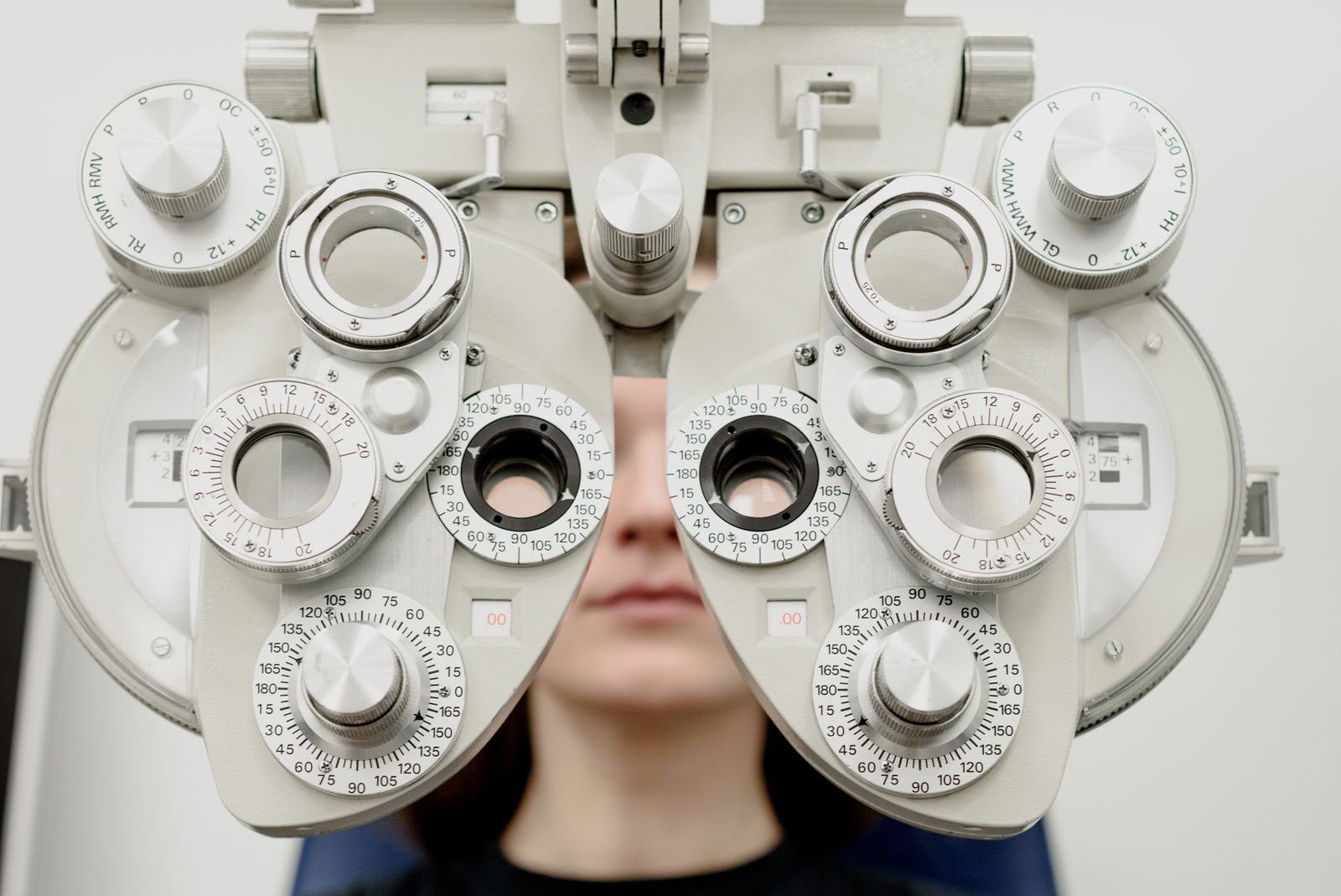
The best-performing optometry content sits at the intersection of “something patients worry about” and “something you get paid to fix.” A post titled “Signs Your Child Needs Glasses (and When to Book a Pediatric Eye Exam)” targets parents — a high-repeat, high-referral patient segment — and every one of them becomes a booking if they’re local.
A few clusters consistently earn their keep for independent practices:
- Symptom-driven posts — “Why do my eyes feel strained after screen time,” “What causes floaters,” “Is blurry vision an emergency.” These catch worried searchers at the moment they’re deciding whether to book.
- Insurance and cost posts — “How much does an eye exam cost without insurance,” “Does VSP cover contact lenses,” “What’s included in a comprehensive eye exam.” Money questions have massive search volume and almost no competition from chains.
- Eyewear and lens guides — “Blue-light glasses: worth it or hype,” “Contacts vs glasses for dry eyes,” “How to read your glasses prescription.” These feed your optical dispensary, which is where the margin lives.
- Local and seasonal hooks — “Back-to-school eye exams in [city],” “Do you need a new prescription for LASIK consults.” Local modifiers are where you outrank national sites every time.
Notice what’s missing: generic “the importance of eye health” filler. That topic is written 10,000 times over and ranks nowhere. Specific beats generic, always. A single post answering “how often should diabetics get an eye exam” will out-earn ten vague wellness posts, because it names a real patient with a real, recurring, insurance-covered need.
Your Google Business Profile Does Half the Work — Your Blog Does the Other Half
A direct answer for the busy owner: your Google Business Profile gets you into the local map pack for high-intent “near me” searches, and your blog gets you into the organic results below it — plus feeds the topical authority that makes the map ranking stick. You need both, and they reinforce each other.
Most practices set up a Business Profile, add their hours and a few photos, and stop. That’s enough to show up when someone searches your name. It is not enough to outrank three competitors for “eye exam [city].” Google decides map-pack order partly on relevance, and relevance is fed by the content on your connected website. Publish a steady stream of locally-focused, genuinely useful posts and you’re telling Google, in the only language it reads, that you’re the authoritative eye-care option in your area.
The reinforcement runs both directions. A blog post ranking for “pink eye vs allergy [city]” earns links and shares, which lift your whole domain, which lifts your map-pack position, which drives calls, which generates reviews — and reviews feed back into the map ranking. It’s a flywheel, and the blog is what starts it turning. The same daily-content flywheel took TaipeiBJJ, a local gym we manage through RankOnRepeat, from zero to 1,178 monthly visitors — the mechanics are identical whether you’re selling jiu-jitsu memberships or eye exams.
How Long Before Blogging Actually Fills Your Exam Chairs?
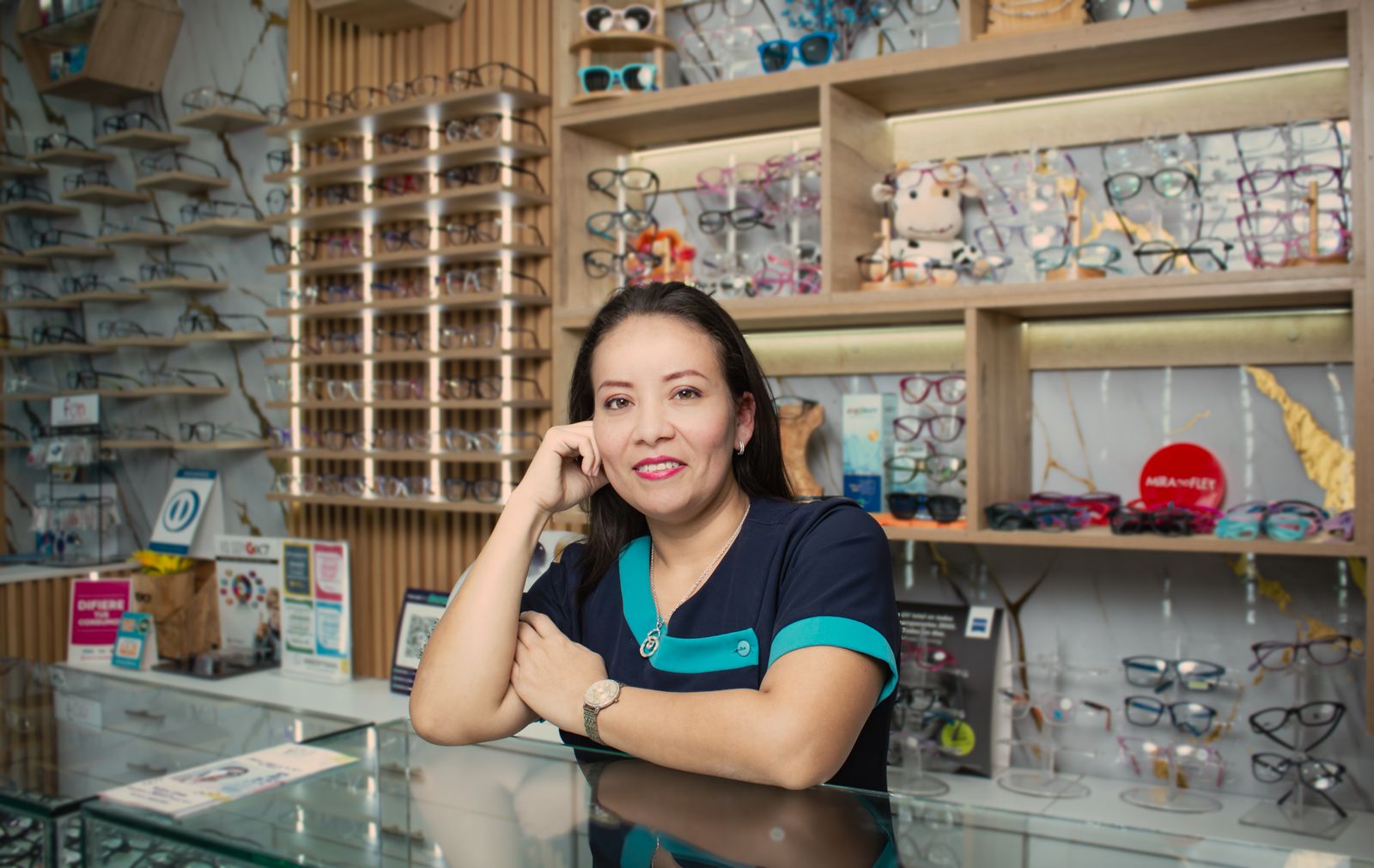
Straight answer: expect the first meaningful organic traffic around month three or four, steady booked appointments from search by month six, and a compounding effect after that where each new post lifts the ones before it. Optometry is a local niche with modest competition, so it moves faster than, say, a national e-commerce site — but it is not instant, and anyone promising page-one rankings in two weeks is selling you something.
The variable that matters most isn’t your city size or your competition. It’s whether you keep publishing. A practice that posts weekly for nine months lands in a completely different place than one that publishes 12 posts in January and nothing after. Google rewards freshness and consistency; a dormant blog signals a dormant business. We break down the full ramp curve in our guide to how long SEO takes to work for small businesses, but the short version for optometry is: patient, consistent publishing wins, and the practices that quit at month two are the ones who “tried SEO and it didn’t work.”

SEO vs Paid Ads for an Optometry Practice: The Cost-Per-Patient Math
Google Ads for eye-care terms are not cheap. Clicks on “eye doctor near me” and “eye exam [city]” commonly run $8 to $14 depending on your market, and only a fraction of clicks convert to a booking. Run the math and a single new patient acquired through paid search can cost $40 to $90 before you’ve done a single refraction. The moment you pause the campaign, the pipeline goes dry.
A blog post works differently. It costs money to produce once, then ranks and sends patients for months or years with no per-click charge. A single well-ranked post answering “how much does an eye exam cost without insurance” can pull dozens of local searchers a month, indefinitely, for a fixed one-time cost. That’s the difference between renting your patient flow and owning it.
None of this means ads are useless — they’re excellent for filling a brand-new practice’s schedule fast, or promoting a limited LASIK-consult offer. But as a long-term patient-acquisition strategy, paid search is a treadmill. The practices that win the decade are the ones building an owned content asset underneath the ads, so that when the ad budget tightens, the patients keep coming. The same logic drives why local service businesses increasingly favor SEO to fill their appointment books instead of paying for every click.

Frequently Asked Questions
How much does SEO cost for an optometry practice?
Most independent practices invest $500 to $2,000 a month for consistent content and local optimization, depending on how competitive their city is. That’s typically less than a month of Google Ads, and unlike ads, the content keeps working after you stop paying.
Do optometrists really need a blog, or is a Google Business Profile enough?
A Business Profile gets you into the local map for “near me” searches, but it can’t rank you for the hundreds of question-based searches patients make. A blog captures those searches and feeds the topical relevance that improves your map ranking too. You want both working together.
How many blog posts does an optometry practice need to rank?
There’s no magic number, but most practices see traction after 15 to 25 well-targeted posts published consistently over six months. Steady weekly publishing matters far more than hitting a specific post count all at once.
Will AI-written blog posts hurt my practice’s Google ranking?
No — Google rewards helpful, accurate content regardless of how it’s produced. What gets penalized is thin, generic filler. Content that genuinely answers patient questions and reflects real clinical expertise ranks whether a human or an AI-assisted process wrote the first draft.
Stop Handing Booked Exams to the Chain Down the Street
Every week you don’t publish is a week your competitors’ content compounds and yours doesn’t. The optometry practices pulling steady patients from Google didn’t out-spend anyone — they just started, and kept going. If publishing SEO content consistently sounds like too much work on top of running a full schedule of exams, RankOnRepeat handles everything — keyword research, writing, and publishing — for a flat monthly fee. Curious how the process runs? Here’s how RankOnRepeat works.
References
- Google Search Central — guidance on creating helpful, people-first content and E-E-A-T signals.
- BrightLocal Local Consumer Review Survey — data on how consumers use Google and online reviews to choose local businesses.
- American Optometric Association — recommended comprehensive eye-exam frequency for adults and children.
- The Vision Council — statistics on vision correction and eyewear use among U.S. adults.
- Semrush — reference on keyword difficulty and search intent for local service keywords.
Published by the RankOnRepeat editorial team · Last updated: July 15, 2026 · How RankOnRepeat works