
- Cosmetic keywords are brutally expensive on Google Ads — “botox near me” and similar terms run $8–$15+ per click, and you pay every single time whether they book or not. A blog post ranks for those same searches once and keeps earning.
- One catch-all “Services” page ranks for nothing. Google needs a dedicated page for Botox, one for filler, one for CoolSculpting, each written around your city — bundling them buries all of them.
- Groupon trains your town to wait for 60% off. SEO does the opposite: it brings in full-price clients who researched you first and already trust the clinic before they walk in.
- Local terms move fast, competitive treatments take longer. Expect Google Business Profile and neighborhood searches to lift in 4–8 weeks, and competitive treatment pages to climb over 3–6 months of consistent publishing.
Jump to a section
- Why med spas overpay for every new client
- What clients actually Google before they book
- The one-page mistake that kills your rankings
- How blogging turns curious Googlers into booked consults
- Winning the map pack in your city
- How long before content fills your calendar
- What a med spa should actually publish
- Frequently asked questions
A single “botox near me” click on Google Ads can cost a med spa $9 to $15 — and that is before anyone books a thing. Run that across a month of clicks and most owners are spending $2,000 to $4,000 just to be seen, outbid by every other clinic in town. Meanwhile the Groupon crowd shows up once, redeems a deep discount, and disappears until the next deal drops. There is a quieter way to fill a treatment calendar: publishing content that answers the exact questions people type before they book. It compounds instead of resetting when the ad budget runs dry, and it pulls in clients who already trust you. Here is how blogging actually works for a med spa in 2026.
Why Med Spas Overpay for Every New Botox Client
Aesthetic medicine is one of the most expensive corners of Google Ads. Because a filler client is worth hundreds and a body-contouring package can run into the thousands, clinics bid each other into the ground for the same handful of keywords. WordStream’s cross-industry ad benchmarks put beauty and personal-care clicks well above the average, and cosmetic-injection terms sit at the top of that range. You are renting attention by the click, and the meter never stops.
The Groupon route feels cheaper until you look at who it brings. Deal-hunters redeem the discount, rarely rebook at full price, and quietly teach your local market that your clinic is only worth visiting when there is 60% off. The truth is, most med spas leaning on Groupon are not building a business — they are renting one appointment at a time.
Content flips the model. A page you publish once about “how long Botox lasts” or “Dysport vs Botox in [your city]” keeps ranking, keeps getting found, and keeps sending consults for months without another dollar spent. The American Med Spa Association pegs the U.S. medical spa market north of $17 billion — that demand is already searching Google. The only question is whether your clinic or a competitor’s shows up.
What Clients Actually Google Before They Book a Treatment
People rarely search “med spa near me” and book on the spot. Aesthetic treatments carry anxiety — pain, cost, downtime, looking overdone — so prospects research for days or weeks before they ever pick up the phone.
The buying journey runs through dozens of small, specific questions. “Does Botox hurt?” “How much is a syringe of lip filler?” “What is the difference between Botox and Dysport?” “How long is CoolSculpting recovery?” Each of those is a search, and each is a chance for your clinic to be the one that answers clearly and calmly. Answer enough of them and you become the practice they already feel comfortable with by the time they book.
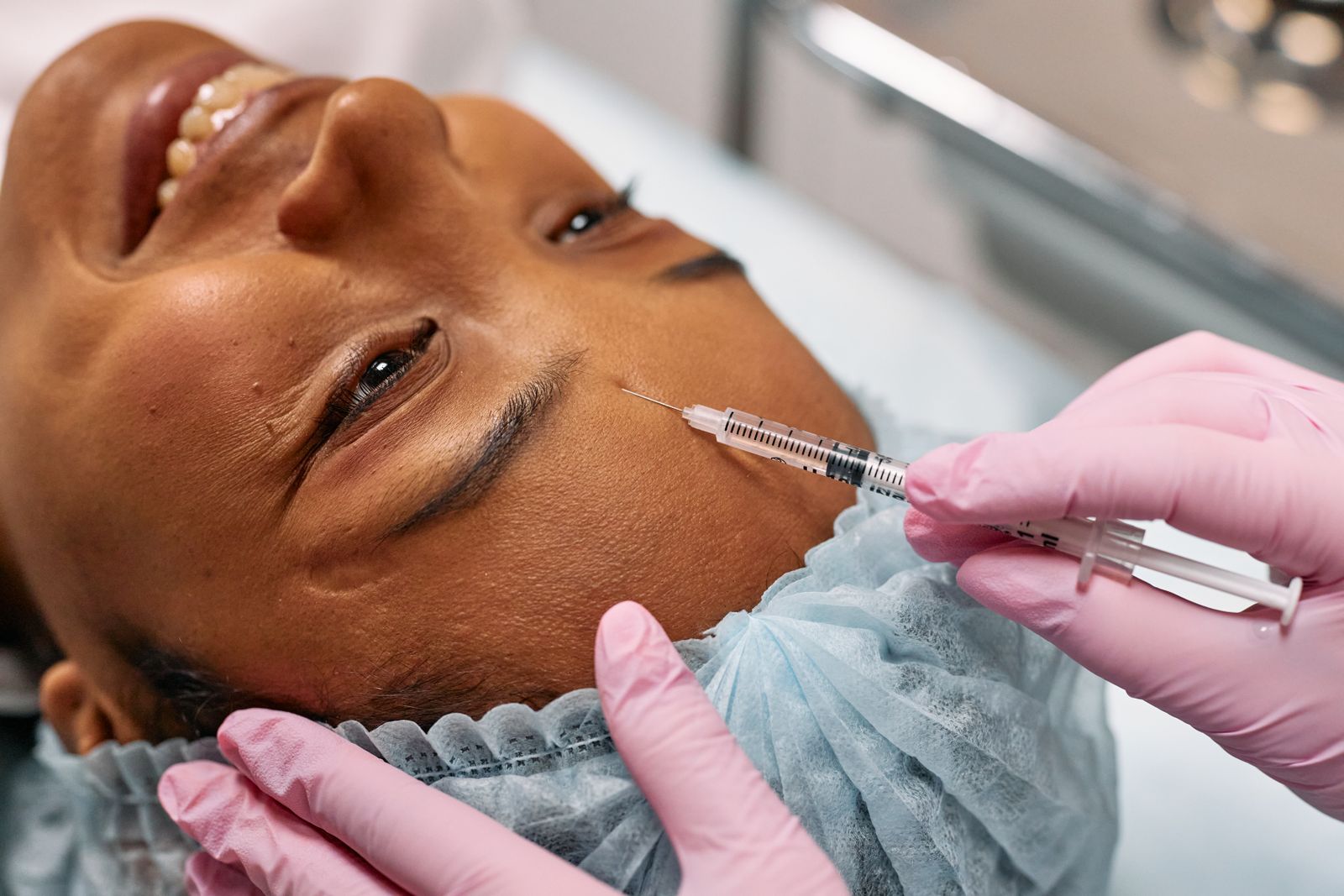
This is exactly why blogging beats a static brochure site. A homepage lists your services; a blog meets people at every stage of doubt. It is the same pattern that works for other high-consideration cosmetic practices — our guide on blogging for plastic surgeons breaks down how surgical practices win consults the same way, and the overlap with med spas is nearly total.
The One-Page Mistake That Quietly Kills Your Rankings
Here is the single most common technical error at med spa websites: cramming every treatment onto one “Services” page. Botox, filler, microneedling, laser, CoolSculpting — all listed together under one URL. Google reads that page and cannot tell what it is truly about, so it ranks it for none of them.
Search engines reward specificity. A dedicated 800-plus-word page for “Botox in [your city],” a separate one for “lip filler in [your city],” and another for “laser hair removal in [your city]” each give Google a clear, rankable target. Clinics that split their treatments into individual pages consistently outrank the ones that bundle everything, because they have given Google a reason to rank each service on its own terms.
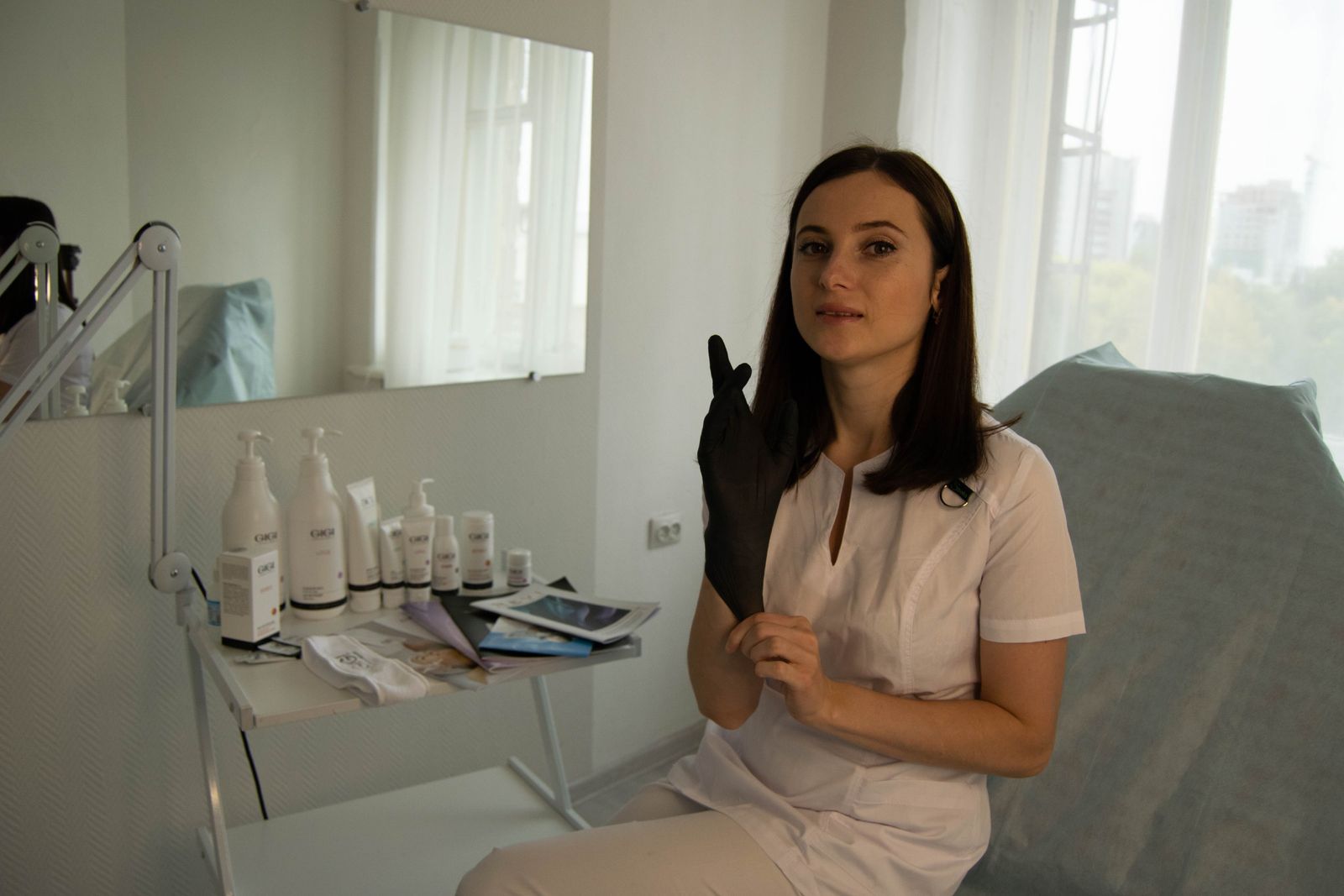
Your blog then feeds those treatment pages. An article answering “how long does lip filler last” links to your lip filler service page, passing relevance and sending an already-warm reader straight to a booking. That internal structure — pillar pages supported by clusters of blog posts — is what actually moves competitive local terms.
How Blogging Turns Curious Googlers Into Booked Consults
A blog post does three jobs at once for a med spa: it ranks for a question, it builds trust by answering honestly, and it routes the reader to book. Do that across forty or fifty posts and you have a machine that generates consults while you are treating patients.
The trust piece matters more in aesthetics than almost any other industry. BrightLocal’s Local Consumer Review Survey found that the overwhelming majority of consumers read online content and reviews before choosing a local business, and cosmetic clients are among the most cautious buyers there are. A post that walks through what to expect during a first filler appointment — the numbing, the timing, the aftercare — removes the fear that keeps people from booking.

Consistency is the whole game. One post a month barely registers; two or three a week is what builds the topical authority Google looks for. If keeping that pace sounds impossible while you are running a clinic, that is exactly the problem a done-for-you content service exists to solve. For a sense of what steady publishing does over time, watch the short primer below on what actually works for medical spa SEO.
Winning the Map Pack in Your City With Local Content
The three-result “map pack” at the top of local searches is where most med spa bookings are won. Ranking there takes a complete Google Business Profile, steady reviews, and — the part most clinics skip — content that names your actual service area.
Vague geography is a wasted opportunity. Instead of “serving the metro area,” your pages and posts should name neighborhoods, suburbs, and landmarks: “Botox for patients across Brickell, Coral Gables, and downtown.” That specificity tells Google precisely where you operate and helps you rank for the “in [neighborhood]” searches your competitors ignore.
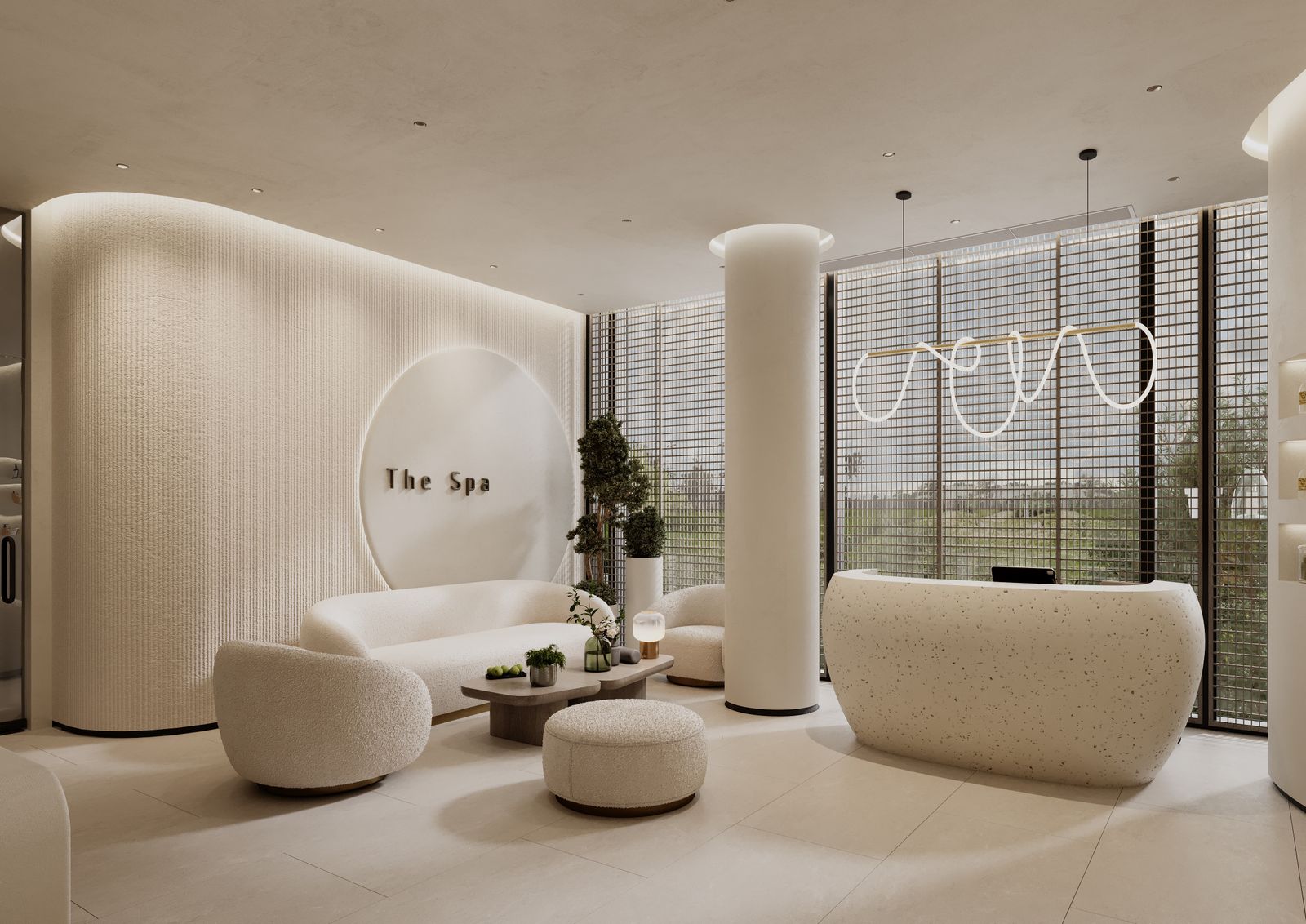
Local content compounds the same way it does for any service business. A BJJ gym in Taipei we publish for, TaipeiBJJ, went from zero to 1,178 monthly visitors on daily local SEO content — proof that consistent, geographically specific publishing fills a schedule whether you are teaching armbars or injecting Botox.
How Long Before Content Actually Fills Your Calendar
Honesty matters here, because unrealistic timelines are why owners quit right before it works. Local searches and Google Business Profile visibility often improve within 4 to 8 weeks. Competitive treatment terms — the money keywords like “lip filler [city]” — usually take 3 to 6 months of consistent publishing to reach the first page.

That lag is a feature, not a bug. Ads stop the second you stop paying; content you published in March is still booking consults in December. We break down the full picture in our guide on how long SEO takes to work — the short version is that the clinics winning today started publishing months ago, and the best time to start was then. The second-best time is this week.
What a Med Spa Should Actually Publish
You do not need clever ideas — you need the questions your clients already ask at the front desk, turned into pages. Start with the treatments that carry the most hesitation and the highest ticket, and answer the fears head-on.
A strong first-quarter content plan for most med spas looks like this:
- Treatment explainers — “Botox vs Dysport: which lasts longer?” and “What a lip filler appointment actually feels like.”
- Cost and value posts — “How much does CoolSculpting cost in [your city]?” Price questions have huge search volume and enormous buyer intent.
- Comparison and safety pieces — “Medical spa vs dermatologist: which is right for Botox?” These win cautious first-timers. Our guide for dermatologists shows the same trust-first approach from the other side.
- Aftercare and results — “How to make your filler last longer” keeps existing clients engaged and rebooking.
Every post links to the matching treatment page and ends with a clear next step. That is the difference between a blog that decorates your site and one that books appointments.
If publishing SEO content consistently sounds like too much work while you are running a clinic, RankOnRepeat handles everything — keyword research, writing, and publishing — for a flat monthly fee, so your calendar fills without you touching a keyboard.
Frequently Asked Questions
Is blogging worth it for a med spa, or should I just run ads?
Both have a place, but they behave differently. Ads stop the moment you stop paying and cosmetic clicks are among the priciest on Google. Blogging costs more patience up front, then compounds — a post keeps ranking and booking consults long after it is published.
How many blog posts does a med spa need to rank?
There is no magic number, but consistency beats volume. Most clinics need 30 to 50 well-targeted posts and treatment pages published over several months to build real topical authority in a competitive local market.
Will AI-written content hurt my med spa’s rankings?
Google judges content by quality and helpfulness, not by how it was produced. Accurate, genuinely useful posts edited by someone who understands aesthetics rank fine; thin, generic filler does not — regardless of who or what wrote it.
How is a med spa blog different from just having a services page?
A services page lists what you offer. A blog answers the specific questions clients Google before booking, ranks for far more searches, and builds trust with cautious first-timers — then routes them to the right service page to book.
References
- American Med Spa Association (AmSpa) — U.S. medical spa industry size and growth data.
- BrightLocal Local Consumer Review Survey — how consumers use online content and reviews to choose local businesses.
- WordStream Google Ads Industry Benchmarks — cost-per-click ranges for beauty and personal-care keywords.
- Google Search Central — guidance on helpful, people-first content and how Google evaluates it.
- Search Engine Journal — Local SEO — map pack ranking factors and local search best practices.
Want content like this working for your business? RankOnRepeat writes, publishes, and manages your entire blog — keyword-targeted articles that attract clients and rank on Google, hands-free. Get started today → · Browse content samples
Published by the RankOnRepeat editorial team · Last updated: July 8, 2026 · How RankOnRepeat works