
- Tree service is one of the cheapest niches to rank for — keywords like “tree removal [city]” sit at a keyword difficulty of 0–5, far below “personal injury lawyer.”
- A single storm can drive weeks of search traffic if you already have the pages ranking before the wind hits.
- Angi and HomeAdvisor sell the same lead to 4–5 companies; a Google ranking sends the caller to you and only you.
- Most tree service sites are three pages and a phone number — publishing real content is how you pass them in the results.
- Consistency beats volume. One useful post a week for a year outranks a 30-page site that stopped updating in 2022.
A single large tree removal runs $1,500 to $3,000, and a storm-damage cleanup can clear five figures in a weekend. Yet most tree service companies still buy that work from Angi at $80 to $100 a shared lead — leads that four competitors are calling at the same time. The companies quietly pulling ahead aren’t paying more for leads. They’re ranking on Google for “tree removal near me” and taking the calls directly, for free, every day.
Tree service happens to be one of the easiest trades to rank for. The searches have obvious buyer intent, the competition barely publishes content, and the jobs are big enough that a handful of rankings can fill a month. Here’s how the SEO actually works for a tree company, and why it pays off faster than it does for the lawyers and dentists spending ten times as much.
Why Tree Service Companies Rank on Google Faster Than Lawyers Do
A dentist competing for “dentist near me” is fighting corporate dental groups with six-figure marketing budgets and hundreds of reviews. A tree service company competing for “tree removal in [your town]” is usually up against three other outfits whose websites haven’t been touched since they were built. That gap is the whole opportunity.
Keyword difficulty for most tree service terms sits between 0 and 5 on Ahrefs’ 100-point scale, because so few competitors publish anything Google can rank. When your competition is a one-page site with a phone number and a stock photo, a genuinely useful 1,500-word article on “signs a tree needs to come down” is enough to jump the line. The truth is, most tree companies aren’t losing to better marketers — they’re losing to whoever bothered to write something.

What Your Customers Actually Type Into Google Before They Call
People don’t search “arboricultural services.” They search the problem in front of them, in plain language, usually with a note of urgency.
The money searches for a tree company fall into a few clear buckets. Emergency terms — “fallen tree on house,” “storm damage tree removal” — convert almost instantly because the person is standing in their yard looking at the damage. Removal terms like “tree removal cost” and “stump grinding near me” are people already sold on the service and comparing who to call. Then there are the earlier-stage questions — “is my tree dying,” “how much does tree trimming cost” — where the searcher is still deciding, and the company that answers well earns the trust and the eventual call.
The mistake is chasing only the bottom-of-funnel terms. A homeowner Googling “why are the leaves on my oak turning brown in summer” in June is a tree removal customer in September. Answer their question now and your number is the one they already have when the tree finally has to come down.
The Blog Posts That Fill a Tree Service Schedule
You don’t need a hundred articles. You need the right fifteen or twenty, each aimed at a search a real customer makes. Cost pages are the workhorses — “how much does it cost to remove a large oak tree” pulls people ready to spend, and a straight answer with a price range builds more trust than a coy “call for a quote.”
Beyond pricing, the posts that earn their keep tend to cluster around a few themes:
- Danger and diagnosis — “5 signs a tree is about to fall,” “how to tell if a tree is dead or dormant.” These catch worried homeowners before an emergency.
- Local and seasonal — “when to trim oak trees in [state],” “preparing your trees for hurricane season.” Local specificity is a ranking advantage the national sites can’t match.
- Service explainers — “stump grinding vs stump removal,” “what does tree cabling do.” These win the comparison searches right before a booking.
- Insurance and permits — “does homeowners insurance cover tree removal,” “do I need a permit to cut down a tree.” High-intent, rarely answered well by competitors.
Each of those is a page a competitor almost certainly hasn’t written. Publish them steadily and Google starts treating your site as the local authority on trees — which is exactly what it’s looking for.
SEO vs Angi and HomeAdvisor: The Real Cost Per Lead
Angi and HomeAdvisor charge tree companies roughly $80 to $100 for a single lead, and that lead is sold to as many as four or five other contractors at once. So you’re paying to compete on price, immediately, against people who got the exact same email. Win one job in four and your real cost per booked job is $300 to $400 before you’ve cut a branch.
A Google ranking flips that math. The page costs money to produce once, then sends you calls for years — and the caller found you specifically, not a list of five names. BrightLocal’s research shows the top organic result captures a large share of clicks for local searches, and those clicks don’t get resold to your competition. Most contractors who skip SEO aren’t saving money; they’re just paying Angi for leads instead of paying once for an asset they own.
This is the same pattern we’ve watched play out with taipeibjj.com, a local service business that went from zero to 1,178 monthly visitors on daily SEO content — a different industry, identical mechanics. Rank for what your customers search, and the phone rings without a per-lead invoice attached. For a deeper breakdown, our guide on why service pros are leaving Angi for Google runs the numbers for another trade.
How Long Before Tree Service SEO Starts Booking Jobs
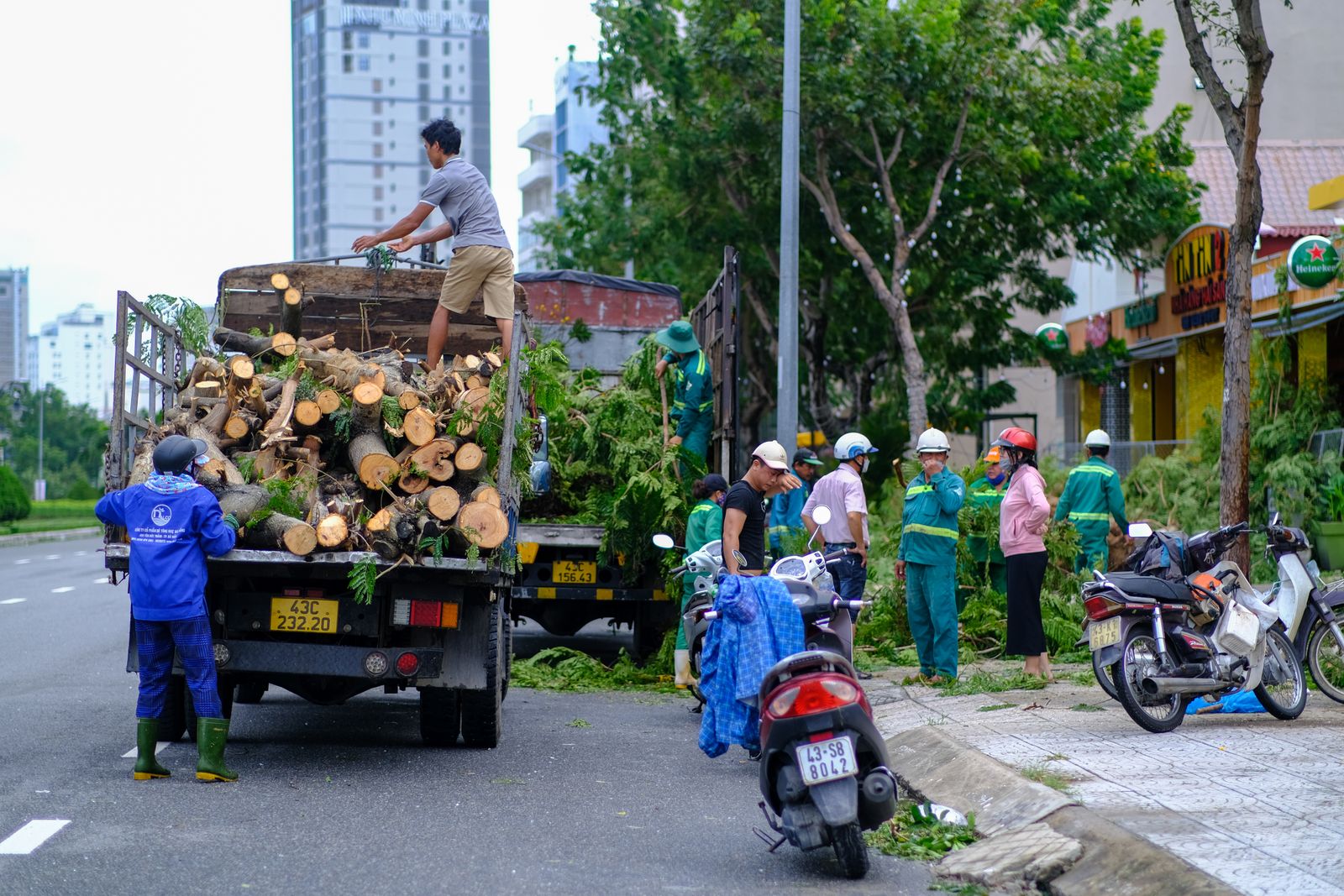
Realistically, expect three to six months before a new tree service site starts pulling meaningful search traffic, and closer to nine before it’s a steady pipeline. A brand-new domain has no track record with Google, so the first posts sit on page three while the site earns trust. That’s normal, and it’s why starting in the slow season is smart — you’re ranked and ready when storm season or spring cleanup arrives.
Speed depends almost entirely on consistency. A site that publishes one solid post a week signals to Google that it’s active and worth crawling often. A site that dumps ten posts in January and goes silent looks abandoned by March. Google’s own guidance rewards sites that keep producing genuinely helpful content over time, not sites that sprint once and stop.
Turning One Storm Into a Month of Search Traffic
Here’s the part most tree companies miss. Demand for your service isn’t steady — it spikes hard after every windstorm, ice storm, and hurricane. If you wait until the storm hits to think about Google, you’ve already lost, because ranking takes months and the surge lasts days.
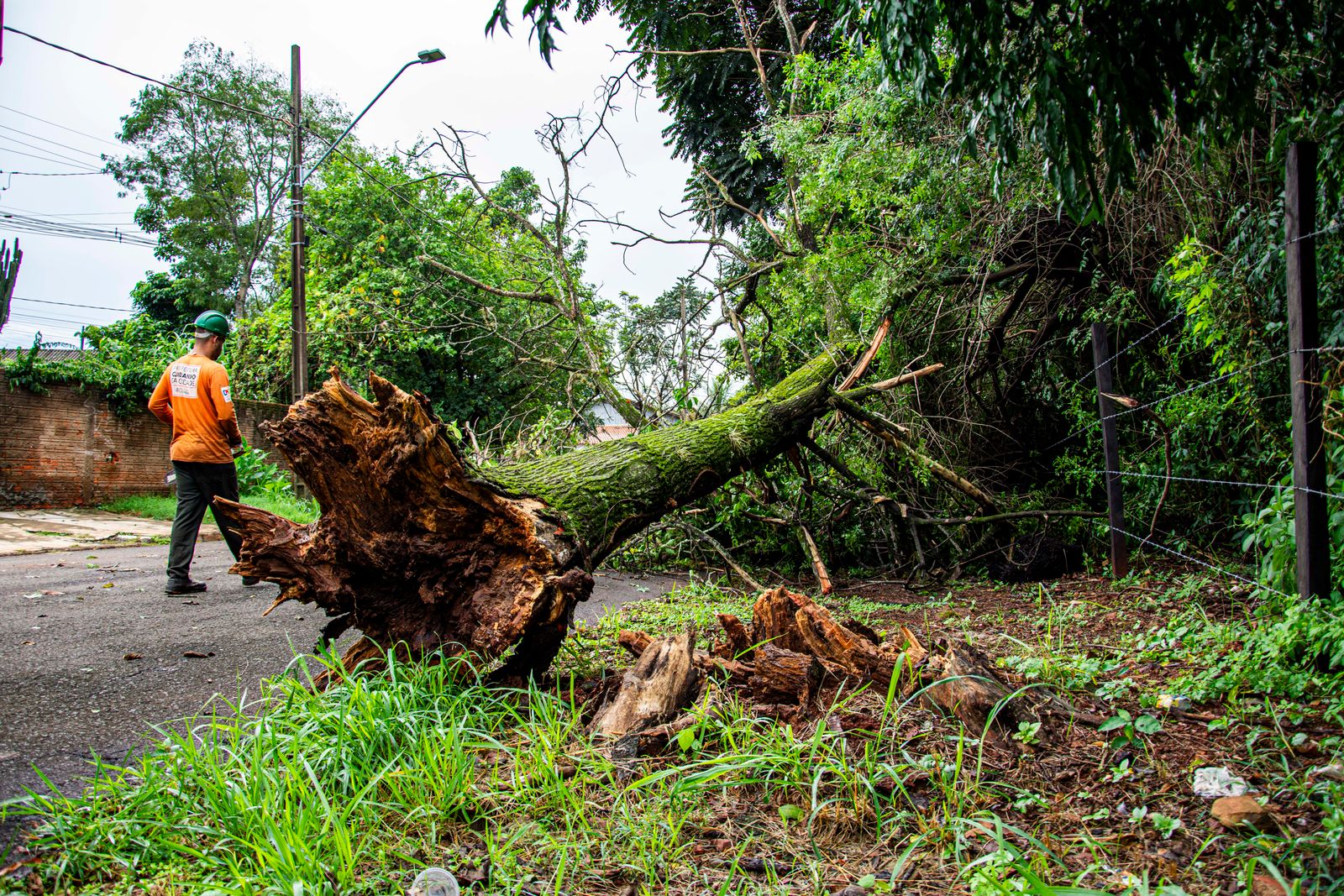
The companies that clean up after a storm — literally and financially — are the ones who published “emergency tree removal in [city]” and “what to do when a tree falls on your house” six months earlier. When the weather turns and everyone in town searches the same panicked phrases at once, those pages are already sitting at the top. One well-timed storm can send a month’s worth of high-value emergency calls to whoever ranked first, and that ranking was booked long before the forecast.
The same logic applies to seasonal trimming, spring storm prep, and fall cleanup. Whatever your busy period is, the content that captures it has to be ranked before the season starts — which means the work happens in the quiet months. If keeping that schedule sounds like one more thing you don’t have time for between jobs, RankOnRepeat handles the whole pipeline — keyword research, writing, and publishing — for a flat monthly fee, so the pages are live and ranking before your phone starts ringing off the hook. You can see exactly how the process works before committing to anything.
Frequently Asked Questions
How much does SEO cost for a tree service company?
Done-for-you SEO content typically runs $300 to $1,500 a month depending on how many posts you publish. Compared to $80–$100 per shared Angi lead, a single ranked page that produces a few calls a month usually pays for itself well before the year is out.
What keywords should a tree service target first?
Start with your highest-intent local terms — “tree removal [city],” “stump grinding [city],” and “emergency tree service [city]” — then build out cost and diagnosis articles like “tree removal cost” and “signs a tree is dying.” Local, specific keywords are far easier to rank than broad national terms.
Do tree service companies really rank faster than other businesses?
Generally, yes. Keyword difficulty for tree service terms is very low because few competitors publish real content, so a consistent blog can outrank established local sites within months rather than the year-plus it takes in fields like law or dentistry.
Is it worth blogging if I already get leads from Angi?
Angi leads stop the moment you stop paying, and they’re shared with your competitors. Blog content keeps sending you exclusive calls long after it’s published. Most companies run both at first, then scale back paid leads as their rankings take over.
If publishing SEO content consistently sounds like too much work to keep up between jobs, RankOnRepeat handles everything — keyword research, writing, and publishing — for a flat monthly fee, so your tree service ranks while you’re out on the truck.
References
- BrightLocal — Local Consumer Research — data on how local searchers click and choose businesses in Google results.
- Google Search Central — Creating Helpful Content — Google’s guidance on rewarding genuinely useful, consistently produced content.
- Ahrefs — Keyword Difficulty — explanation of the 0–100 KD scale used to gauge how hard a keyword is to rank for.
- Search Engine Journal — Local Search — ongoing coverage of local SEO tactics for service businesses.
Published by the RankOnRepeat editorial team · Last updated: July 14, 2026 · How RankOnRepeat works