- Asphalt paving is one of the least SEO-competitive trades left — most contractors in this space still run on referrals and a static one-page website.
- A single driveway job pays for months of content, and a commercial parking lot contract can pay for a year of it.
- Your Google Business Profile decides who gets the call before a single blog post does — reviews and photos matter more here than almost any other trade.
- Seasonal search spikes are predictable and huge — spring and early fall bring a wave of driveway and lot searches every year.
- Commercial property managers Google contractors before they call three bids, which makes parking lot keywords some of the highest-value real estate in local SEO.
A two-car driveway runs $950 to $7,200 depending on size, depth, and region, and a commercial parking lot job routinely clears five figures before the crew even unloads the roller.[1] Despite that, most asphalt paving contractors still fish for those jobs in the same crowded pond as every other trade — a shared Angi lead that’s already been sold to three competitors, or a Facebook post that disappears in a day. Almost nobody in this specific trade is publishing content. Search “parking lot paving contractor near me” or “asphalt driveway cost” in most mid-size markets and you’ll find thin directory listings, a couple of Yelp profiles, and maybe one contractor site that hasn’t been updated since 2019. That’s not a hard market to break into. It’s an open one.
Why Asphalt Paving Is One of the Least Competitive Trades to Rank For
Answer: Paving contractors publish less content than almost any other trade, largely because most owners came up running crews, not marketing departments. That gap means a handful of well-targeted posts can outrank national directories and rival contractors within a few months — a result that’s nearly impossible in saturated trades like roofing or HVAC.
We’ve published daily SEO content across dozens of trade verticals, and the difference in competition level is stark. Roofers, HVAC companies, and plumbers have been fighting over the same keywords for years — every angle from emergency calls to seasonal maintenance has multiple contractors publishing against it. Paving is different. Most paving company websites are still a single static page: a phone number, a logo, maybe a photo gallery that hasn’t been touched since the site launched. There’s no blog, no service-area pages, no content answering the actual questions a homeowner or facilities manager types into Google before they call anyone.
That vacuum won’t last forever. Paving is a high-ticket trade with strong margins, and sooner or later the contractors who figure out organic search will pull ahead of the ones still buying shared leads. Getting there first is the entire advantage.
What a Paving Job Is Actually Worth — and Why That Changes the Math
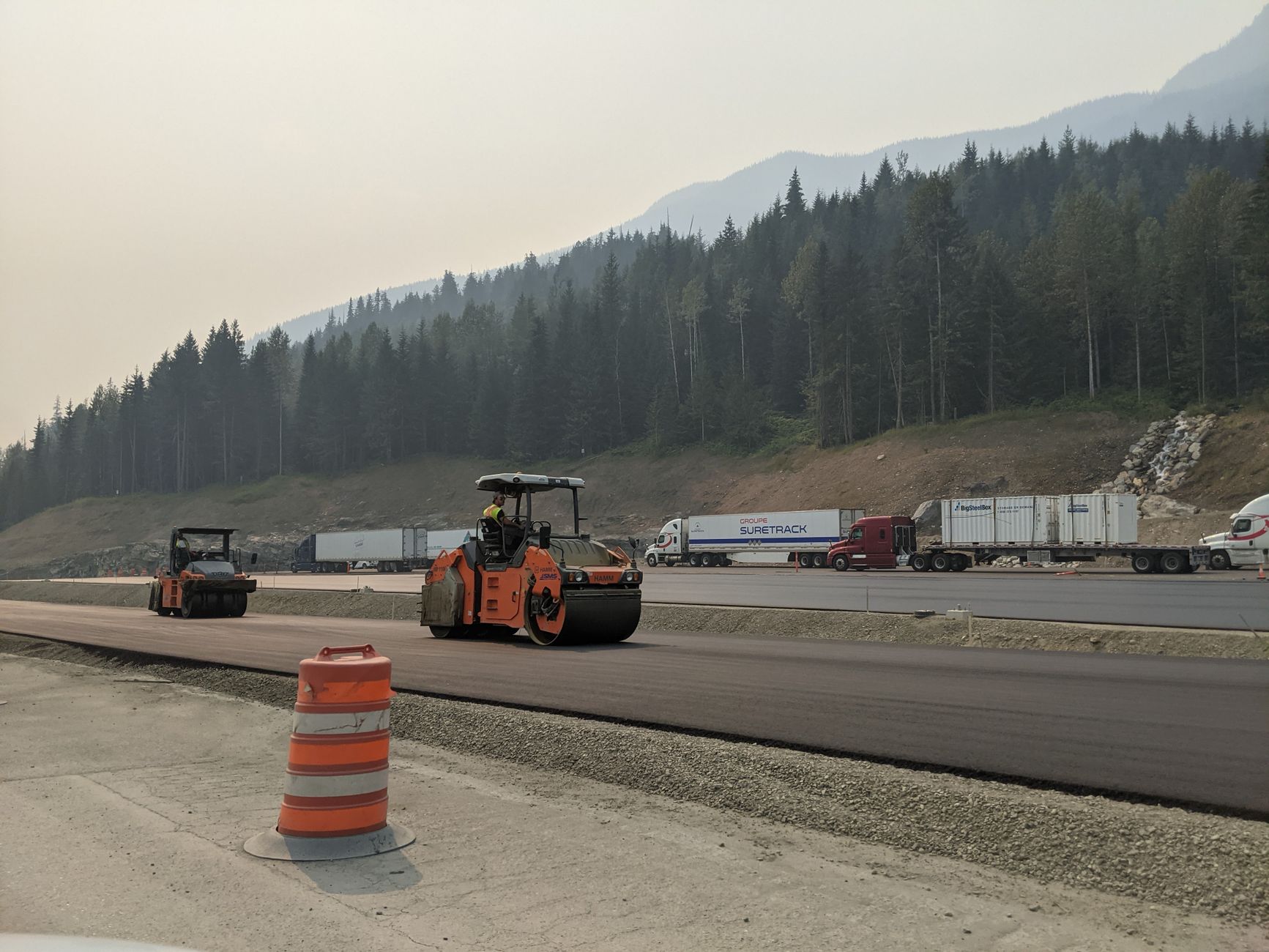
Answer: Residential driveways run $950 to $7,200, and commercial lots price out at $4 to $10 per square foot — meaning a modest 10,000-square-foot lot can clear $40,000 to $100,000.[2] Compare that to Angi’s lead economics, where a $50 lead and a 15% close rate puts the real cost per booked job north of $300, and organic search starts looking less like a marketing channel and more like the obvious move.[3]
The truth is, most paving contractors who stick with Angi aren’t saving money — they’re paying for the illusion of predictability, and that illusion gets more expensive every year the platform raises its membership fee and pushes minimum ad spend higher. A driveway job at $4,000 covers roughly a year of consistent blog content at most content services, including this one. One commercial parking lot contract covers two or three years of it. Once a paving company has a handful of posts ranking, those leads keep arriving without a per-lead invoice attached.
The Searches Your Next Paving Customer Is Already Typing
Answer: Residential customers search cost and timing questions — “asphalt driveway cost,” “how long does an asphalt driveway last,” “when to seal a driveway.” Commercial searchers use contractor-intent phrases — “commercial parking lot paving contractor,” “parking lot striping company near me,” “ADA compliant parking lot resurfacing.”
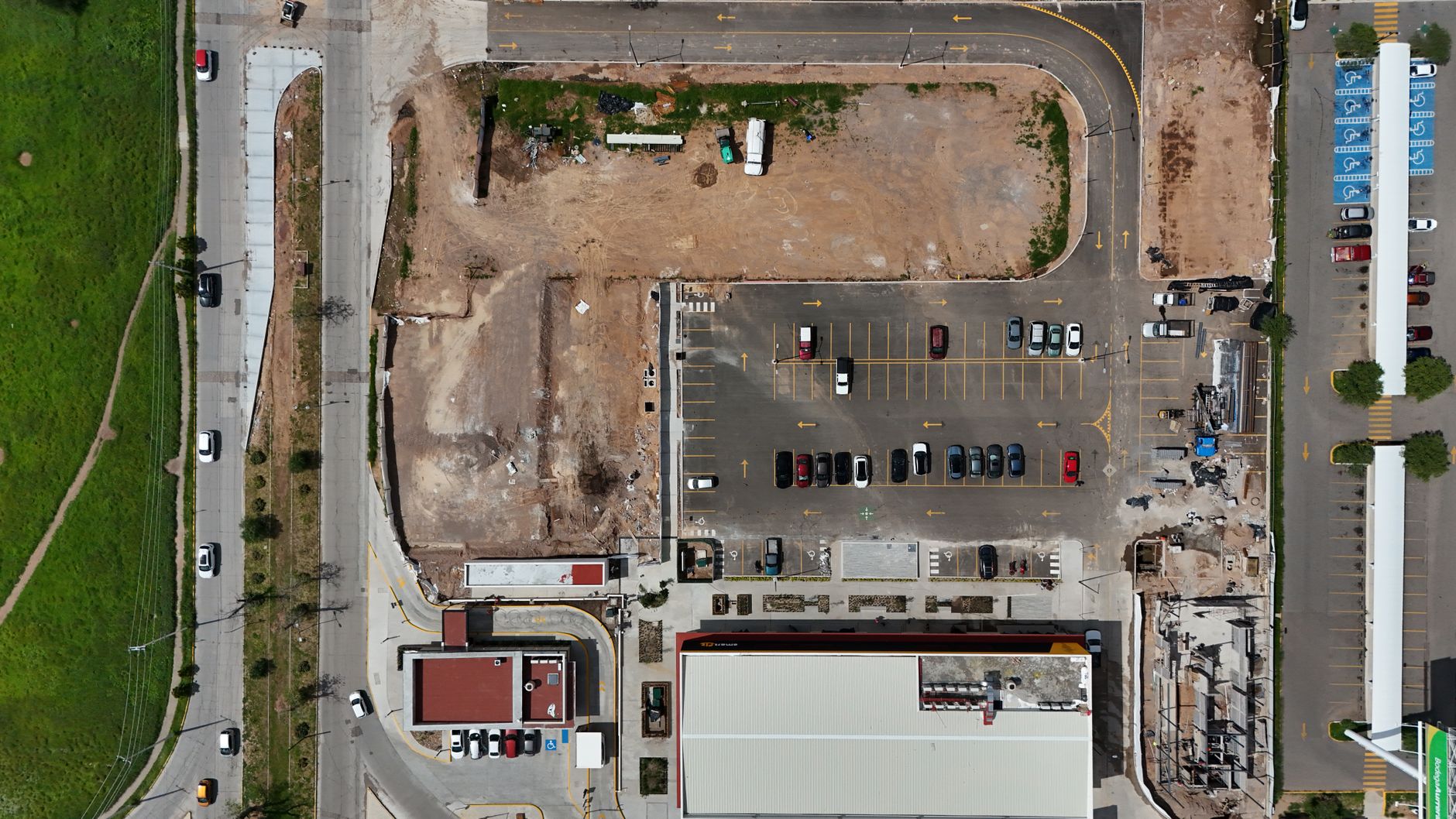
These two searcher types rarely overlap, and treating them as the same audience is where a lot of paving company websites go wrong. A homeowner researching a driveway wants to know what it costs and how long it lasts before they’ll even consider requesting a quote — they’re early in the decision. A property manager searching for a parking lot contractor is usually already comparing three bids and wants proof of commercial experience, insurance, and past projects of similar scale. A site that only talks about driveways will never rank for the commercial searches, and a site that only talks about commercial paving reads as overkill to a homeowner. Both audiences need their own content, their own service pages, and ideally their own set of before-and-after photos.
Your Google Business Profile Decides Who Gets the Call
Answer: 97% of consumers read reviews before choosing a local business, and 47% won’t consider one with fewer than 20 reviews.[4] For a visual trade like paving, before-and-after photos on the profile matter almost as much as the star rating — they’re proof the work looks as good as the estimate promised.
Blog content earns the click. The Google Business Profile earns the call. Set the primary category to “Paving Contractor” and add “Driveway Contractor” or “Asphalt Contractor” as secondary categories depending on what the crew actually does most. Define the service area honestly — paving crews often serve a 30 to 50 mile radius, and Google rewards accuracy over ambition here. Upload photos after every job, not once a quarter. A profile with fifteen recent before-and-after sets from the last six months will consistently beat a competitor with a bigger star rating and stale photos from three years ago.

The Blog Content That Actually Books Paving Jobs
Answer: Cost breakdowns, seasonal timing guides, and material comparisons pull the most search volume for this trade — homeowners want a number before they’ll pick up the phone, and property managers want a timeline that doesn’t shut down their lot during business hours.
A working content mix for a paving company usually includes a handful of recurring formats. Cost guides broken out by job type — driveway resurfacing versus new installation versus commercial lot paving — consistently pull the highest search volume of anything in this trade. Seasonal timing posts explain why spring and early fall are the best paving windows in most climates, which doubles as a soft urgency play heading into bidding season. Asphalt-versus-concrete comparison posts capture homeowners who haven’t decided on material yet. And a running series of city-specific before-and-after project posts builds the kind of local proof that a directory listing never will.
This same content-mix approach is what’s worked across every trade site we manage. Concrete contractors and siding contractors run the same playbook — seasonal timing, cost transparency, and project photos — and it outperforms the generic “we do great work” page every time. If the comparison to shared-lead platforms sounds familiar, it’s the same math we broke down in SEO vs Angi and HomeAdvisor.
If publishing that consistently sounds like more than a paving crew has time for, RankOnRepeat handles the keyword research, writing, and publishing for a flat monthly fee — no agency retainer, no per-lead invoice.
How Long Before a New Paving Website Starts Ringing the Phone
Answer: Most paving sites start seeing meaningful organic traffic within three to six months of consistent publishing, with a noticeable jump heading into spring if content has been live since the prior fall. Commercial keywords tend to take slightly longer than residential ones because the searches are lower volume but higher intent.
Timing content to the season matters more in paving than in almost any other trade — a cost guide published in March is too late for a contractor trying to catch the spring bidding wave that starts forming in January. Publishing daily rather than sporadically is what closes that gap, the same way it worked for a BJJ gym in Taipei that went from zero to 1,178 monthly visitors after switching to a daily content schedule. The traffic curve for paving looks different — steeper seasonal peaks — but the underlying mechanism, more indexed pages answering more real questions, is identical.
Frequently Asked Questions
How much does SEO cost compared to a shared Angi lead for a paving contractor?
A flat-fee content subscription typically runs less than the cost of five or six Angi leads per month, but unlike a lead, the content keeps ranking and pulling calls for years without a repeat charge.
Do I need a full website redesign to start ranking for paving keywords?
No. A basic WordPress site with a blog section is enough to start. Redesigns help with conversion once traffic arrives, but they’re not a prerequisite for ranking.
What’s the best time of year to publish paving content?
Late fall through early winter, so cost guides and service pages are indexed and ranking before the spring bidding season starts in most climates.
Can a small paving crew actually outrank bigger commercial paving companies on Google?
Yes, especially locally. Large commercial paving firms rarely invest in content marketing, which leaves city-specific and residential searches wide open for smaller, more consistent publishers.
References
- Angi — 2026 driveway paving cost data, national price ranges by size and material.
- Angi — 2026 commercial parking lot paving cost guide, price per square foot by material.
- The Valley Marketing Group — 2026 Angi/HomeAdvisor per-lead cost data and true cost-per-booked-job math.
- BrightLocal — 2026 Local Consumer Review Survey on review-reading behavior and rating thresholds.
- Google Search Central — official guidance on optimizing Google Business Profiles for local ranking.
Published by the RankOnRepeat editorial team · Last updated: September 28, 2026 · How RankOnRepeat works