
- Dental implant and wisdom teeth clicks cost $12 to $35 each on Google Ads — among the most expensive keywords in all of healthcare marketing.
- 76-77% of patients say they’d choose an oral and maxillofacial surgeon over a general dentist for implants and extractions — but only if they can find one.
- 55% of patients start their search with “[specialty] near me”, and 71% research a provider online before ever booking a consult.
- A single implant case is worth $3,000 to $30,000, which is why blog content that ranks once keeps paying for years instead of resetting to zero every month.
- Most OMS practice websites have five pages and zero blog posts — the entire content gap in this specialty is wide open right now.
Table of Contents
- Why Oral Surgeons Keep Paying More for the Same Patient
- What Patients Actually Research Before Calling an Oral Surgeon
- The Blog Topics Almost No Oral Surgery Practice Is Touching
- How Much a Single Implant Patient Is Actually Worth
- How Long an Oral Surgery SEO Push Takes to Pay Off
- SEO vs. PPC: Where the Money Actually Goes
- Frequently Asked Questions
A click on “dental implants near me” runs $12 to $35 depending on the market, and a full-mouth case can run $18,000 to $35,000 per arch. That math works for a while. Then the ad account gets shut off, or the budget gets cut during a slow quarter, and the phone stops ringing the same day. Oral and maxillofacial surgeons are sitting on one of the highest-value patient relationships in local healthcare, and almost none of them have a website that does anything beyond list services and a phone number.
Why Oral Surgeons Keep Paying More for the Same Patient
Oral surgeons pay premium CPCs because implant and extraction keywords have the highest commercial intent in dental marketing, and that cost never goes down the longer you advertise. Unlike a blog post, which keeps ranking and keeps pulling in traffic for free once it’s indexed, every dollar spent on paid search buys exactly one click and nothing more.
The numbers get worse before they get better. Dental implant keywords run $12 to $35 a click industry-wide, and that’s before factoring in the 2-3% of clicks that actually convert to a booked consult. A practice spending $3,000 a month on ads for implant cases is paying $100-$250 per lead before a single patient sits in the chair. Compare that to a blog post that took one afternoon to write two years ago and still pulls in three or four qualified searches a week — the economics stop looking close.
What Patients Actually Research Before Calling an Oral Surgeon
Most patients choosing an oral surgeon search online first, read reviews, and start with a “near me” query before they ever pick up the phone. That’s not a guess — it’s measured behavior across thousands of healthcare searches.
BrightLocal’s most recent Local Consumer Review Survey found that 71% of patients research a provider before booking, 77% check reviews first, and 55% begin their search with “[specialty] near me.” Almost half of all searchers — 45% — are now also asking an AI tool for a recommendation, a figure that was 6% a year earlier. None of that research happens on a practice’s “Meet the Doctor” page. It happens on content that answers a specific question: how much do implants cost without insurance, is wisdom teeth removal necessary at every age, what does bone grafting actually involve. If that content doesn’t exist on the practice’s own site, the patient finds the answer somewhere else and books with whoever wrote it.
The Blog Topics Almost No Oral Surgery Practice Is Touching
Most oral surgery websites have a services page, a bio page, and a contact form. That’s it. Here’s what almost none of them have, and what’s worth writing about first:
- Cost breakdowns by procedure — single implant, All-on-4, bone grafting, wisdom teeth extraction, with real ranges and what insurance typically covers.
- “Do I actually need this” guides — impacted wisdom teeth symptoms, when bone loss requires grafting before an implant, sedation options explained in plain language.
- Recovery timelines — what week one looks like after extraction, when patients can return to work, what’s normal swelling versus a complication.
- Insurance and financing breakdowns — which plans cover what percentage, CareCredit and financing options, how annual maximums actually work against a $4,500 implant bill.
- Comparisons to general dentists — why a referral to an OMS happens, and what training separates an oral surgeon from a general dentist doing simpler extractions.
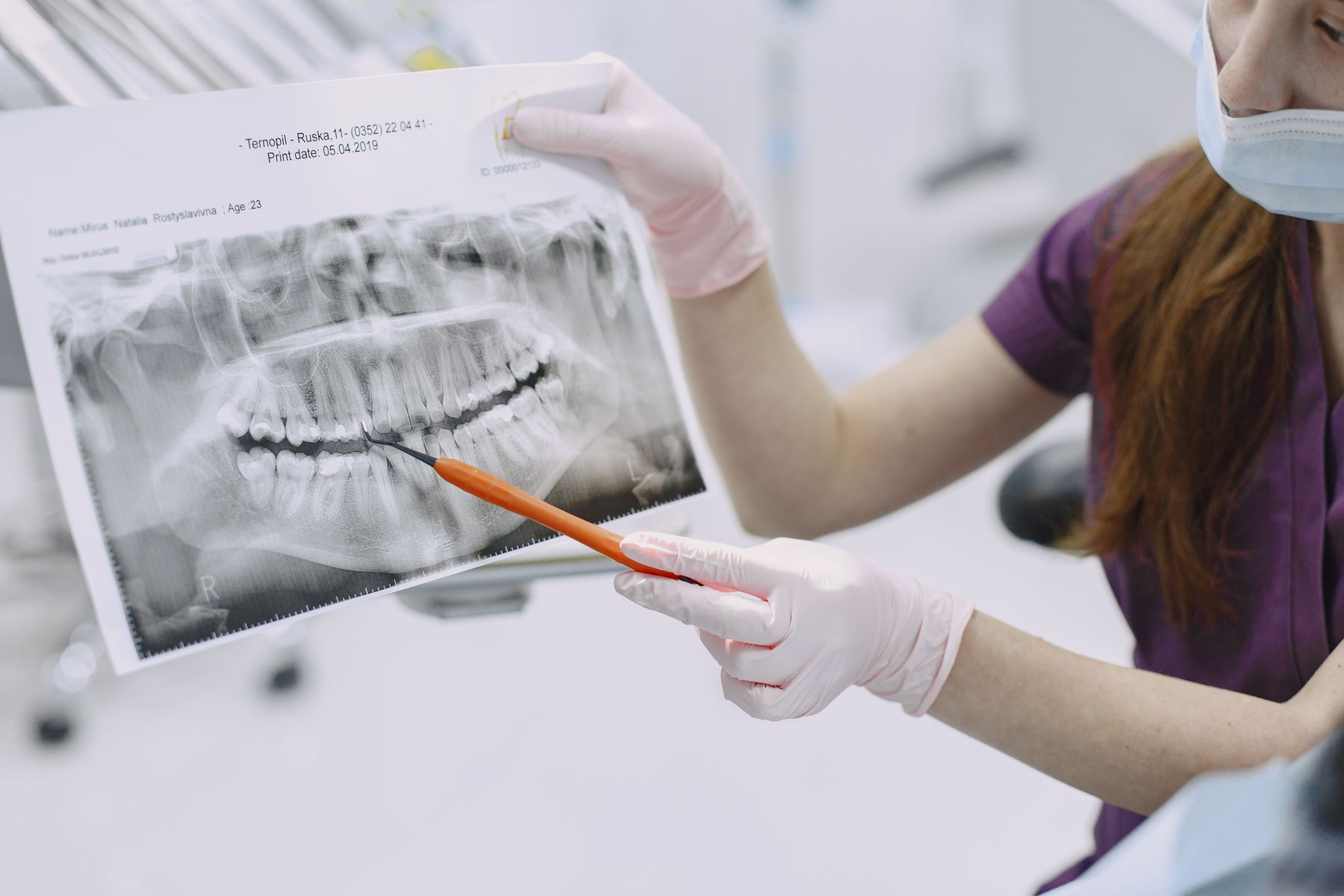
Nearly 90% of adults have at least one impacted wisdom tooth, and the American Association of Oral and Maxillofacial Surgeons estimates roughly 10 million wisdom teeth get extracted from about 5 million people in the U.S. every year. That’s a massive, constant search volume, and most of it is landing on third-party dental information sites instead of an actual practice that could book the case.
How Much a Single Implant Patient Is Actually Worth
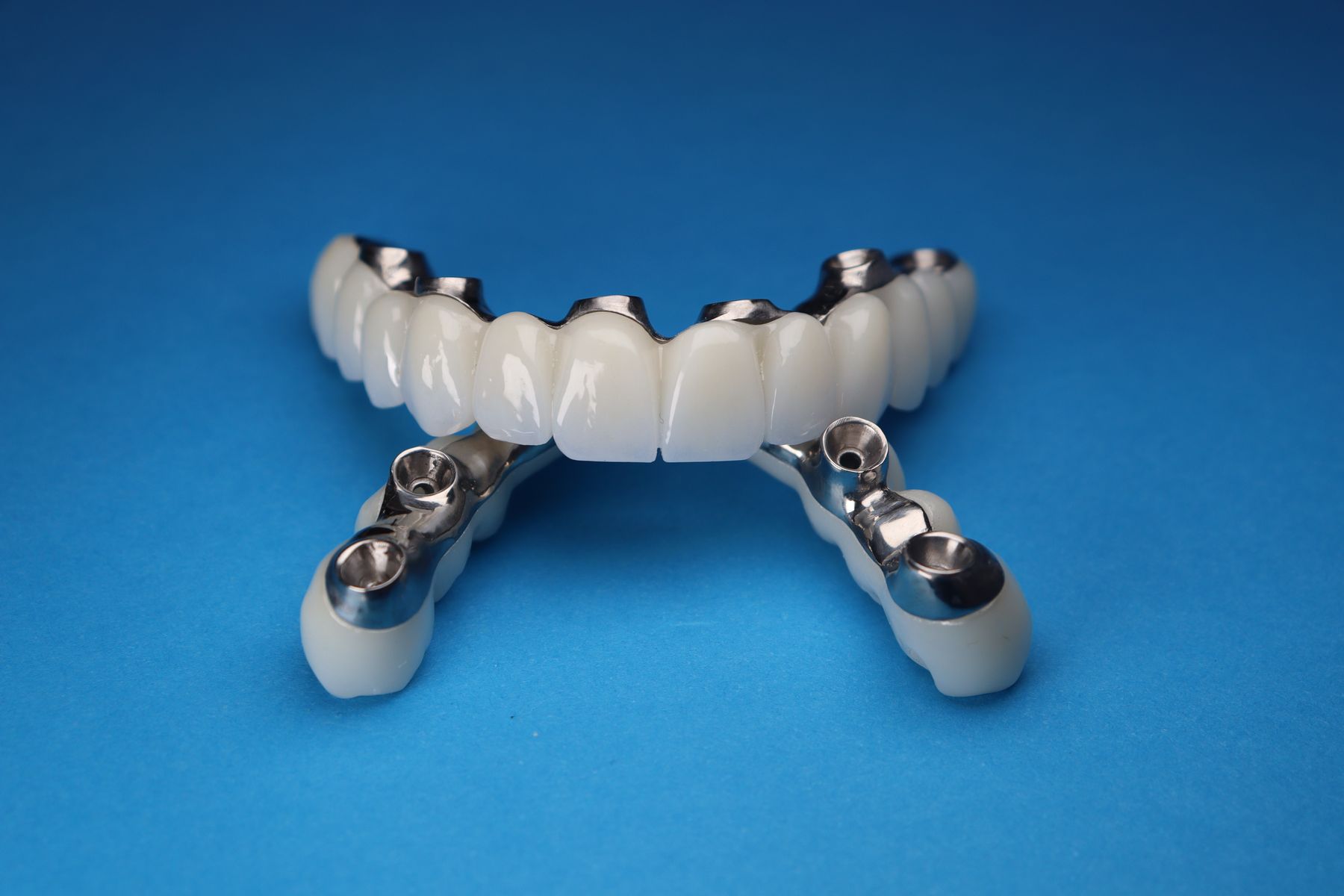
A single-tooth implant — post, abutment, and crown — averages $4,500 out of pocket in the U.S., with a typical range of $3,000 to $6,000 depending on the market. Full-arch restorations run $18,000 to $35,000+ per arch, and a full-mouth case can clear $60,000. Against that kind of case value, the idea that content marketing is “too slow” doesn’t hold up. One ranking blog post that converts two implant consults a year has already paid for itself ten times over.
The practices that get this right aren’t writing generic health content. They’re writing the exact questions a patient types into Google at 11 PM after their dentist says “you’ll need to see an oral surgeon” — and those patients are already further along in the decision than anyone clicking a paid ad.
How Long an Oral Surgery SEO Push Takes to Pay Off
Most oral surgery practices see their first non-brand organic consult requests within 60 to 90 days of consistent publishing, with meaningful case volume building between months four and eight. That’s slower than flipping on a Google Ads campaign, but the comparison isn’t really fair — ads stop producing the day the spend stops, and blog content doesn’t.
A practice publishing two solid, specific posts a week builds a library of 100+ pages within a year. Each one targets a different procedure, symptom, or financing question, and together they start pulling search traffic the practice’s “Services” page never could on its own. This is also where most practices quit too early. Three posts in month one, nothing by month two, and the owner concludes “blogging doesn’t work for us” — when the real problem was stopping before Google had enough signal to trust the domain.
SEO vs. PPC: Where the Money Actually Goes
Run both side by side for a year and the gap is stark. A practice spending $3,000 a month on implant and wisdom-teeth ad clicks spends $36,000 annually for traffic that disappears the moment the budget pauses. A practice spending a fraction of that on consistent content builds an asset that keeps ranking, keeps compounding, and still shows up in search two years later with zero additional spend. A BJJ gym in Taipei proved the same mechanic works outside healthcare — it went from zero to over 1,100 monthly visitors on daily published content without touching a paid ad.
That doesn’t mean paid search has no place. A new practice with zero domain history might need ads for the first few months while content builds up a track record. But treating PPC as the permanent strategy, rather than the bridge, is how a practice ends up handing 15-20% of implant case revenue to Google forever instead of just for a season.
If publishing two procedure-specific, well-researched posts a week sounds like more than a surgical practice has time for, RankOnRepeat handles the research, writing, and publishing for a flat monthly fee — no ad account, no bidding wars, no watching cost-per-click creep up every quarter. See pricing and plans here.
Frequently Asked Questions
Is SEO actually effective for oral surgery practices?
Yes. Implant and extraction searches carry strong commercial intent and high case values, which means even modest organic traffic converts into real consults. The tradeoff is time — SEO builds over months, not days.
How much does oral surgeon marketing cost compared to Google Ads?
Implant and wisdom-teeth clicks run $12 to $35 each on Google Ads. A monthly content program typically costs less than two weeks of that ad spend and keeps producing traffic indefinitely instead of stopping the moment the budget does.
What should an oral surgery blog post actually be about?
Procedure costs, recovery timelines, insurance coverage, and “do I need this” symptom guides outperform generic practice updates because they match exactly what a worried patient is typing into Google.
How fast will a new oral surgery blog start generating patients?
Most practices see their first organic consult request within 60 to 90 days of consistent publishing, with case volume building meaningfully between months four and eight.
The practices winning this specialty right now aren’t the ones with the biggest ad budget. They’re the ones who answered the cost question, the recovery question, and the “do I actually need this” question before anyone else in their city bothered to write it down.
References
- American Association of Oral and Maxillofacial Surgeons (AAOMS) — provider-preference survey data and annual wisdom teeth extraction volume (~10 million procedures/~5 million patients per year).
- BrightLocal Local Consumer Review Survey — patient research behavior, review-reading habits, and “near me” search patterns.
- Real Dental Costs — Dental Implant Cost Guide 2026 — average single-implant and full-arch pricing ranges.
- Webtonic — Dental Google Ads Benchmarks & Data 2026 — CPC ranges for dental implant and extraction keywords.
- Google Search Central Documentation — guidance on content quality and local search ranking factors.
Published by the RankOnRepeat editorial team · Last updated: October 17, 2026 · How RankOnRepeat works