
Blogging for HVAC companies is not about generating traffic for its own sake. It’s about showing up when a homeowner is researching a $6,000 heat pump installation or a $4,500 furnace replacement — jobs that don’t get decided in a single phone call. The homeowner does research first, and that research happens on Google.
The HVAC companies that win the high-value installs are the ones with content that educates buyers before the call. A company that explains SEER ratings clearly, walks through the heat pump vs. furnace decision, and gives honest guidance on HVAC lifespan builds trust before any technician ever arrives at the door. This guide covers the blog content that actually drives installs and service calls — including specific topic ideas you can start publishing this week.
Why High-Value HVAC Jobs Start With Google Research
A homeowner who calls because their AC won’t turn on is an emergency caller — they need someone now. But a homeowner thinking about replacing a 14-year-old system? They spend days or weeks researching before calling anyone. According to the U.S. Department of Energy, the average AC unit lasts 15 to 20 years. At the 12-to-14-year mark, millions of homeowners start wondering whether they should repair or replace.
That wondering becomes a Google search. “How long does an AC unit last.” “Is it worth repairing a 12-year-old AC.” “New AC unit cost 2025.” “Heat pump vs central air — which is better.” These are not casual searches. They’re the beginning of a buyer’s journey that ends with a $5,000 to $12,000 purchase decision.
The HVAC company that answers those questions with clear, trustworthy blog content gets the call. The company that only has a service page with a phone number and a stock photo gets skipped.
The Content That Pre-Qualifies Your Best Buyers
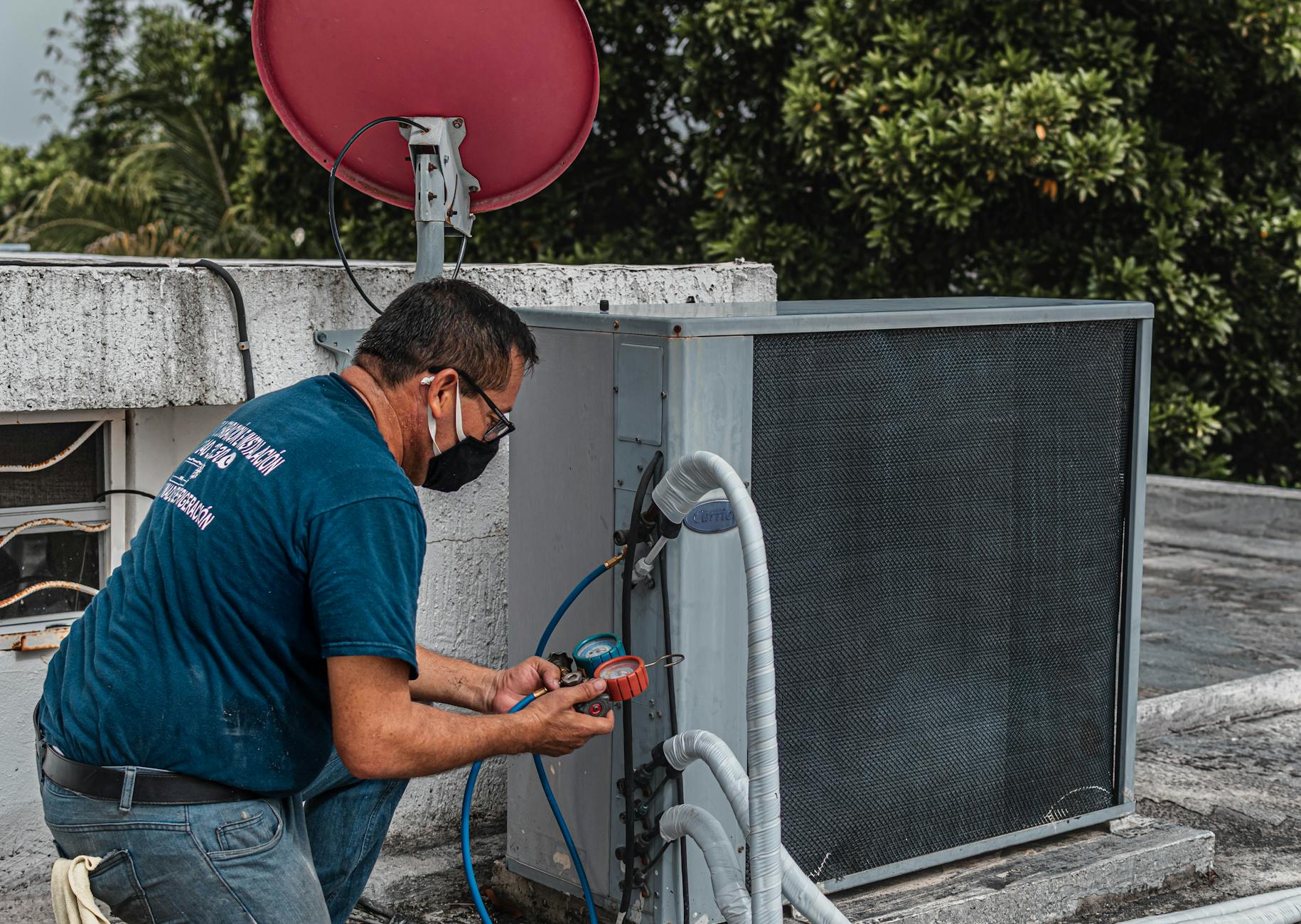
One of the underrated benefits of HVAC blog content is that it pre-qualifies callers. When a homeowner reads your article explaining the full cost breakdown of a new HVAC system — equipment, labor, permits, disposal — and then calls you, they already understand the investment. That’s a better sales conversation than starting from zero with a caller who expects a $500 solution to a $7,000 problem.
Content that pre-qualifies buyers:
- Cost breakdown articles — “How Much Does a New HVAC System Cost in [City]?” Walk through the full cost honestly: unit, labor, permits, and any add-ons. Buyers who read this are serious.
- System comparison content — “Heat Pump vs. Furnace: Which Is Right for Your Home?” This is one of the highest-value content types for HVAC companies because it captures buyers at the exact moment they’re deciding what to buy.
- Lifespan guides — “How Long Does an HVAC System Last?” Homeowners with aging systems read this content and often call immediately after to ask about replacement.
- Efficiency explainers — “What Is a SEER Rating and Why Does It Matter?” Educating buyers on efficiency makes them more likely to invest in higher-quality equipment — which means larger jobs for your company.
Specific Blog Topic Ideas for HVAC Companies
The best HVAC blog content answers the exact questions your customers are typing into Google. Here are topic ideas organized by buyer intent — from early research to ready-to-buy:
Replacement and Installation Topics (Highest Value)
- “How Much Does It Cost to Replace an HVAC System in [City]?” — captures replacement leads at peak buying intent
- “Heat Pump vs. Furnace: Pros, Cons, and Which Is Better for [Region]” — drives high-ticket installation inquiries
- “How Long Does HVAC Installation Take? What to Expect” — removes a common objection for homeowners hesitant to schedule
- “Best HVAC Brands in 2025: Carrier, Trane, Lennox — An Honest Comparison” — buyers researching brands are close to purchasing
- “Single-Stage vs. Two-Stage vs. Variable-Speed HVAC: Which Should You Buy?” — educates buyers and positions your company as the knowledgeable choice
- “What Is a SEER Rating? And What Rating Do You Actually Need?” — one of the most-searched HVAC education terms; leads to equipment upgrade conversations
Maintenance and Tune-Up Topics (Seasonal Volume)
- “What’s Included in an HVAC Tune-Up? A Homeowner’s Checklist” — drives maintenance contract sign-ups
- “How Often Should You Service Your HVAC System?” — positions your company as the go-to maintenance provider
- “Spring AC Checklist: 10 Things to Do Before the Heat Hits” — seasonal traffic driver that leads to tune-up bookings
- “How to Change Your HVAC Filter (And How Often)” — high-volume educational search that builds trust and brings in new visitors
Repair vs. Replace Topics (Pre-Qualifying Content)
- “Repair or Replace? How to Know When Your HVAC System Is Done” — this single article can generate more replacement leads than a paid ad campaign
- “Signs Your AC Won’t Last Another Summer” — captures homeowners who are on the fence about replacement
- “How Long Does a Furnace Last? When to Replace Instead of Repair” — drives furnace replacement consultations in fall
What Makes HVAC Blog Content Actually Rank on Google
Writing a blog post isn’t the same as writing content that ranks. For your HVAC articles to show up when homeowners search, they need to be built around the way those homeowners actually search. A few rules that separate content that ranks from content that sits at position 47:
- Answer the question in the first paragraph. Google promotes pages that answer the search query immediately. Don’t make readers scroll through five paragraphs of background before getting to the point.
- Include real numbers. “A new HVAC system costs between $5,000 and $12,500 depending on your home size and system type” is far more useful — and more rankable — than “costs vary.” Real data earns featured snippets.
- Use the city name naturally. “HVAC replacement cost in Denver” outranks “HVAC replacement cost” for local searchers. Weave your service area into the content, not just the metadata.
- Cover the full topic. If you’re writing about SEER ratings, explain what SEER means, what rating is appropriate for different climates, and how it affects long-term energy bills. Shallow content gets outranked by thorough content every time.
The Trust Factor: Why Educated Homeowners Call You First
There’s a secondary benefit to HVAC blog content that most companies overlook: trust. When a homeowner reads your article explaining the real pros and cons of heat pumps — including the fact that they’re less effective below freezing — they see an honest company, not a sales pitch. That honesty converts more calls than any promotional copy.
The HVAC contractors industry is intensely local and intensely competitive. In most markets, a homeowner has 10 to 20 options for any given service. The company that educated them — explained what SEER ratings mean, gave honest cost ranges, told them when a repair beats a replacement — is the company they feel they can trust. That company gets the call.
Content builds that trust at scale. One technician can educate 8 customers a day. One well-written blog post can educate 800 people a month — indefinitely.
How Often Should HVAC Companies Blog?
The honest answer is: more consistently than most manage on their own. The minimum effective dose for HVAC SEO is two articles per month — one targeting an upcoming seasonal search spike, one covering an evergreen topic like system lifespan or efficiency. Companies publishing four or more articles per month see compounding results as their content library grows and their topical authority increases.
The real barrier isn’t knowing what to write — it’s finding the time to write it when you’re running a service operation. Most HVAC business owners are scheduling technicians, handling customer complaints, managing inventory, and reviewing invoices. Writing 1,500-word blog posts doesn’t fit into that schedule.
That’s exactly the problem RankOnRepeat solves. Done-for-you SEO content publishing means your blog keeps growing and ranking even during your busiest seasons.
Frequently Asked Questions About Blogging for HVAC Companies
What should an HVAC company blog about?
Focus on topics that match actual Google searches: system replacement cost, efficiency ratings (SEER), heat pump vs. furnace comparisons, maintenance checklists, and emergency troubleshooting guides. The best topics answer questions homeowners are already asking before they call an HVAC company.
How does blogging help HVAC companies get more installs?
High-value HVAC jobs — new system installations and full replacements — start with research. Homeowners compare options, read cost breakdowns, and evaluate companies before calling. A company with thorough blog content on these topics earns trust during the research phase and gets the call when the homeowner is ready to commit.
What is a good SEER rating to recommend in blog content?
The current federal minimum is SEER2 14 for most U.S. regions (as of 2023). According to the Department of Energy, systems rated SEER 16 or higher can reduce cooling costs by 20 to 40% compared to older systems — a compelling data point for any replacement-focused article.
Can HVAC blog content compete with big national companies?
Yes — because HVAC is a local service. A national HVAC directory ranks nationally; your local company’s blog targets “[service] in [city]” searches where you have the geographic relevance advantage. Local, specific content consistently outranks generic national content for local searches.
If publishing SEO content consistently sounds like too much work, RankOnRepeat handles everything — keyword research, writing, and publishing — for a flat monthly fee.
Sources
- U.S. Department of Energy — Maintaining Your Air Conditioner — AC lifespan data and SEER efficiency statistics
- IBISWorld — Heating & Air-Conditioning Contractors in the US (2025) — $158.4B market size and industry competitiveness data
- ACCA — HVAC Industry Growth — U.S. HVAC services market projections through 2030
Want content like this working for your business? RankOnRepeat writes, publishes, and manages your entire blog — keyword-targeted articles that attract clients and rank on Google, hands-free. Get started today → · Browse content samples