
- Zillow Premier Agent averages $223 per shared lead in major metros — and the same buyer often lands in three or four agents’ inboxes at once.
- 46% of buyers begin their home search online; only 20% start by contacting an agent (NAR, 2025). The first impression happens on Google, not in your office.
- Neighborhood guides, “cost of living in [city],” and monthly market updates pull in buyers and sellers months before they’re ready to sign.
- A ranked blog post keeps working for years — a paid lead vanishes the moment your card stops being charged.
- Consistency beats brilliance. Agents who publish every week outrank the ones who post twice and quit.
Table of Contents
- Why Zillow and Realtor.com Leads Cost So Much
- What Buyers and Sellers Search Before They Call
- The Blog Posts That Actually Bring Real Estate Leads
- How Long Before Blogging Fills Your Pipeline
- Owned Audience vs Rented Leads: The Five-Year Math
- How to Publish Consistently Without a Second Job
- Frequently Asked Questions
A single Zillow Premier Agent lead runs about $223 in a major metro — and that exact buyer usually lands in three or four other agents’ inboxes at the same moment. You’re not buying a client. You’re buying a footrace. Most agents treat this as the unavoidable cost of staying in business, then quietly watch their marketing budget grow every quarter without their pipeline getting any more predictable. There’s a slower, quieter model that flips the equation: you publish content answering what local buyers and sellers are already typing into Google, those pages climb the rankings, and the phone rings with people who found you — not a portal. Here’s what to write, how long it takes, and why the math wins every year you stay licensed.
Why Zillow and Realtor.com Leads Cost So Much (And Who Actually Profits)
Real estate portals charge $139 to $223 per shared lead because they sell the same buyer to several agents at once and keep the homeowner’s loyalty pointed at their own brand. You’re paying for a chance at a conversation, not an exclusive relationship — which is exactly why the price climbs as more agents bid for the same zip code.
Zillow’s pricing tells the story plainly. Outside major metros, leads average around $139 each; inside competitive cities, that jumps to roughly $223, and agents in markets like Austin, Miami, or Los Angeles routinely report spending $20,000 to $40,000 a month just to hold a meaningful slice of the leads in their area. Realtor.com isn’t dramatically cheaper — non-exclusive leads start near $200 a month, and owning a territory outright can run $1,000 a month or more.
The truth most agents figure out two years too late is that portals don’t sell you clients. They sell you the same lead they already sold your competitor, then charge both of you to fight over it. Every dollar you hand them builds their brand recognition, not yours. Stop paying, and your visibility vanishes the same day — there’s no equity in a rented audience.
What Buyers and Sellers Actually Search Before They Call an Agent
Most clients spend weeks researching online before they ever contact an agent. According to the National Association of Realtors’ 2025 Profile of Home Buyers and Sellers, 46% of buyers start their search online while only 20% begin by reaching out to an agent — and 52% ultimately find the home they buy online. The first touch happens on a search results page.

That gap between “starts online” and “contacts an agent” is your entire opportunity. Someone planning a move doesn’t search “real estate agent near me” first. They search “is Maplewood a good neighborhood for families,” “cost of living in Boise 2026,” “how much is my house worth in Tampa,” or “what to know before buying a condo in Denver.” Those are the questions running through a buyer’s head months ahead of any showing.
Portals own the listing searches. They will always outrank you for “homes for sale in [city]” — that fight is unwinnable. But they barely touch the research questions, the local-knowledge questions, the ones that prove you actually know the market. That’s the ground where a solo agent or small team can outrank a billion-dollar portal, because Google rewards specific, genuinely local expertise that a national database can’t fake.
The Blog Posts That Actually Bring Real Estate Leads, Ranked by Intent
The highest-converting real estate blog posts answer a local question only a real agent could answer well. Neighborhood guides, cost-of-living breakdowns, and monthly market updates attract buyers and sellers early in their journey, build trust over several visits, and capture the search traffic portals ignore.
If you’re staring at a blank page, these are the formats that consistently pull leads for local agents:
- Neighborhood deep-dives — “Living in [neighborhood]: schools, commute, and what homes really cost.” These rank fast because almost no one writes them well.
- “Moving to [city]” guides — the single most-searched query by relocating buyers, who are often the highest-budget clients you’ll meet.
- Monthly or quarterly market updates — “[City] housing market, [month] 2026: prices, inventory, and what it means for you.” These signal you’re active and current.
- Home-value and seller questions — “How much is my home worth in [city]?” and “Should I sell or wait?” capture motivated sellers, the clients every agent wants.
- First-timer education — “What every first-time buyer in [state] needs to know about closing costs.” Patient content that builds a relationship before the commission.
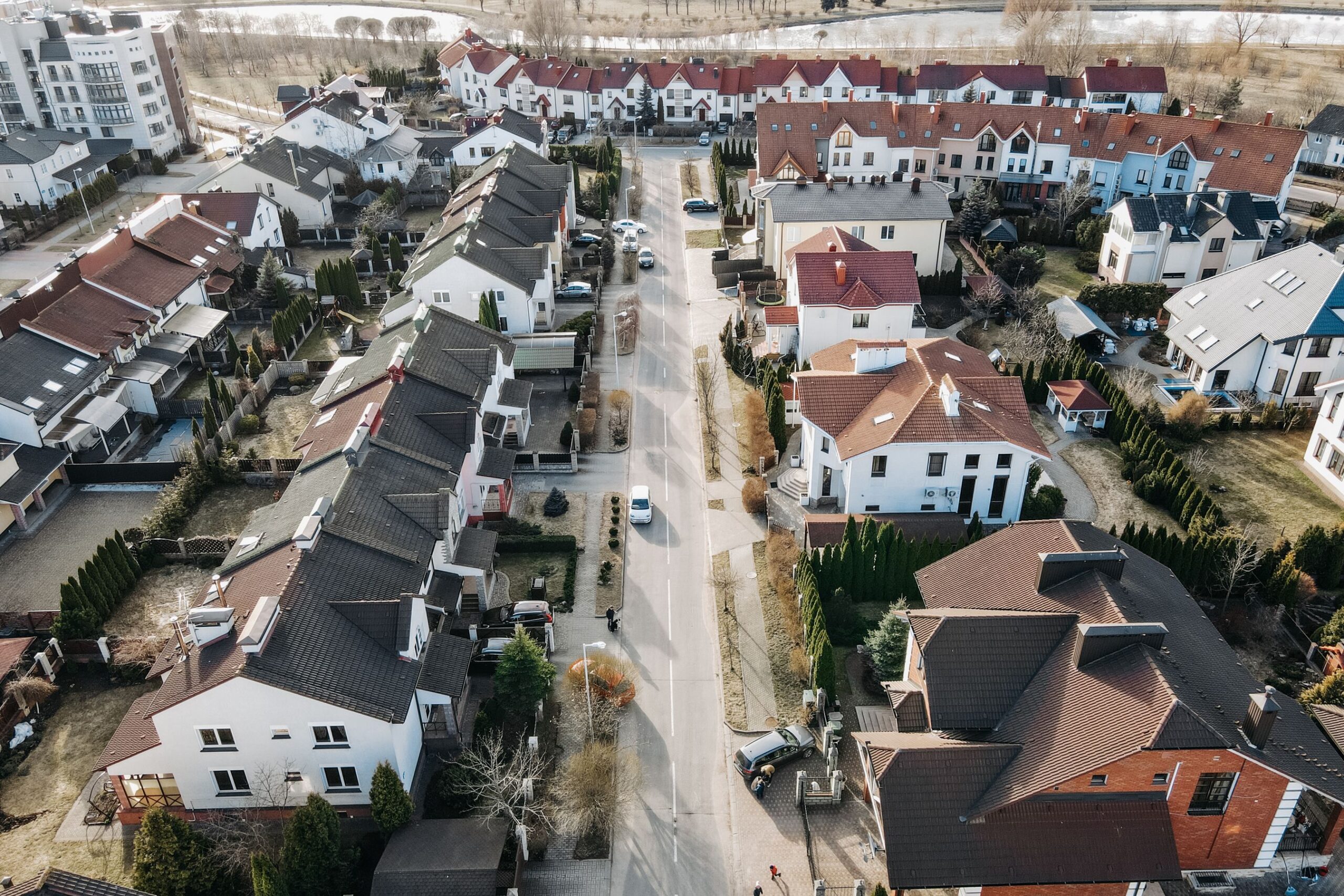
Skip the generic stuff. “5 tips for buying a home” is written a million times over and ranks nowhere. Your advantage is the hyper-local angle — the specific school district, the new development going in off Route 9, the property-tax quirk in your county. A national portal can’t write that. You can write it in twenty minutes because you live it.
How Long Before Blogging Actually Fills Your Pipeline
A new real estate blog typically starts producing leads in four to eight months, with momentum compounding after the first year. Low-competition local posts — niche neighborhood guides especially — can rank in weeks, while broader terms take longer. The agents who win treat the first six months as planting season, not a refund window.
This is where most agents quit, and it’s the most expensive mistake in real estate marketing. They publish four posts in January, see no leads by March, and conclude “SEO doesn’t work.” What actually happened is they stopped right before Google began trusting the site. Rankings build like a referral reputation — slowly, then all at once. For a realistic breakdown of the timeline, this guide on how long it takes to rank on Google lays out what to expect month by month.
The flip side is the part nobody mentions when they’re selling you on Zillow: a blog post that ranks keeps ranking. A neighborhood guide you wrote in spring can still be booking listing appointments two years later, working while you’re at a closing or asleep. Compare that to a paid lead, which exists for exactly as long as your card clears.

Owned Audience vs Rented Leads: Do the Five-Year Math
Over five years, blogging costs a fraction of paid leads and leaves you with an asset you own. Paid lead spend produces zero lasting value — stop paying and the leads stop the same day. A library of ranked content keeps generating inquiries long after it’s published, which is why the gap between the two models widens every year.

Run the numbers. An agent spending a conservative $1,500 a month on portal leads pays $90,000 over five years and owns nothing at the end — no audience, no rankings, no brand equity. The same agent investing in consistent content spends a fraction of that and finishes with dozens of pages that rank, a recognizable local name, and a lead source no competitor can outbid. One is rent. The other is a mortgage you eventually pay off.
This isn’t theory. A small local business publishing consistent SEO content can go from invisible to dominating its niche — TaipeiBJJ, a martial arts gym managed through RankOnRepeat, climbed from zero to over 1,100 monthly visitors purely on a daily publishing schedule. The mechanics are identical for a real estate agent: answer local questions, publish often, compound. If you’re weighing where to put your budget, our breakdown of SEO versus Facebook ads and the related case for blogging for mortgage brokers show the same pattern across adjacent industries.
How to Publish Consistently Without Turning It Into a Second Job
The agents who win with content aren’t better writers — they’re more consistent publishers. One genuinely useful post a week, every week, beats a burst of ten followed by silence. Google rewards sites that stay active, and a steady cadence signals you’re a current, working agent rather than a dormant page.

Here’s the honest catch: consistency is exactly where almost everyone fails. You’re showing houses, negotiating contracts, and answering texts at 9 p.m. — sitting down to research keywords and write a thousand words every week is the first thing that falls off the calendar. That’s not a discipline problem. It’s a time problem, and it’s the entire reason the rent-a-lead model survives.
You don’t have to choose between blogging and actually doing your job. If publishing SEO content every week sounds like too much work on top of running your business, RankOnRepeat handles the whole thing — keyword research, writing, and publishing — for a flat monthly fee, far less than a single month of portal leads. You can see exactly how it works and keep your time on closings, where it belongs.
Frequently Asked Questions
Does blogging really work for real estate agents?
Yes, when it’s local and consistent. Portals will always own broad listing searches, but agents can outrank them on neighborhood guides, market updates, and research questions buyers ask months before contacting anyone. Those rankings produce inbound leads at near-zero ongoing cost.
How many blog posts does a real estate agent need to rank?
There’s no magic number, but most agents see traction after 15 to 25 well-targeted local posts and real momentum past 40. Quality and local specificity matter far more than volume — one great neighborhood guide beats ten generic tip lists.
Is SEO better than Zillow for getting real estate leads?
For long-term cost and ownership, yes. Zillow gives you leads today but nothing lasting; content takes months to ramp but keeps producing for years. Many agents run both at first, then shift budget toward content as their rankings grow.
Can I use AI to write my real estate blog?
You can, but raw AI output rarely ranks because it lacks the local specifics Google rewards. The posts that win blend AI efficiency with real market knowledge — actual neighborhoods, prices, and details only a working agent knows.
References
- National Association of Realtors — 2025 Profile of Home Buyers and Sellers — buyer search-behavior statistics (46% start online, 52% find their home online).
- HousingWire — Is Zillow Premier Agent Worth the Cost? — Zillow Premier Agent average cost-per-lead figures.
- Clever Real Estate — How Much Are Zillow Leads? — metro vs non-metro lead pricing and monthly spend ranges.
- Google Search Central — Creating Helpful, People-First Content — guidance on the specific, expertise-driven content Google rewards.
Want content like this working for your business? RankOnRepeat writes, publishes, and manages your entire blog — keyword-targeted articles that attract clients and rank on Google, hands-free. Get started today → · Browse content samples
Published by the RankOnRepeat editorial team · Last updated: June 29, 2026 · How RankOnRepeat works