
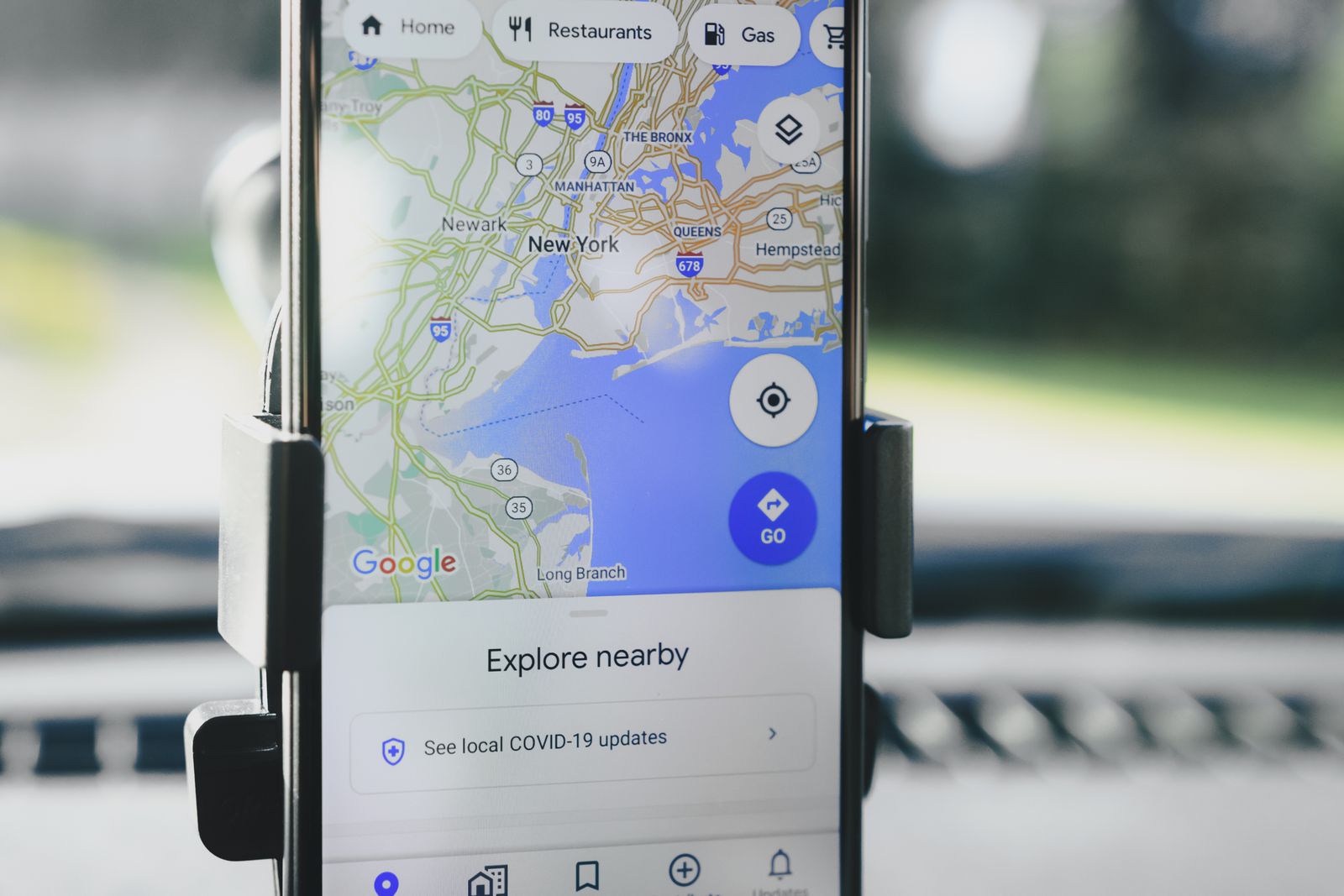
- Google Business Profile is the towing dispatcher’s real storefront — most emergency tow searches happen on a phone within a few miles of the breakdown, and the map pack decides who gets the call.
- “Near me” searches have grown roughly 900% in two years — a driver stuck on the shoulder isn’t comparing five quotes, they’re calling whoever shows up first.
- Blog content fills the gap apps can’t — city-specific pages, tow-type guides, and insurance/DMV explainers catch searches that a bare Google Business Profile never will.
- Lead platforms charge per call, SEO charges once — Angi and Thumbtack run $15–$100+ per lead regardless of whether the job closes; a ranking page keeps sending calls for free.
- Results build over 3–6 months, with “near me” and map pack visibility often moving faster than organic blog rankings.
Table of Contents
- Why Dispatch Apps Leave Money on the Table for Tow Operators
- How Local SEO for Towing Companies Wins Near-Me Searches
- What to Publish: Blog Topics That Actually Rank for Towing Companies
- Google Business Profile and the Map Pack: Where Calls Actually Convert
- SEO vs. Paying for Leads: The Real Cost Comparison for Tow Operators
- How Long Until a Towing SEO Strategy Starts Producing Calls
- Frequently Asked Questions
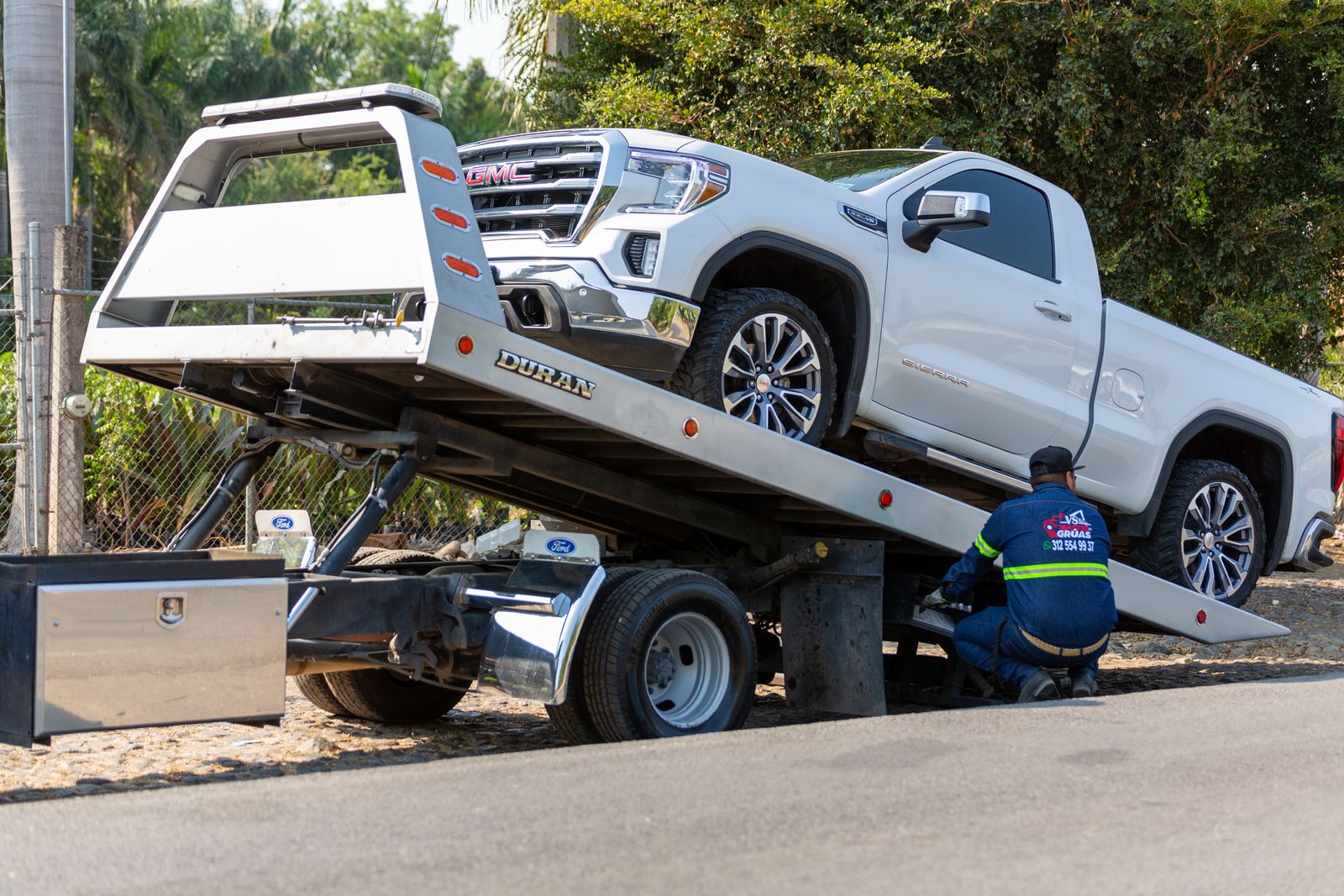
A driver stuck on the shoulder at 2 a.m. doesn’t compare five quotes. She opens Google, taps the first name with a phone number attached, and calls. Whoever owns that spot on the map gets paid — not necessarily the closest truck, not necessarily the cheapest one, just the one Google decided to show first. Most towing companies still hand that decision to a lead app, which is exactly why SEO for towing companies matters more than most operators realize.
Why Dispatch Apps Leave Money on the Table for Tow Operators
Dispatch apps and insurance networks pay per job, not per relationship — the moment you stop paying, the calls stop, and the customer never learns your company name.
Roadside assistance networks like Agero and Allstate’s contracted dispatch pay a flat rate per tow, often below what a direct customer would pay, and they own the customer relationship, not you. Same story with Angi and Thumbtack — you’re renting attention for the length of the subscription. Cancel it and your phone goes quiet the next morning, even if you towed two hundred cars for that network last year.
A Google ranking works differently. Once a city-specific page or a Google Business Profile listing sits in the top three results for “tow truck near me,” it keeps sending calls whether you spent money that week or not. The truth is, most towing operators who skip this aren’t saving money — they’re just paying Agero and Angi for leads instead of owning the channel themselves.
How Local SEO for Towing Companies Wins Near-Me Searches
“Near me” and “open now” searches have exploded — close to half of consumers say they add “near me” to local searches often or always, and Google treats a search like “tow truck” from a phone as local by default, city name or not.
This matters more for towing than almost any other trade on this list. Nobody researches tow companies in advance. There’s no comparison shopping, no reading five reviews before deciding — the person is standing next to a dead car with a bumper sticking into traffic. They search, they see three results, they call one. If your company isn’t in that first screen, you don’t exist for that call, full stop.
That’s also why paid search alone struggles here. Google Ads gets you into the map when you’re paying, but organic local SEO — a complete Google Business Profile, consistent name-address-phone data, real reviews, and a website built around the searches drivers actually type — keeps you there permanently.

What to Publish: Blog Topics That Actually Rank for Towing Companies
City and neighborhood pages catch the searches a homepage never will — “tow truck [suburb name],” “flatbed towing near [highway exit],” and similar geo-specific terms carry low competition and high intent.
Beyond city pages, a handful of content types consistently pull traffic for towing companies:
- Insurance and DMV explainers — “does my insurance cover towing,” “how to get a car released from an impound lot,” “what happens if you don’t pay a towing bill”
- Tow-type breakdowns — flatbed vs. wheel-lift, heavy-duty towing for RVs and box trucks, motorcycle towing
- Situational guides — what to do after a highway breakdown, how long a car can legally sit on a shoulder, winter towing and battery jump-start basics
- Local landmark and event pages — stadium and festival towing enforcement, downtown parking rules, snow-emergency towing schedules
None of this needs to read like a legal brief. A 900-word post answering “what happens if my car gets impounded” pulls in searchers who are anxious, Googling from a parking garage, and ready to call whoever answers the question clearly. That’s a warmer lead than almost anything a $60 Angi referral sends you.

Google Business Profile and the Map Pack: Where Calls Actually Convert
The map pack — the three business listings shown above organic results — is where most towing calls originate, and a complete, review-rich Google Business Profile is what gets you into it.
Fill out every field: service area, hours (24/7 if that’s accurate), photos of actual trucks and drivers, and a full list of services — light-duty, heavy-duty, motorcycle, long-distance. Keep your name, address, and phone number identical across your website, Google listing, and every directory you appear in; inconsistent NAP data is one of the most common reasons a listing quietly stops ranking. Then ask every satisfied customer for a review. A profile with 40 recent reviews at 4.8 stars beats a competitor with 12 reviews almost every time, even if that competitor has been in business longer.

SEO vs. Paying for Leads: The Real Cost Comparison for Tow Operators
Angi and Thumbtack charge $15 to $100+ per lead regardless of whether the job closes, while a ranking blog post or Google Business Profile listing keeps generating calls without a recurring per-lead bill.
Run the math on a single truck doing four tows a day. At even $40 a lead through a shared platform, and assuming half those leads actually answer the phone and book, that’s $320 a day just to keep the truck moving — before fuel, before the driver’s hourly rate, before insurance. A ranking Google Business Profile and a handful of city pages cost a flat monthly fee to maintain and don’t charge per call, whether that call comes in once or fifty times a day.
This isn’t an argument for abandoning every lead platform overnight — insurance dispatch contracts still fill slow hours for a lot of operators, and the SEO vs. Angi and HomeAdvisor comparison we ran for contractors generally holds true here too. But treating organic search as the backup plan instead of the primary channel is exactly backwards. It’s the one channel where the cost per call goes down the longer you invest, not up.

How Long Until a Towing SEO Strategy Starts Producing Calls
Map pack visibility for “near me” searches can shift in as little as 4–8 weeks once a Google Business Profile is fully optimized, while broader organic rankings for blog content typically take 3–6 months to mature.
The gap between those two timelines is why most towing companies should work on both at once. Fix the Google Business Profile first — it’s free, it’s fast, and it directly controls whether you show up in the map pack this weekend. Layer blog content on top of it so that by month four or five, you’re not just winning the near-me searches but also the insurance questions, the impound lot questions, and the “what to do after an accident” searches that a bare business listing never touches.
A pest control company we’ve covered on this site saw a similar pattern — early wins from the map pack, then a slower climb as content built up. The same logic applies to a fleet of tow trucks as it does to an auto detailing shop trying to fill its bay or a snow removal crew locking in winter contracts before the first storm hits. Consistency matters more than any single post — a BJJ gym in Taipei went from zero to 1,178 monthly visitors running the same daily-publishing approach, and towing follows the same curve: slow for six weeks, then compounding.
If publishing this kind of content every week sounds like more than your dispatch team has time for, RankOnRepeat handles the keyword research, writing, and publishing for a flat monthly fee — see how it works before your next slow season hits.
Frequently Asked Questions
How much does SEO cost for a towing company?
A managed SEO service for a single-location towing company typically runs a few hundred dollars a month, well below the $15–$100+ per lead charged by platforms like Angi or Thumbtack once you factor in call volume.
Is Google Business Profile enough, or do I need a website too?
Google Business Profile wins the map pack for near-me searches, but a website with city pages and service explainers is what captures the searches that don’t include your business name — insurance questions, impound lot questions, and tow-type comparisons.
Can SEO help with heavy-duty and specialty towing, not just passenger cars?
Yes — dedicated pages for heavy-duty, RV, and motorcycle towing rank for their own specific searches and tend to face less competition than generic “tow truck near me” terms.
Should I still use Agero or insurance dispatch networks if I invest in SEO?
Most operators keep both. Insurance dispatch fills slow hours at a fixed rate, while SEO builds a channel of direct customers you don’t have to split revenue with — the two work best together, not as a replacement for each other.
References
- BrightLocal, Local SEO Statistics — data on “near me” search growth and how often consumers add location qualifiers to searches.
- Google Search Central, Google Business Profile guidance — official documentation on optimizing local business listings for map pack visibility.
- AllBetter, Angi vs. Thumbtack vs. HomeAdvisor lead pricing — per-lead cost breakdown across major contractor lead platforms.
- TowMarX, Local SEO for Towing Companies — industry-specific map pack strategy and ranking timelines for towing operators.
Published by the RankOnRepeat editorial team · Last updated: September 23, 2026 · How RankOnRepeat works