- Water damage searches spike the moment a pipe bursts, not next week — the company that shows up first on Google for “water damage restoration near me” usually gets the call, regardless of how long they’ve been in business.
- Emergency-service searches carry almost no brand loyalty. A homeowner standing in two inches of water isn’t scrolling past page one — they’re calling the first legitimate-looking result.
- Most restoration companies still rely entirely on insurance adjuster referrals and Angi leads, which means the organic search results are wide open for anyone willing to publish.
- Content built around specific damage scenarios — burst pipes, sewage backup, storm flooding — ranks faster than generic “restoration services” pages because it matches what people actually type in a panic.
- A strong Google Business Profile plus a handful of scenario-specific articles is usually enough to compete with the national franchises that dominate paid ads in this space.
On this page
- Why water damage restoration is a different kind of local search
- Who is actually searching for a restoration company at 2am
- The blog topics that turn a stormy week into a booked week
- Your Google Business Profile decides who gets the call
- Why insurance-adjacent content builds trust before the phone rings
- How long before content starts producing calls
- Frequently asked questions
A burst pipe floods a kitchen at 11pm on a Tuesday, and the homeowner has maybe ninety seconds of panic before they open Google and type “water damage company near me.” Whoever ranks in that moment gets a job worth $3,000 to $8,000 with almost zero sales resistance. Most restoration companies never think about that search happening — they’re too busy answering the phone from the last one, or writing a check to the franchise that sold them their territory leads.
Why water damage restoration is a different kind of local search
Most local-service SEO advice assumes a slow decision — someone comparing three landscapers over a weekend, or reading reviews before booking a dentist. Water damage doesn’t work that way. The IICRC, the certifying body for the restoration industry, sets response-time standards specifically because mitigation within the first 24 to 48 hours prevents most mold growth — which means the homeowner is under real time pressure, not comparison-shopping pressure.
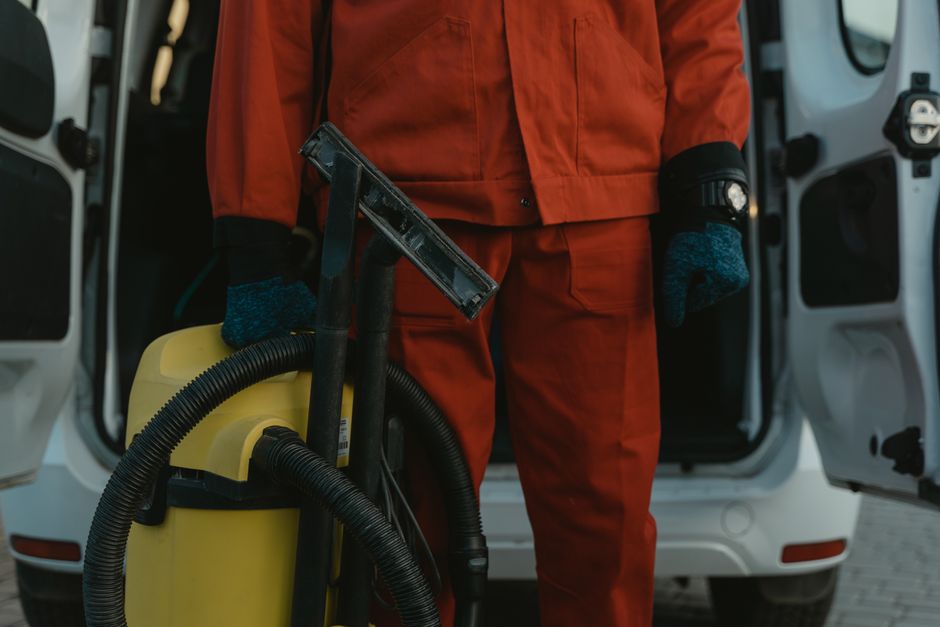
That urgency changes what ranks. A page stuffed with generic phrases like “professional restoration services you can trust” loses to a page titled around the actual disaster — burst pipe, washing machine overflow, sewage backup, storm flooding. Google rewards specificity here more than almost any other trade, because the search itself is specific. Nobody searches “restoration services.” They search what just happened to their house.
Who is actually searching for a restoration company at 2am
Three groups drive nearly all the volume, and they search differently. Homeowners mid-emergency type short, panicked phrases — “basement flooding what do I do,” “water heater burst emergency.” Property managers and landlords search calmer, more commercial phrases — “24 hour water extraction commercial,” “emergency restoration multiple units.” Insurance adjusters and agents, meanwhile, search for vetted vendors — “IICRC certified restoration company [city]” — because carriers increasingly require documentation from a certified provider before approving a claim.
Most restoration company websites write for none of these three groups specifically. They write one generic services page and hope it covers everyone. It doesn’t. The homeowner needs reassurance and a phone number above the fold; the adjuster needs certification and documentation language; the property manager needs proof you can handle multiple units on short notice. Three audiences, three different pages, three different rankings.
The blog topics that turn a stormy week into a booked week
The direct answer: write one article per disaster scenario, one per property type, and one per insurance question homeowners actually ask. “What to Do in the First Hour After a Pipe Bursts” captures the panicked homeowner searching before they’ve even called anyone. “Does Homeowners Insurance Cover Water Damage From a Burst Pipe?” captures someone deciding whether to file a claim at all — and if you answer that question honestly and well, you’re the name they remember when they do.
A company serving mostly rental properties should publish “What Landlords Need to Know About Water Damage Liability,” because that’s a search with real commercial intent and almost no competition. One serving a coastal or flood-prone region should own every storm name that hits the area — “Water Damage Cleanup After [Storm Name]” posts routinely spike overnight when a named storm makes landfall, and a company with three years of storm-specific posts already indexed has an enormous head start the week it matters most.

This is the same logic behind taipeibjj.com, a local service business in Taipei that went from zero to 1,178 monthly visitors by publishing daily content answering exactly what its local searchers were typing — a BJJ gym and a restoration company have more in common than either would guess, since both win by being the specific answer to a specific local question. If you want the mechanics of finding those low-competition questions in your own market, our piece on finding low-competition keywords walks through it step by step.
Your Google Business Profile decides who gets the call
Before any of that content ranks, the map pack decides most emergency calls, and the map pack runs almost entirely on your Google Business Profile plus your reviews. According to BrightLocal’s Local Consumer Review Survey, the large majority of consumers read reviews before trusting a local business, and for an emergency service where the customer has never heard of you and has minutes to decide, that review count and star rating often matters more than anything on your website.
Fill in every service area, list “24/7 emergency response” explicitly if it’s true, upload real photos of your crew and equipment, and ask every completed job for a review the same day the work finishes — not a week later when the homeowner has moved on. A profile with 80 reviews and a 4.8 average beats a nicer website with 6 reviews almost every time in this category.
Why insurance-adjacent content builds trust before the phone rings
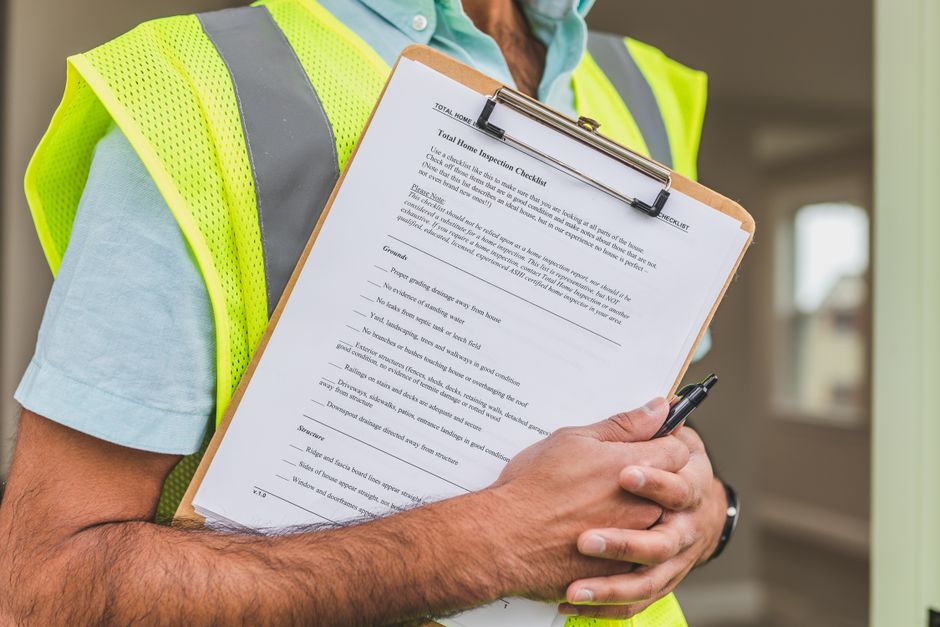
Here’s the piece most restoration companies skip entirely: content written for the insurance side of the transaction. A page explaining how the claims process works, what documentation an adjuster needs, and how FEMA’s National Flood Insurance Program claims are typically handled does two things at once. It ranks for a real cluster of searches from confused, anxious policyholders, and it signals to the reader that you understand their claim well enough to make the process less painful — which is exactly the trust signal that turns a first-time caller into a five-star review.
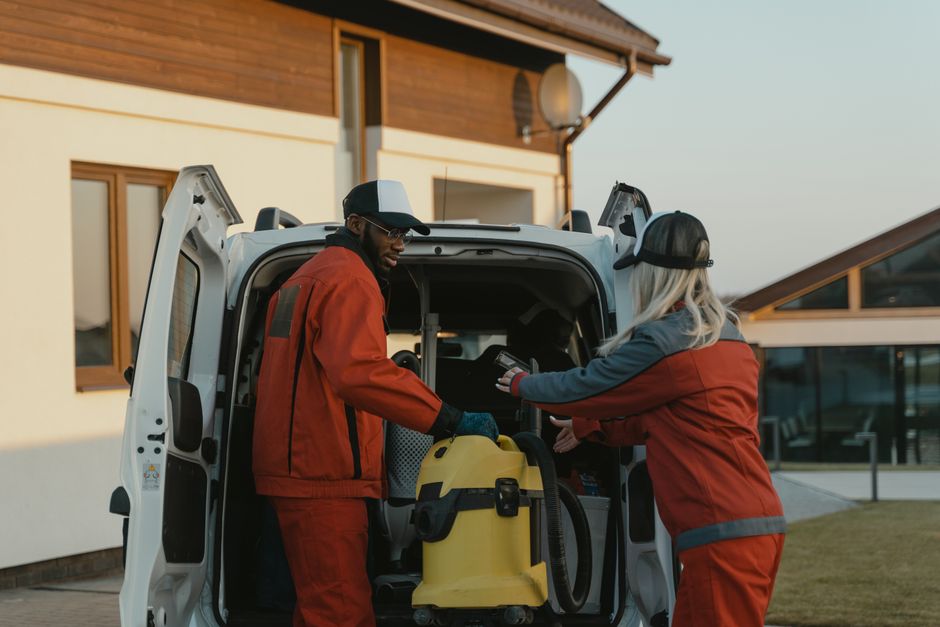
The truth is, most restoration companies aren’t losing business to better competitors — they’re losing it to franchises that simply publish more content and show up more often in the results, even when their actual mitigation work is no better. Content is the cheapest way to compete with a national brand’s marketing budget, because Google doesn’t care how many trucks the other guy has.
How long before content starts producing calls
The honest timeline: your Google Business Profile can produce calls within days if it’s fully built out, but blog content generally takes eight to twelve weeks to gain traction and four to six months to compound into a reliable stream of organic emergency calls. A company publishing one article a week typically sees its first rankings appear around week ten and a noticeable bump in call volume by month five or six.

That lag is exactly why most restoration companies quit after a dozen posts and nothing happens — and exactly why the ones who keep going for six months end up owning the results in their market, because everyone else already gave up. It plays out almost identically for related trades; our breakdown of SEO for storm-damage roofing jobs and our guide to SEO for plumbers chasing emergency calls both follow the same curve.
If keeping up with a weekly publishing schedule sounds like one more job on top of running crews and fighting with adjusters, RankOnRepeat handles the keyword research, writing, and publishing for a flat monthly fee, so the content keeps showing up in searches while you’re out on the job. Here’s how it works.
Frequently Asked Questions
Is SEO worth it for a water damage restoration company?
Yes — emergency-service searches convert at an unusually high rate because the person searching needs help immediately and rarely comparison-shops beyond the first few results. A handful of scenario-specific articles plus a complete Google Business Profile can produce a steady stream of calls without ongoing ad spend.
How much does SEO cost for a restoration company?
It ranges from free if you write it yourself to roughly $500 to $2,500 a month for done-for-you content, depending on how often you publish. Compared to pay-per-lead services that can charge $40 to $100 per shared lead, consistent SEO usually produces a lower cost per job within six months.
What should a restoration company blog about?
Write about specific disaster scenarios — burst pipes, sewage backup, storm flooding, appliance leaks — plus insurance claims questions and property-type-specific content for landlords or commercial property managers. Specific searches beat generic “restoration services” pages almost every time.
How fast can a restoration company rank for emergency searches?
Google Business Profile improvements can generate calls within days. Blog content typically needs eight to twelve weeks to start ranking and four to six months to become a consistent source of jobs, with results compounding the longer a company publishes.
References
- IICRC (Institute of Inspection, Cleaning and Restoration Certification) — industry certification and water damage response standards.
- FEMA National Flood Insurance Program — flood claims process and documentation requirements.
- BrightLocal Local Consumer Review Survey — how consumers evaluate and choose local service businesses.
- Google Search Central — creating helpful, people-first content for local search.
- U.S. Environmental Protection Agency — mold growth timelines following water intrusion.
Published by the RankOnRepeat editorial team · Last updated: July 22, 2026 · How RankOnRepeat works