
Key Takeaways
- One veneer patient can be worth $10,000–$20,000 — which is why a single blog post that ranks pays for itself many times over.
- Paid clicks in this niche are brutal — it costs about $6 just to reach someone shopping for a cosmetic dentist, and the SEO services dentists buy run north of $70 a click.
- Cosmetic keywords are shopped, not impulse-bought — patients research for weeks, which is exactly what blog content is built to capture.
- You don’t need 200 posts. A focused set of 25–40 articles on procedures, cost, and comparisons can own your local market.
- Results take 4–8 months, but the traffic compounds and doesn’t stop the day you stop paying — unlike ads.
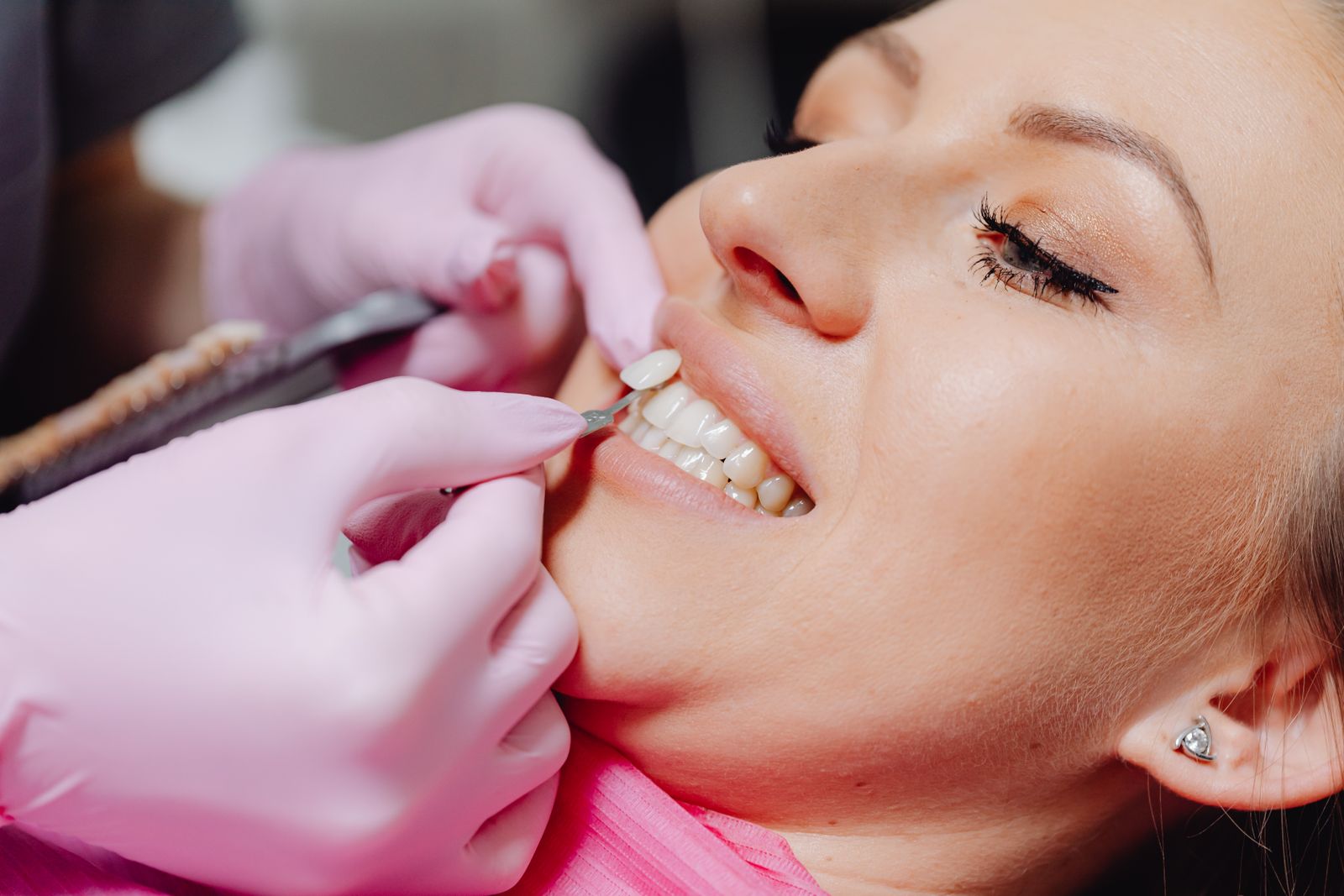
A single porcelain veneer runs $1,000 to $2,500, and almost nobody buys just one. A full smile makeover — six to ten veneers, sometimes paired with whitening and gum contouring — lands somewhere between $10,000 and $20,000 out of pocket, because insurance treats cosmetic work as elective and pays none of it. That’s the math that makes a cosmetic practice different from every other dental office: one patient walking through the door from a Google search can be worth more than a month of routine cleanings. And yet most cosmetic dentists are renting that traffic by the click instead of owning it. SEO for cosmetic dentists flips that — you build a library of content once, and it keeps sending high-intent patients for years.
Why cosmetic dentists overpay for patients they don’t keep
Here’s the uncomfortable part. When a cosmetic dentist buys Google Ads, they’re bidding against every other practice in a 20-mile radius for the same handful of keywords. Advertiser data from July 2026 puts the cost to reach someone just researching “cosmetic dentist marketing” at around $6 a click, and the specialized SEO services dentists themselves buy command over $70 per click — a signal of how much money is sloshing around this niche. Patient-facing terms like “veneers near me” or “smile makeover” sit in that expensive tier too, and every one of those clicks is a maybe. Someone comparing five practices clicks all five ads. You pay for all five clicks. One of you books the case.
The truth is, most cosmetic practices aren’t buying patients with their ad budget — they’re renting attention that disappears the second the card gets declined or the monthly cap is hit. A blog post that ranks for “how much do veneers cost in [your city]” does the opposite. It works at 2 a.m. when a prospective patient is lying in bed comparing prices, and it doesn’t charge you anything when they click.

What SEO for cosmetic dentists actually looks like
Quick answer: SEO for cosmetic dentists means publishing helpful, procedure-specific content — cost guides, before-and-after explainers, comparisons like veneers vs. bonding — so your practice ranks when patients research treatments on Google. Paired with a well-optimized Google Business Profile, it turns your website into a steady referral source that doesn’t bill you per lead.
It’s not keyword stuffing, and it’s not the thin 400-word pages a lot of “dental SEO” vendors churn out. Cosmetic patients are researchers. Someone weighing a $15,000 decision reads everything — how veneers differ from crowns, whether whitening works on their staining, what recovery looks like, how to spot a dentist who over-preps teeth. Every one of those questions is a page you can own.
The practices that win treat their website like a patient-education library, not a brochure. Google’s own guidance has been consistent on this: it rewards content written to genuinely help people, demonstrated expertise, and pages that answer the question fully. For a cosmetic dentist, that expertise is real and easy to show — you do these procedures every day. The problem is almost never knowledge. It’s that nobody has the time to write it down every week.
The blog topics that bring veneer and whitening patients in
Forget generic posts like “5 benefits of a nice smile.” They rank for nothing and convert no one. The topics that pull real consults are the ones a patient types when they’ve already decided they want the work and are figuring out the details. Cost, comparison, and candidacy — those three buckets do the heavy lifting.
A cosmetic practice ready to take blogging seriously should be working through a list that looks like this:
- Cost pages, localized: “How much do veneers cost in [city],” “Is teeth whitening worth it,” “Porcelain vs. composite veneers cost comparison.”
- Comparison pages: veneers vs. Lumineers, bonding vs. veneers, in-office whitening vs. take-home trays, Invisalign vs. veneers for a crooked smile.
- Candidacy and process pages: “Are you a good candidate for veneers,” “What to expect during a smile makeover,” “How long do veneers last.”
- Objection-handlers: “Do veneers ruin your teeth,” “Does teeth whitening damage enamel,” “Why are veneers so expensive.”
Each of these maps to a patient who is close to booking. The person googling “do veneers ruin your teeth” isn’t idly curious — they’re one reassuring, honest article away from picking up the phone. This is the same engine that grows local service businesses in completely different niches; a BJJ gym in Taipei went from zero to over 1,100 monthly visitors on daily SEO content, and the mechanics are identical: answer the exact question your future customer is typing.
How long before blogging fills your cosmetic schedule
Quick answer: Most cosmetic practices see meaningful organic traffic in 4 to 8 months of consistent publishing, with the first ranked keywords appearing around month two or three. Case volume from SEO builds slowly and then compounds — the articles you publish this quarter keep working two years from now.
Anyone promising you page-one rankings in 30 days is selling something. New content has to earn Google’s trust, and that takes months, not days. But the curve is worth understanding: nothing, nothing, nothing — then a trickle of long-tail rankings, then a real stream. By the time you’re a year in with a steady publishing habit, your site is competing for the money terms, and the cost per new patient keeps dropping because the content is already paid for.
The mistake practices make is quitting at month three because “it isn’t working.” It is working — it’s just early. We break the full curve down in our guide to how long SEO takes to work, but the short version for cosmetic dentists is this: publish consistently for two quarters before you judge it, and by quarter four you’ll wish you’d started a year earlier.
The local SEO half of the equation most practices skip
Blogging gets you found by people researching. Local SEO gets you found by people ready to book now — and cosmetic dentists leave a shocking amount of it on the table. BrightLocal’s consumer research has repeatedly found that the overwhelming majority of people use Google to evaluate local businesses before choosing one, and for a decision as personal as changing your smile, the reviews and photos on your Google Business Profile do half the selling.
The fundamentals here are unglamorous but decisive. Claim and fully complete your Google Business Profile. Add real before-and-after photos (with patient consent). Ask every happy veneer or whitening patient for a review, and actually respond to them. Keep your name, address, and phone number identical everywhere online. None of this is complicated — it’s just tedious, and tedious is exactly what busy practices deprioritize until a competitor with a weaker dentist and a stronger profile starts outranking them.
The reason local SEO and blogging work best together is that they cover both halves of the patient journey. The blog captures the researcher months out; the Business Profile closes the person searching “cosmetic dentist near me” tonight. Do one without the other and you’re fighting with one hand.
What this costs versus what you’re spending on ads now
Run the comparison honestly. If you’re spending, say, $3,000 a month on Google Ads at cosmetic-dentistry click prices, you’re getting a set number of clicks — and the moment you pause the campaign, the phone goes quiet the same day. That’s rent. You never build equity.
Consistent content is the opposite trade. You invest for a few months before it pays, but the asset you build keeps producing. A library of 30 to 40 well-targeted articles can carry a practice’s entire top-of-funnel, and it doesn’t reset to zero when you stop feeding it. We laid out the real math across service businesses in our breakdown comparing organic content to paid channels — the pattern holds for dentists: paid buys you today, content buys you every day after. This is the same logic that applies to blogging for orthodontists chasing Invisalign cases and plastic surgeons competing for high-ticket procedures — high case values plus expensive clicks make organic the smarter long-term bet.
The catch, and it’s the only real one, is consistency. SEO rewards the practice that publishes every week for a year, not the one that posts four articles in January and quits. That’s a genuine problem when you’re chairside 40 hours a week. It’s also exactly the problem that made us build a done-for-you content service in the first place — because the strategy isn’t the hard part for a dentist. The doing-it-every-week is.
If publishing SEO content every week sounds like one more thing you’ll never get to, that’s the whole point of handing it off. RankOnRepeat handles the keyword research, the writing, and the publishing for a flat monthly fee — the same daily-content engine that’s grown real local business sites from nothing to steady four-figure monthly traffic — so your practice builds an asset instead of renting clicks. You keep doing the dentistry. We keep the pipeline full.
Frequently asked questions
How much does SEO cost for a cosmetic dental practice?
Done-for-you content SEO typically runs a few hundred to a couple thousand dollars a month depending on publishing volume. Compared to cosmetic-dentistry ad clicks that can cost several dollars each, the math favors content quickly once a single veneer case is worth five figures.
Do I need to blog if I already run Google Ads?
Ads and SEO solve different problems. Ads buy visibility today but stop the moment you stop paying; blogging builds an asset that keeps ranking for years. Most cosmetic practices get the best return running a lean ad campaign while building organic content underneath it.
How many blog posts does a cosmetic dentist need to rank?
You don’t need hundreds. A focused library of 25 to 40 articles covering procedure costs, comparisons, and candidacy questions can dominate a local market. Depth and consistency beat sheer volume every time.
Will AI-written blog content hurt my dental practice’s rankings?
Google judges content by quality and helpfulness, not by how it was produced. Well-researched, accurate, genuinely useful articles rank whether a human or an AI-assisted process wrote them. Thin, generic content fails either way — the bar is usefulness, not authorship.
Want content like this working for your business? RankOnRepeat writes, publishes, and manages your entire blog — keyword-targeted articles that attract clients and rank on Google, hands-free. Get started today → · Browse content samples
Published by the RankOnRepeat editorial team · Last updated: July 11, 2026 · How RankOnRepeat works
References
- Google Search Central — guidance on creating helpful, people-first content that Google rewards.
- BrightLocal Local Consumer Review Survey — data on how consumers use Google and online reviews to choose local businesses.
- American Academy of Cosmetic Dentistry — professional reference on cosmetic procedures, veneers, and patient demand.
- Google Business Profile Help — official documentation for claiming and optimizing a local business listing.
- Advertiser cost-per-click data (DataForSEO, July 2026) — U.S. paid-search benchmarks for cosmetic-dentistry and dental-SEO keywords.