
- The average mold remediation job runs $1,500–$4,500 — making organic search leads dramatically more profitable than pay-per-call services charging $100–$150 per contact.
- Mold remediation is one of the least-competed local SEO niches in home services — most operators have no content strategy and basic websites with no blog.
- Emergency search intent converts fast — homeowners who discover mold call the first company in Google results within minutes of searching.
- Google Business Profile is the fastest early win — right service categories, steady review flow, and real job-site photos can push you into the local 3-pack within weeks.
- A pillar page plus 5–8 supporting articles is all it takes to build topical authority and rank for the full range of mold-related searches in your city.
Table of Contents
- Why Mold Remediation Is One of the Best Local SEO Niches Right Now
- What Homeowners Actually Search When They Find Mold
- The Local SEO Foundation Every Remediation Company Needs
- The Content Strategy That Builds a Predictable Lead Pipeline
- Why Remediation Companies Rank Faster Than Most Service Businesses
A homeowner finds black mold behind the bathroom tiles on a Saturday morning. By noon they’ve Googled “mold remediation near me” and called the first three companies in the results. That job — worth $2,000 to $4,500 — goes to whoever shows up on Google, not whoever has the nicest truck. Most mold remediation companies are still paying lead services $100 to $150 per call to get in front of those homeowners. They don’t have to. This niche is one of the least-contested in home services, and the window to claim it is still wide open.
Why Mold Remediation Is One of the Best Local SEO Niches Right Now
Mold discovery is almost always urgent. Homeowners don’t browse reviews for six weeks before calling — they search, they scan the top results, and they call. That urgency drives high-intent traffic that converts at rates most content niches can’t match. According to BrightLocal’s Local Consumer Review Survey, 98% of consumers used the internet to find information about a local business in the past year. [1] Yet the number of mold remediation companies actively publishing SEO content remains remarkably low.
The economics are exceptional. Unlike a $150 carpet cleaning, mold jobs are often insurance-adjacent — when there’s a water event, homeowners contact their insurer and then search for a certified remediation contractor. That workflow means average ticket sizes run $3,000 to $8,000 for larger water damage situations. A single page ranking for “mold remediation [your city]” can pay for a full year of content strategy within its first month generating leads.
There’s one more structural advantage: most local competitors have five-page websites, no blog, and titles like “Welcome to XYZ Mold Solutions.” You’re not racing a sophisticated SEO machine — you’re competing against inertia.
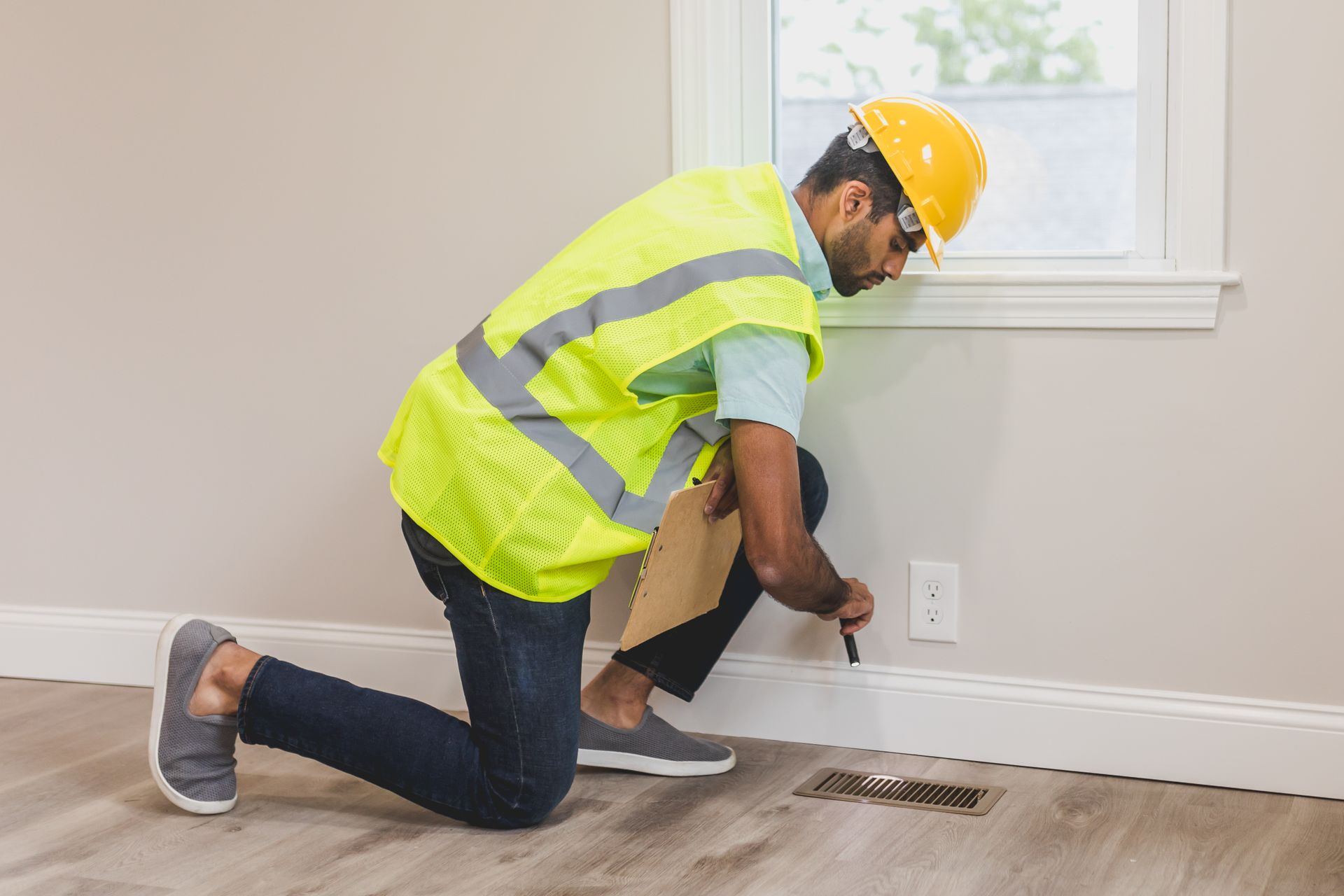
What Homeowners Actually Search When They Find Mold
“Mold remediation near me” is the obvious keyword. But panicked homeowners often search the problem before they know what the solution is called. The queries that drive the most qualified traffic in this niche tend to be symptom-specific:
- “black mold in bathroom ceiling what to do”
- “mold behind drywall remediation cost”
- “how much does mold remediation cost”
- “is black mold dangerous to remove yourself”
- “mold after water damage how long”
- “certified mold inspector [city]”
Most of these have almost zero local competition. A 1,200-word article answering “How Much Does Mold Remediation Cost?” — with real numbers and a clear call to action — will consistently outrank generic national pages because Google rewards local relevance for queries with local intent. Each query is a separate article and a separate entry point for a homeowner to find your company.
The Local SEO Foundation Every Remediation Company Needs
Before content makes any difference, the foundation has to be right. Your Google Business Profile (GBP) is what appears in the map pack — the three businesses shown above organic results — and that’s where emergency searchers click first. For a mold remediation company, GBP optimization is non-negotiable: correct primary category (typically “Water Damage Restoration Service” or “Mold Remediation Service”), complete service area coverage, at least 10 reviews with owner responses, and photos of real job sites rather than stock images.
On your website, a few technical signals matter most. Google has confirmed that page experience factors — load speed, mobile usability, and HTTPS — are direct ranking signals. [2] A site that loads in four seconds on mobile will underperform a competitor’s faster site even with better content. For the full mechanics of how Google’s map pack works, this guide on ranking in Google Maps covers the complete process.

The Content Strategy That Builds a Predictable Lead Pipeline
One optimized homepage won’t rank your company for the 40+ distinct queries mold homeowners type into Google. You need a content layer — not generic tips, but articles targeting the exact questions your future customers are already searching. A practical content plan starts with one pillar page: “Mold Remediation: A Homeowner’s Complete Guide.” This 2,000-word resource covers what mold is, health risks, when to call a professional, what remediation involves, and what certification to look for. Around it you build 5–8 supporting articles, each capturing a different query.
This is the same structure that pushed a BJJ gym in Taipei from zero to 1,178 monthly visitors through consistent publishing — the compounding effect applies equally to a service business in any niche. For a deeper look at building this kind of interlocking content, this breakdown of pillar pages for local business walks through the full approach. The mistake most remediation companies make is writing one “About Mold” page and calling it a strategy. Depth and consistency beat a single well-crafted page every time. [3]

Why Remediation Companies Rank Faster Than Most Service Businesses
Competition in mold remediation SEO is genuinely thin. Most local competitors have basic websites and no content strategy. The bar to outrank them isn’t high — it just requires consistency over 6–9 months.
The second structural advantage is earned media. Insurance companies reference remediation contractors. Local news covers mold outbreaks after flooding. Real estate agents reference inspection requirements before closings. These are natural link-building opportunities that most industries have to manufacture — in remediation, they come with the territory.
There’s also the review velocity effect. A company completing 30–40 jobs per month has 30–40 chances to request a Google review. High review velocity is a direct ranking signal for GBP. An HVAC company running a similar approach through this SEO strategy moved from page two to the local 3-pack within eight months. Mold remediation — with higher urgency and thinner competition — moves faster.
The math isn’t subtle. If you’re paying $120 per lead to a shared-lead service and closing 30% at a $3,000 average job, you’re spending roughly $400 in acquisition cost per closed project. An SEO-generated lead from an article published once costs effectively nothing after month five. That’s not a marginal improvement — it’s a different business model.

Frequently Asked Questions
How long does SEO take to work for a mold remediation company?
Most remediation companies see meaningful traffic increases within 4–6 months of consistent content publishing and GBP optimization. The emergency-search nature of the niche means high-intent traffic often arrives faster than in industries with stronger organic competition — there simply aren’t many well-optimized local competitors to beat.
What are the most important keywords for mold remediation SEO?
Start with “mold remediation near me,” “mold removal [city],” and “black mold remediation cost.” Then build supporting content around problem-specific queries: “mold after water damage,” “is black mold dangerous to remove yourself,” and “certified mold inspector [city].” These convert because the searcher already knows they have a problem — they’re not browsing, they’re ready to call.
Should I use Google Local Services Ads or focus on organic SEO?
Both, if budget allows. LSAs for mold remediation typically run $50–$120 per verified lead and stop the moment you pause spending. Organic rankings are durable — a page ranking for “mold remediation [city]” generates calls whether or not you’re actively advertising. Use LSAs short-term while organic rankings build.
How much content do I need to publish to start ranking?
A realistic baseline is one pillar page plus five supporting articles, published consistently over two to three months. That’s enough content to establish topical authority in most mid-size markets. Larger cities with stronger competition may need 10–15 pieces before you see consistent movement.
If running a content strategy on top of a full remediation schedule sounds like too much, RankOnRepeat handles everything — keyword research, writing, and publishing — for a flat monthly fee. No per-lead charges, no long-term contracts. Learn more about how it works here.
References
- BrightLocal — Local Consumer Review Survey — Annual research on how consumers discover and evaluate local businesses online.
- Google Search Central — Page Experience Ranking Signals — Official documentation on how speed, mobile usability, and HTTPS affect Google rankings.
- U.S. Environmental Protection Agency — Mold Resources — EPA guidance on mold health risks, remediation standards, and when to hire a professional.
- Angi — Mold Remediation Cost Guide — National cost benchmarks for mold remediation and removal services, updated annually.
- Search Engine Land — Local SEO Ranking Factors — Research on the signals that determine local search rankings, including GBP signals and review velocity.
Published by the RankOnRepeat editorial team · Last updated: August 26, 2026 · How RankOnRepeat works