
- The average bathroom remodel costs $12,146 according to Angi’s survey of 10,000+ real customers — homeowners searching Google for a remodeler are in active buying mode, not casual browsing.
- Bathroom remodeler SEO is less competitive than it looks — most markets have one or two competitors doing real SEO work, and a basic strategy can put you on page one within 90 days.
- Portfolio content is your biggest differentiator — before-and-after project photos, embedded on service pages, do more for conversion than any headline you write.
- Your Google Business Profile drives the first call — reviews, photos, and service details determine whether you show up in the local 3-pack before the homeowner ever sees your website.
- Cost and material content converts early — articles answering “how much does a master bath remodel cost in [city]” reach homeowners months before they call a contractor, and the one who answers gets the first conversation.
A homeowner in suburban Phoenix just Googled “bathroom remodel contractors near me” and is calling three companies right now. According to Angi’s survey of over 10,000 real customers, the average bathroom remodel runs $12,146 — and a master bath renovation can push $35,000 or more. That’s not a small decision. Homeowners doing this search have thought about it for weeks and are ready to get quotes.
The contractors they call are rarely the ones with the biggest crews or the longest track record. They’re the ones who show up on Google. In most mid-sized markets, fewer than five bathroom remodelers are running any real digital strategy — which means the bar to reach page one is lower than you’d expect.
Why Bathroom Remodelers Are Sitting on an Untapped Google Opportunity
Kitchen remodelers and general contractors get more SEO attention because the projects are larger. But bathroom remodeling — high ticket size, strong local intent, clear search patterns — is actually easier to rank for in most markets.
Most bathroom remodelers don’t invest in digital marketing. They rely on referrals, Houzz listings, and Angi leads that cost $40 and convert at 5% on a good day. The businesses ranking right now are mostly doing so by default — a passable website with no ongoing effort. Beating that bar takes deliberate work, not a large budget.
The Three Search Surfaces That Drive Bathroom Remodel Leads
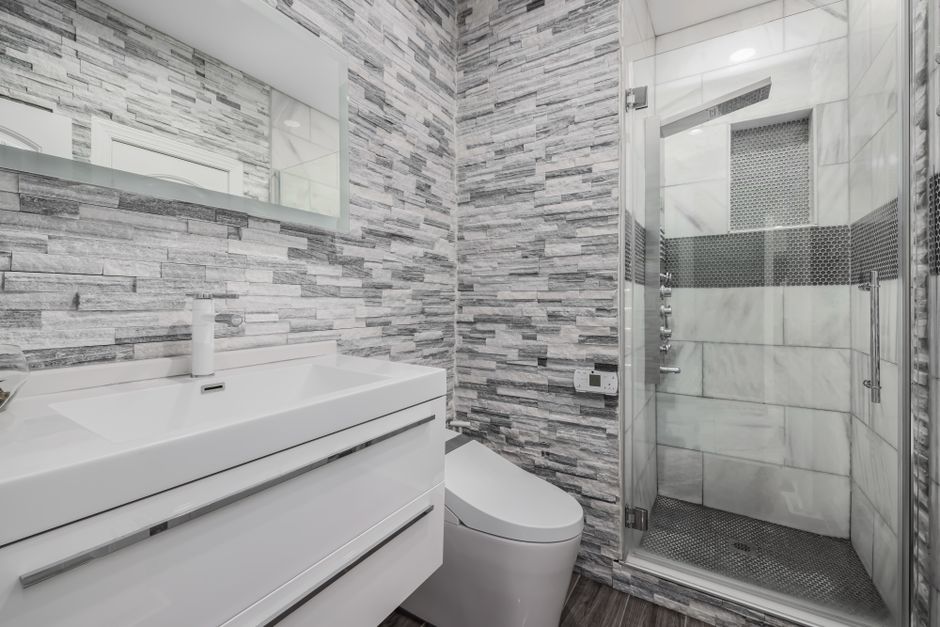
Not every Google result works the same way. Bathroom remodel searches typically trigger three distinct surfaces, and appearing across all three multiplies your exposure at every stage of the buyer journey.
The local 3-pack — the map with three pinned businesses at the top — captures the highest-intent searches. Someone searching “bathroom remodeler near me” is ready to get quotes, and the 3-pack is often the last thing they look at before picking up the phone. This surface is driven entirely by your Google Business Profile, not your website, so it’s a separate track from organic SEO.
Below the 3-pack, organic results from service pages and blog content catch homeowners comparing options — reading about your process, reviewing your portfolio, and checking whether you do the specific type of work they need. AI Overviews now also appear for planning-stage queries like “how much does a bathroom remodel cost in Atlanta” — Google pulls these from well-structured articles, and getting cited there earns trust before the homeowner has clicked on anything.
Your Google Business Profile: What Actually Moves Rankings
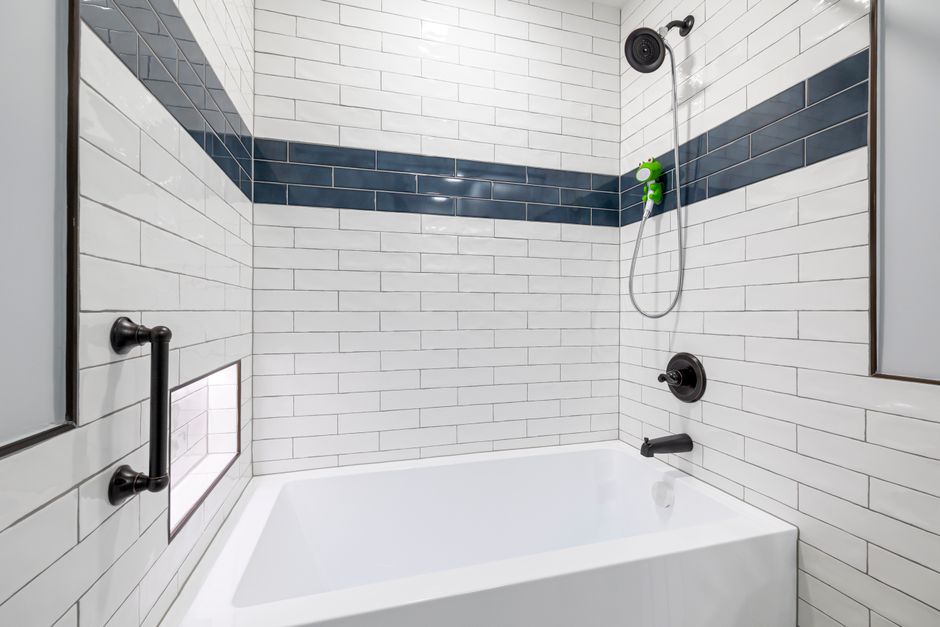
Most remodelers have a Google Business Profile that’s technically active but functionally invisible. The profile was set up once, has a handful of reviews from 2022, and hasn’t been touched since. That profile is not competing in the local 3-pack.
Project photos are the most underused lever. Google’s local algorithm rewards profiles with consistent, recent photo activity. Upload at minimum 20 photos covering different bathroom styles — tile work, walk-in showers, double vanities, master bath full renovations, half-bath refreshes. After each completed job, add three to four photos before you’ve even sent the final invoice. The goal is to look actively maintained, not like a business that finished its setup in 2021 and moved on.
Review recency matters more than volume. Forty reviews from three years ago loses to 18 reviews from the past six months in most local ranking comparisons. A simple post-project text asking for a Google review takes 30 seconds to send and most satisfied clients will act on it.
List services explicitly: bathroom remodeling, shower installation, tile work, vanity replacement, tub-to-shower conversion, wet room design. Fill out the Q&A section with what homeowners actually ask: “Do you handle permits?” “What’s your typical timeline?” “Do you do partial renovations?”
For a complete walkthrough of the Maps ranking side of local SEO, see the guide on how to rank in Google Maps.
Service Pages That Win Remodel Quotes
A generic “Services” page with a bulleted list of everything you offer is not going to rank for anything specific — and “specific” is where bathroom remodel leads come from. The homeowner searching “walk-in shower conversion contractor Nashville” is not landing on a page that also talks about general remodeling, kitchen work, and outdoor decking. They need a page that’s entirely about walk-in shower conversions, ideally in Nashville.
Dedicated pages for each major service type — tub-to-shower conversions, master bath remodels, tile installation, wet room design, half-bath updates — combined with city-specific landing pages create an indexable map of what you do and where you do it. Each page should answer the questions homeowners search before calling: what does this project involve, what does it typically cost, and how long does it take?
Portfolio photos embedded on service pages are non-negotiable. Before-and-after shots and completed room photos do more to overcome hesitation than any written copy. A homeowner choosing between two contractors picks the one whose work they’ve already seen. The same portfolio-first logic applies to SEO for kitchen remodelers.
The full playbook for building service pages that rank is covered here: how to write service pages that rank on Google.
The Blog Content That Reaches Homeowners Early
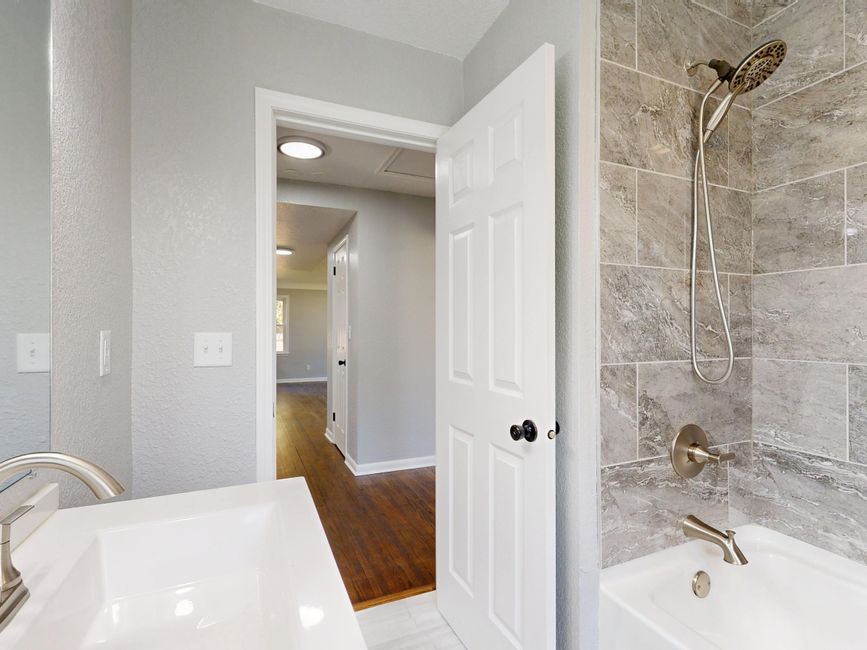
The homeowner about to spend $15,000 on a master bath renovation started researching months ago — searching “how much does a bathroom remodel cost” and “subway tile vs large format tile” long before she typed “bathroom remodeler near me.” The contractor whose article answered those early questions is already in her head when she picks up the phone.
Content that consistently performs for bathroom remodelers: cost breakdowns by scope and city, material comparisons (tile types, vanity styles, shower systems), permit requirements by jurisdiction, project timelines, and diagnostic articles about what needs to be replaced vs. refreshed. None of this requires expert writing — it requires answering specific questions that real homeowners are asking, clearly and without padding.
The compounding effect is real. An archery retailer managed through RankOnRepeat hit 1,103 monthly sessions by publishing consistent content on specific product topics. A remodeler who answers cost and material questions homeowners search months before hiring builds the same pipeline — except each converted visitor is worth $10,000+ in project revenue.
What to Expect in the First 90 Days
Bathroom remodeler SEO timelines are faster than most home service categories. In most markets, fewer than five remodelers compete for page-one organic positions — ranking takes 6–10 well-built pages and consistent content, not years of link building.
A cleaned-up GBP with active photo updates and review requests moves into the local 3-pack within 30–45 days. Dedicated service pages begin ranking for long-tail searches by weeks 6–8. Blog content starts surfacing in AI Overviews around month three. One additional $15,000 project per month from organic search covers a serious content operation many times over — the competitor landscape in this category is still largely ignoring digital, which makes the math unusually forgiving.
Frequently Asked Questions
How long does it take a bathroom remodeler to rank on Google?
Local 3-pack movement typically starts within 30–45 days of optimizing a Google Business Profile and gathering recent reviews. Organic rankings from service pages take 60–90 days, depending on local competition.
What keywords should a bathroom remodeler target first?
Start with “[service] + [city]” combinations: “bathroom remodeler Austin,” “walk-in shower installation Dallas,” “master bath renovation Nashville.” These are high-intent, low-competition terms in most mid-sized metros. Expand to cost and material comparison keywords as the content library grows.
Does a bathroom remodeler need a big website to rank on Google?
No. A focused site with 8–12 well-built service and location pages consistently outranks larger sites with thin content. Google rewards specificity. A page built around “tub-to-shower conversion in [city]” beats a generic Services page reliably.
Is SEO worth the investment for a bathroom remodeling business?
At an average project value of $12,000–$35,000, one additional job per month from organic search more than covers professional SEO and content management. The question isn’t whether it’s worth it — it’s how long you want to keep paying Angi $40 per unvetted lead while competitors rank for free.
If managing service pages, blog content, and keyword research alongside running an active remodeling business sounds like the wrong use of your time, RankOnRepeat handles all of it — keyword research, writing, and publishing — for a flat monthly fee. One additional project per month typically covers it.
References
- Angi — How Much Does a Bathroom Remodel Cost (2026) — Survey of 10,000+ real customers; national average $12,146, range $2,500–$30,000.
- Google Search Central — SEO Starter Guide — Official guidance on how Google indexes and ranks local service business content.
- This Old House — Bathroom Remodel Cost 2026 — Breakdown of costs by scope, material type, and project scale.
- BrightLocal — Local Consumer Review Survey — Review recency and volume impact on local 3-pack rankings.
- Ahrefs — Local SEO Guide — Keyword difficulty benchmarks and content strategy for local service businesses.
Published by the RankOnRepeat editorial team · Last updated: August 25, 2026 · How RankOnRepeat works