
- Chimney sweeping is a seasonal, high-urgency search category — searches for “chimney sweep near me” and “chimney inspection cost” spike every September through November, right before the heating season NFPA and CSIA both recommend inspections for.
- There are an estimated 25,000 chimney fires a year in the US, and most start in chimneys that were never inspected — that fear is exactly what drives the search behavior sweeps can capture with content.
- 97% of homeowners read reviews before hiring a local service company, but reviews alone don’t get you found — you still need pages that rank for what people are actually typing into Google.
- Angi and HomeAdvisor leads for chimney work often run $35–$60 each, shared with three or four other sweeps bidding on the same job.
- A handful of focused blog posts, published consistently, can out-rank national lead-gen sites for local, low-competition searches most chimney companies never bother targeting.
Table of Contents
- Why Chimney Sweep Companies Keep Renting Their Own Customers
- What Homeowners Are Actually Typing Into Google
- What Google Rewards on a Local Service Site
- The Keywords Worth Building Pages Around
- Building a Content Calendar Around the Heating Season Rush
- SEO vs. Paying Angi and HomeAdvisor for Chimney Leads
- How Long Before a Chimney Sweep Company Sees Results
- Frequently Asked Questions
A CSIA-certified sweep in Ohio told me last winter he turns away work every October and still can’t fill his April calendar. That’s not a demand problem. That’s a distribution problem — his entire pipeline runs through Angi and word of mouth, both of which dry up the second the weather warms up. Chimney sweeping is one of the most searchable, most seasonal, least-SEO’d trades in home services, and almost nobody in it is writing content.
Why Chimney Sweep Companies Keep Renting Their Own Customers
Most chimney sweep businesses are small — one or two trucks, a certification or two, a Google Business Profile they set up years ago and never touched again. When the phone goes quiet, the default move is to buy more leads from Angi or HomeAdvisor. It works, sort of. It also means paying $35 to $60 per lead for a customer who’s also getting quotes from two competitors on the same platform, for a job that might net $250.
The irony is that chimney sweeping has one of the clearest, most predictable demand curves in home services. Nobody searches “chimney sweep” in July out of curiosity. They search because a pilot light won’t stay lit, because they smell soot, or because their homeowner’s insurance renewal asked about the last inspection date. That’s high-intent traffic sitting there every fall, and most local sweeps have zero content built to catch it.

What Homeowners Are Actually Typing Into Google
“Chimney sweep near me” is the obvious one, and it’s also the one every competitor is already fighting over in the map pack. The pages that actually move the needle are the ones nobody else bothered to write: “how much creosote buildup is dangerous,” “chimney cap replacement cost,” “why does my fireplace smell like smoke when it’s off,” “do I need a chimney liner inspection before selling my house.” Each of those gets real monthly search volume in most metros, and each one answers a specific fear or confusion a homeowner has before they’ve decided to call anyone.
This is the same gap RankOnRepeat clients in other trades exploit constantly — a masonry contractor targeting the exact repair questions homeowners search pulls in leads that never touch a lead-gen platform. Chimney work sits at the intersection of masonry, HVAC, and fire safety, which means the keyword surface area is bigger than most sweeps realize.
What Google Rewards on a Local Service Site
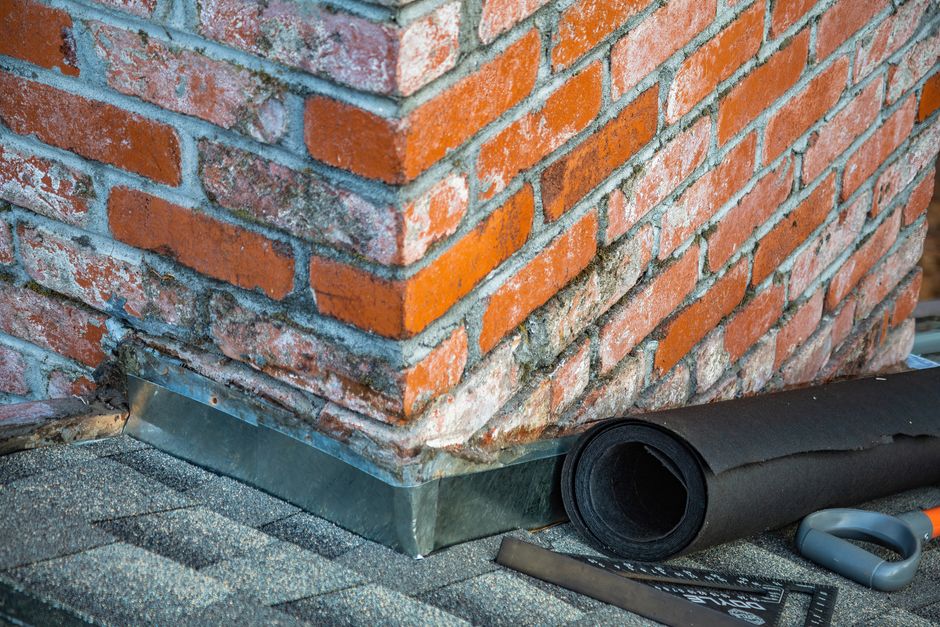
Google doesn’t rank chimney sweep sites because they have a nice logo. It ranks pages that directly answer a specific local search, backed by a site that publishes consistently and has real reviews tied to it. Google’s own guidance on helpful content puts it plainly: content should demonstrate real experience, not just repeat what’s already ranking. For a chimney company, that means photos from actual jobs, specific pricing ranges for your service area, and answers written by someone who’s actually climbed on a roof — not a rewritten version of a national competitor’s page.
Review volume matters here more than almost any other trade, since fire and safety work carries real trust stakes. A 2026 BrightLocal survey found 97% of consumers read reviews before hiring a local business, and CSIA certification badges displayed on-site do measurable work convincing a nervous homeowner to book. Content and reviews aren’t separate strategies — the blog posts are what get a site found, and the reviews are what convert the click.
The Keywords Worth Building Pages Around
Skip “chimney sweep” as a standalone target — it’s dominated by Angi, HomeAdvisor, and Yelp listings you can’t out-rank with a service page alone. The openings are one level down: creosote buildup symptoms, chimney cap installation cost, chimney liner repair vs. replacement, animal removal from a chimney, wood-burning vs. gas fireplace maintenance differences, and pre-listing chimney inspections for home sales. None of these are glamorous. All of them convert, because the person searching already has a problem and is three clicks from calling someone.
- Creosote and safety questions — “is creosote dangerous,” “how often should a chimney be swept,” “signs of a chimney fire”
- Cost and comparison questions — “chimney sweep cost,” “chimney cap vs. chimney cover,” “chimney liner replacement cost”
- Seasonal urgency questions — “chimney inspection before winter,” “when to schedule chimney cleaning”
- Real estate crossover questions — “chimney inspection for home sale,” “does homeowners insurance require chimney inspection”
Building a Content Calendar Around the Heating Season Rush
Chimney sweeps get one real shot at organic traffic each year, and it starts in late August. Google needs weeks to crawl and rank new pages, so publishing “chimney inspection checklist” content in October — when everyone’s already calling — is too late. The posts need to go live in August and September so they’ve had time to rank before the search volume peaks. NFPA estimates roughly 48,530 home heating fires a year, with fireplaces and chimneys contributing to nearly half, which is exactly the fear-driven search spike a well-timed post is built to catch.
A realistic cadence looks like two to three posts a week from August through October, tapering to one a week in the off-season to keep the site active and avoid the ranking decay that comes from going quiet for six months. The off-season posts can cover slower-burn topics — gas insert conversions, spring cap inspections, masonry repair — that don’t need the same urgency but keep the domain fresh.

SEO vs. Paying Angi and HomeAdvisor for Chimney Leads
Run the math on a single lead-gen platform lead: $45 average cost, shared with two to three competitors, maybe a 25% close rate if your pricing and speed-to-call are sharp. That’s roughly $180 in ad spend per booked job before you’ve swept a single flue. A ranking blog post costs nothing per click once it’s live, and it keeps generating calls for years without a renewed invoice. The trade-off is time — SEO takes months to build, Angi delivers leads this week — which is exactly why most sweeps default to paid leads and never build the organic asset underneath it.
The smart move isn’t choosing one over the other. It’s running paid leads while the content compounds in the background, then dialing back ad spend once organic starts carrying its share of the calendar. That’s the same pattern that shows up in contractor businesses weaning off Angi and HomeAdvisor once their own content starts outperforming rented leads — and the seasonal-service comparison holds for snow removal companies locking in contracts before the first snowfall, another trade where timing content to a hard seasonal deadline is the whole game.

How Long Before a Chimney Sweep Company Sees Results
Realistically, three to four months from first post to first organic-sourced call, assuming consistent publishing and a Google Business Profile that isn’t neglected. Chimney sweeping’s advantage is low content competition — most of the sites you’re up against are national directories and a handful of regional competitors with a single static service page, not other content-heavy local blogs. That means a sweep who commits to a real publishing schedule for one heating season is often ranking above competitors twice their size by the second year, purely because nobody else showed up to compete for the long-tail questions.
A Taipei martial arts gym on RankOnRepeat’s own client roster went from zero to 1,178 monthly visitors with daily SEO content and no paid ads — proof that consistency matters more than budget for a local service business trying to out-rank bigger, better-funded competitors. Chimney sweeping has the same structural opportunity: small market, low content saturation, high buyer intent once someone’s searching.
If publishing SEO content consistently sounds like too much work on top of running crews and climbing roofs, RankOnRepeat handles the keyword research, writing, and publishing for a flat monthly fee — see how it works before the next heating season creeps up on you.
Frequently Asked Questions
How much does SEO cost for a chimney sweep company?
A managed content subscription typically runs $300–$1,500 a month depending on publishing frequency, well below what most sweeps spend on Angi and HomeAdvisor leads over the same period. DIY SEO costs time instead of cash, but requires consistency most owner-operators can’t sustain during their busiest season.
What keywords should a chimney sweep business target first?
Start with cost and safety questions — “chimney sweep cost,” “creosote buildup symptoms,” “chimney inspection before winter” — before chasing the highly competitive “chimney sweep near me” term. Long-tail questions convert just as well with far less competition.
Is chimney sweeping too seasonal for SEO to work?
No — seasonality actually helps, because search volume spikes predictably every fall, giving content time to rank before demand peaks if it’s published in August or September. The trap is publishing reactively in October, after the rush has already started.
Do I still need Google Ads if I invest in SEO?
Most sweeps run both during the transition period, then scale back paid spend once organic content is carrying a meaningful share of calls. SEO doesn’t replace advertising overnight — it reduces dependence on it over one to two heating seasons.
References
- NFPA Home Structure Fires Research — annual home heating fire statistics, including chimney and fireplace contributions.
- BrightLocal Local Consumer Review Survey 2026 — 97% of consumers read reviews before hiring a local business.
- Google Search Central: Creating Helpful Content — guidance on what Google rewards in local service content.
- Housecall Pro Chimney Sweep Price Guide 2026 — average job pricing referenced for cost-comparison figures.
- Angi: How Much Does a Chimney Sweep Cost? — homeowner-facing pricing data for chimney sweep services.

Published by the RankOnRepeat editorial team · Last updated: September 22, 2026 · How RankOnRepeat works