
- Foundation repair jobs average $5,174 and structural work like underpinning runs $10,000–$40,000, which means one ranked keyword can pay for a year of content.
- Shared leads on Angi and HomeAdvisor close at 10–20% — you’re often racing four other contractors to call back a homeowner who already picked up the phone for someone else.
- 97% of homeowners read reviews before calling a foundation company, so a Google Business Profile with real, recent reviews often outperforms a bigger ad budget.
- Foundation repair searches are fear-driven, not price-driven — homeowners want to know if the crack in their basement wall means the house is falling apart before they want a quote.
- Ranking takes 4–8 months of consistent content, which is exactly why most foundation repair companies never do it and instead keep paying for leads indefinitely.
- Why Foundation Repair Leads Are Worth Fighting For
- What Angi and HomeAdvisor Actually Charge for a Foundation Repair Lead
- The Searches Happening Before Anyone Picks Up the Phone
- Content That Answers the Fear Before the Estimate
- Local SEO Basics a Foundation Repair Company Can’t Skip
- How Long This Actually Takes
- Frequently Asked Questions
A homeowner in Ohio paid $28,000 last year to have a house leveled after ignoring a stair-step crack for three years. That’s not an outlier — it’s the ceiling of what foundation repair jobs pay, and it’s why this trade has some of the highest-value keywords in home services. Most foundation repair companies still buy every lead from Angi or HomeAdvisor, splitting the same homeowner with three competitors, instead of owning the search traffic themselves.
Why Foundation Repair Leads Are Worth Fighting For
Foundation repair is one of the few trades where a single job can fund months of marketing. A settling-crack inspection might run $300, but a full push-pier underpinning job routinely clears five figures — and unlike a clogged drain, the customer isn’t shopping on price alone.
Angi’s 2026 cost data puts the national average foundation repair job at $5,174, with a typical range of $2,225 to $8,133.[1] Minor crack repairs run as low as $250, but structural stabilization — piers, bowed-wall anchors, full house leveling — climbs to $10,000–$40,000. Compare that to a $65 HVAC tune-up or a $150 drain cleaning, and it’s obvious why one ranked page for “foundation crack repair cost” is worth more than a dozen ranked pages for smaller trades.
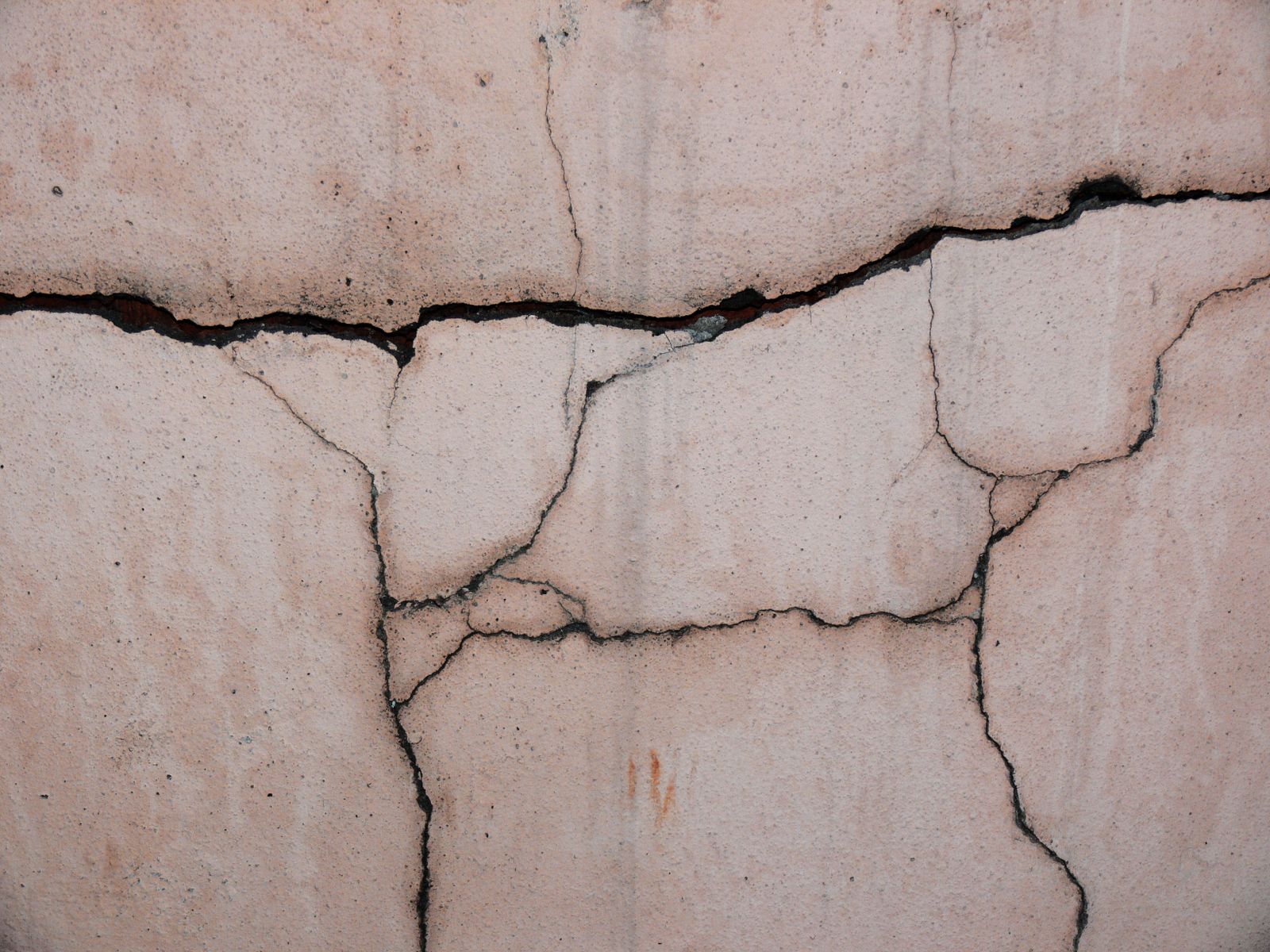
The catch is that foundation repair searches carry real fear. Nobody Googles this because they’re bored — they’re standing in a basement staring at a crack, wondering if their house is structurally sound. That changes what kind of content actually converts, which we’ll get to in a minute.
What Angi and HomeAdvisor Actually Charge for a Foundation Repair Lead
A single shared lead for a high-ticket trade like foundation repair can run $230 to $400, well above the $40–$100 range most trades pay, because the platform’s bidding algorithm prices leads by job value, not by how many contractors actually book the work.[2] And “shared” is the operative word — Angi and HomeAdvisor typically send the same homeowner to three to eight contractors simultaneously.
Industry data shows it takes 5 to 10 shared leads to book a single job, which means a company chasing $300 leads is often spending $1,500–$3,000 in lead fees before landing one $5,000 project.[2] That’s a 30–60% customer acquisition cost before payroll, materials, or a single truck roll. The FTC ordered HomeAdvisor to pay up to $7.2 million in 2023 for making unsubstantiated claims about lead quality, and mailed refunds to more than 110,000 home service businesses — a sign the industry itself knows the model has a trust problem.[3]
None of that means paid leads are worthless. It means a foundation repair company that owns even a slice of organic search traffic stops paying that tax on every single job, forever, instead of renting the same homeowner over and over. See our full cost breakdown of SEO vs. Angi and HomeAdvisor leads for the math across other trades.
The Searches Happening Before Anyone Picks Up the Phone
Homeowners don’t type “foundation repair company near me” first. They type the thing they’re scared of: “diagonal crack in basement wall,” “door won’t close after foundation crack,” “is a stair step crack in brick serious,” “foundation settling vs shifting.” These are informational searches, and almost no foundation repair company writes for them — they go straight to a homepage full of service pages nobody Googles by name.
That’s the gap. A company that publishes “Is a Diagonal Crack in My Foundation Wall Serious?” ranks for the exact panic-driven query, answers it honestly, and then makes the case for an inspection — while every competitor is still bidding on “foundation repair near me” at whatever Google Ads charges this month for a category this competitive. Water damage restoration follows the same pattern; see our SEO guide for water damage restoration companies for how fear-driven searches convert differently than routine maintenance searches.
Bowed walls, sinking porches, uneven floors, sticking windows — each symptom is its own search, and each one deserves its own page, not a paragraph buried in a general “signs of foundation problems” post.

Content That Answers the Fear Before the Estimate
Write the diagnostic content first, the sales content second. A homeowner who just found a crack wants to know whether it’s cosmetic or structural before they’ll give anyone their phone number. Pages that walk through the difference — crack width, direction, whether it’s growing, whether doors and windows are affected — build enough trust that the estimate call feels like a formality instead of a cold pitch.
This is also where photos matter more than almost any other trade. Side-by-side before-and-after shots of an actual pier installation or a leveled slab do more to convert a nervous homeowner than another stock photo of a house. If you’ve documented real jobs, that’s your best content asset — most companies just aren’t using it.
Local case studies work harder here than almost anywhere else. RankOnRepeat has watched this play out across service businesses outside foundation repair too — a martial arts gym in Taipei went from zero to over 1,100 monthly visitors on daily published content, and the mechanism is identical: answer the question people are actually asking, consistently, and Google eventually decides you’re the authority.
Local SEO Basics a Foundation Repair Company Can’t Skip
A complete Google Business Profile is non-negotiable, and reviews matter more this year than last. BrightLocal’s 2026 Local Consumer Review Survey found 97% of consumers read reviews before choosing a local business, and 41% say they “always” check — up from 29% the year before.[4] Google’s share of local business discovery actually dropped from 83% to 71% as AI tools like ChatGPT and Google AI Mode picked up the slack, jumping from 6% to 45% adoption in a single year.[4] That means the content on your site needs to be clear and well-structured enough for an AI summary to cite it, not just written to rank in a blue-link list.
Beyond the profile, build a page for every city and county served, not one generic “service area” page. Foundation repair companies typically cover a 30–60 mile radius, and each town deserves its own page with local landmarks, soil conditions specific to that area, and reviews from customers there. Structured FAQ schema on every service page also helps — see how masonry contractors structure their local pages for a comparable high-ticket trade doing this well.

How Long This Actually Takes
Four to eight months of consistent publishing before foundation-specific keywords start moving, and that’s the honest number, not the one an agency puts in a sales deck. New pages targeting long-tail symptom searches (“bowed basement wall repair cost,” “foundation crack repair vs replacement”) tend to move faster — sometimes 6–10 weeks — because competition for those exact phrases is thin. The broad head terms like “foundation repair [city]” take longer because you’re competing against companies that have been publishing for years.
The trade-off is straightforward: pay per lead indefinitely, or spend six months building an asset that keeps producing calls without a per-lead invoice attached. Most foundation repair companies never make that trade because writing 2–3 pages a week, every week, isn’t a real job function inside a construction company — which is exactly the gap RankOnRepeat’s publishing process is built to close.
Frequently Asked Questions
How much does it cost to rank a foundation repair website?
Most companies spend $800–$2,000 a month on content and basic local SEO, versus $1,500–$3,000 in Angi lead fees to book a single job. The difference is that SEO spend compounds and lead fees reset to zero every month.
Is SEO worth it for a small foundation repair company?
Yes, specifically because the average job value ($5,174) is high enough that even 3–4 organic leads a month can outpace an entire quarter of paid lead spend, once the content has had time to rank.
What keywords should a foundation repair company target first?
Start with symptom-based searches — crack types, door and window sticking, uneven floors — before competing for “foundation repair near me,” which has far more entrenched competition.
Do I still need Google Ads if I’m doing SEO?
Most companies run both during the ramp-up period, then scale back ad spend as organic traffic grows. SEO doesn’t replace ads overnight — it reduces dependence on them over time.
If publishing two or three pages a week, every week, sounds like a job nobody on your crew has time for, RankOnRepeat handles the keyword research, writing, and publishing for a flat monthly fee — no per-lead invoices, no bidding wars.
References
- Angi — 2026 national average foundation repair cost data and price ranges by repair type.
- The Valley Marketing Group — 2026 Angi/HomeAdvisor cost-per-lead data by trade and shared-lead close rates.
- Federal Trade Commission — 2023 enforcement action against HomeAdvisor over lead quality claims and consumer refunds.
- BrightLocal — Local Consumer Review Survey 2026, review-reading behavior and AI discovery channel growth.
Published by the RankOnRepeat editorial team · Last updated: September 22, 2026 · How RankOnRepeat works