
- HomeAdvisor charges $15–$300+ per lead depending on trade — and those leads go to up to four contractors simultaneously.
- SEO content compounds over time. A blog post written today can send you calls for five years without another dollar spent on leads.
- The close rate difference is significant. Inbound leads from Google close at 14.6% vs 1.7% for outbound channels like pay-per-lead platforms, according to HubSpot research.
- The payoff isn’t immediate. SEO takes 6–12 months to gain traction, so HomeAdvisor can bridge the gap while organic traffic builds.
- Most contractors overspend because they never calculate their true cost-per-acquisition — add all the leads you didn’t close, then divide.
Table of Contents
- What HomeAdvisor Actually Costs
- The Shared Lead Problem
- What Google Organic Traffic Looks Like Instead
- The 24-Month Math
- When HomeAdvisor Still Makes Sense
- How to Transition Without Killing Your Revenue
- Frequently Asked Questions
A plumber in Charlotte paid $4,200 to HomeAdvisor last year. He booked 11 jobs from it — a close rate of about 18%, which sounds reasonable until you do the math: each job cost him $381 to acquire before he turned a single wrench. His HVAC neighbor two streets over publishes two blog posts a month. His phone rings from Google, and he can’t remember the last time he paid for a lead.
This isn’t a rare story. It plays out in every trade from roofing to plumbing to general contracting. HomeAdvisor (rebranded as “Angi Leads” in 2021, though the industry largely still uses the old name) built a billion-dollar business by sitting between homeowners and contractors and charging for the introduction. The question is whether the model holds up financially — and for most established contractors, it doesn’t.
Here’s how to compare them properly.
What HomeAdvisor Actually Costs (The Number Most Contractors Never Add Up)
Signing up for HomeAdvisor starts with a mandatory annual membership fee of $347.99 — before you see a single lead. Lead costs then vary by trade: HVAC typically runs $90–$130 per lead, plumbing $60–90, roofing $50–125, and general contracting anywhere from $15 to $80 depending on project scope. A moderately active contractor in a competitive market will spend $1,500–$4,000 a month on the platform.
The model feels like a variable cost because you’re “only paying for leads.” That framing hides the real number. If you pay $100 per HVAC lead and close 20% of them, your actual cost per booked job is $500. On a service call worth $350, you lost money before accounting for labor and parts. On a $3,000 installation, the margin holds — but barely, once the annual membership is factored in.
There’s also a time cost that doesn’t show up in any invoice. The platform rewards fast response: contractors who call within five minutes of a lead notification dramatically improve their connection rate. That means calling from job sites, calling at 7 AM, answering the phone mid-conversation with a client. That context-switching has a dollar value most contractors never assign.
The Shared Lead Problem — Your Phone Rings at the Same Time as Three Competitors
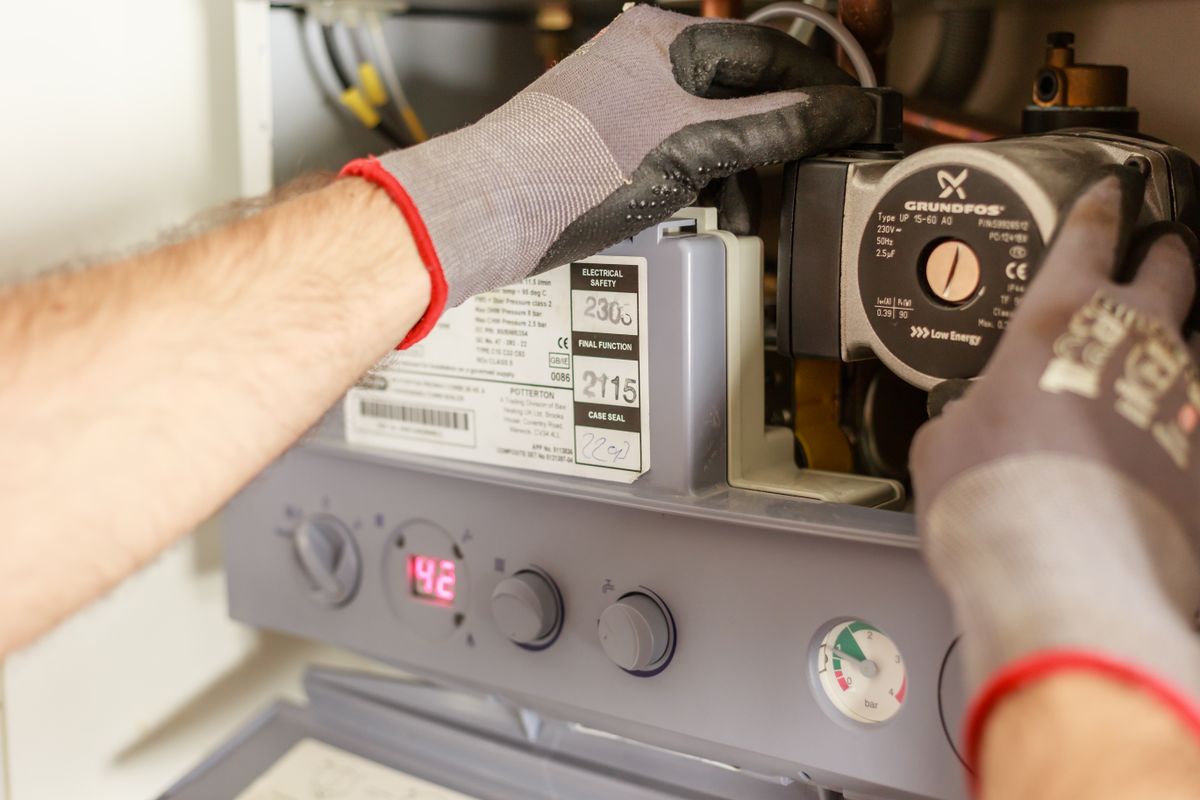
HomeAdvisor sells the same lead to multiple contractors — up to four by default. A homeowner fills out a form for a new HVAC unit, and within 30 seconds, four contractors receive the same notification. All four are now calling the same person within the same 10-minute window.
The homeowner fields four calls. Whoever calls first has a modest advantage, but price usually decides the job. When four contractors are pitching the same work to the same person simultaneously, you’re not competing on quality, reputation, or the photos from your last 15 jobs — you’re competing on who bids lower. That dynamic erodes margin on every job you close through the platform.
Beyond the competition issue, lead quality has been a persistent problem. In 2022, Angi (the parent company of HomeAdvisor) settled a class-action lawsuit for $7.2 million after allegations that the platform manufactured fake leads and charged contractors for them. [1] The company denied wrongdoing, but the settlement underscored what contractors had been saying in forums for years: a meaningful portion of their monthly spend returned zero value.
None of this is breaking news to contractors who’ve used the platform for a few years. The question is what the alternative actually looks like — and whether the math favors making a move.
What Google Organic Traffic Looks Like Instead
When someone searches “HVAC repair near me” on Google and clicks your website from the organic results, a few things are fundamentally different from a HomeAdvisor lead.
The lead is exclusively yours. No simultaneous calls to competitors, no race to the phone.
The homeowner found you, which means they’ve already made a preliminary choice before they dial. That’s a different buyer psychology than receiving your number from a middleman alongside three others. HubSpot’s research puts inbound lead close rates at 14.6%, compared to 1.7% for outbound channels. [2] That gap shows up on a contractor’s schedule.
And the traffic compounds. A well-written page answering “how much does AC replacement cost in [your city]” continues to rank and send calls months or years after it was published. The HomeAdvisor model is a treadmill — stop paying and the leads stop the same week. SEO builds an asset that keeps working.
According to BrightLocal’s 2023 Local Consumer Review Survey, 98% of consumers used the internet to find a local business at least once in the prior year. [3] The search volume is there. The question is whether your company is the one showing up when they’re ready to hire.
Sites managed through RankOnRepeat’s content system have demonstrated the compounding effect in niche markets: an archery equipment retailer reached 1,103 monthly sessions through consistent blogging alone; a retro pop culture site grew 369% in 30 days after launching a daily publishing schedule. The mechanism works the same way whether you’re selling products or booking HVAC installs — Google rewards businesses that consistently answer the questions their customers type into search.

The 24-Month Math — HomeAdvisor vs SEO Content
Here’s a direct comparison for two HVAC contractors, both spending $2,000 a month on marketing.
Contractor A runs HomeAdvisor-heavy. Year 1: $24,000 spent, averaging 8–12 closed jobs per month. Year 2: the same $24,000 produces roughly the same results — perhaps fewer as local competition on the platform increases. If they stop paying, leads drop to near zero within a week. After two years and $48,000 spent, they own nothing they didn’t own on day one.
Contractor B invests in SEO content. Year 1: $24,000 invested in blog posts and local service area pages. Months 1–4 are quiet — Google is indexing, domain authority is building. By months 5–8, the first real organic traffic arrives. By month 12, calls are coming in consistently. Year 2: the same $2,000/month continues, but now Year 1 content is also ranking. Month 3 pages sit alongside Month 18 pages, all generating traffic. By end of Year 2, their effective cost per booked lead is a fraction of what it was at month six — and dropping.
The difference is compounding. HomeAdvisor is linear: spend X, get Y leads, every month, forever. SEO is an appreciating asset. That asymmetry is why contractors who make the transition tend not to go back.
When HomeAdvisor Still Makes Sense
Dismissing HomeAdvisor entirely isn’t always the right call. There are real situations where it earns its cost.
If you’re a new contractor with no customers, no online presence, and empty weeks on your schedule, the immediate lead flow matters more than an 18-month SEO payoff. HomeAdvisor buys you revenue while your website gains traction. Similarly, it can function as a seasonal supplement — a roofing company slow in January might use the platform to fill gaps while organic traffic carries the summer months.
The mistake is treating it as a permanent foundation. Contractors who rely on it exclusively for three or four years end up with a marketing cost that never decreases, no owned audience, no rankings, and a business that essentially disappears the moment they cancel their subscription. The platform owns the relationship with the homeowner — not the contractor.

How to Transition From HomeAdvisor to Google Rankings Without Killing Your Revenue
The practical move is a gradual transition, not a hard cutoff.
Start by publishing consistently — two locally targeted blog posts per month is a realistic starting cadence. Topics like “how much does a panel upgrade cost in [city],” “signs your HVAC needs replacement,” and “what to look for when hiring a plumber” put you on a 6–12 month path to organic traction. Understanding how long SEO takes for small businesses sets the right expectations before you start.
While organic traffic builds, run a reduced HomeAdvisor budget — say $500/month instead of $2,000 — to keep lead flow stable. As Google starts converting, reduce the platform spend incrementally rather than cutting it all at once. Your Google Business Profile matters just as much as the blog: consistent reviews, weekly photo uploads, and responses to every review signal to Google that you’re an active, trusted local business.
Contractors who’ve made this transition describe the same inflection point: around month 9 or 10, organic lead volume starts matching or exceeding what they were getting from HomeAdvisor — except the callers already know who they are, didn’t receive three competing calls, and are easier to close. If you’re looking at the full cost curve, the comparison between SEO vs Angi/HomeAdvisor leads becomes one-sided fairly quickly.
If consistently publishing content sounds like too much alongside running a business, RankOnRepeat handles keyword research, writing, and publishing at a flat monthly rate — no per-post fees, no variable costs, no figuring out what to write next.
Frequently Asked Questions
Is HomeAdvisor worth it for a new contractor?
For a contractor just starting out with no established reputation and empty weeks on the schedule, yes — HomeAdvisor can provide immediate lead flow while your website and SEO build traction. Treat it as a bridge with a defined exit date, not a permanent marketing channel. Give yourself 12–18 months to develop organic rankings, then reduce the HomeAdvisor spend incrementally as Google starts converting.
How long does it take to replace HomeAdvisor leads with SEO?
Most contractors see meaningful organic traffic within 6–12 months of consistent content publishing. The full transition — where organic leads reliably exceed your previous HomeAdvisor volume — typically takes 12–18 months. Timeline depends heavily on how competitive your local market is, how often you publish, and whether your Google Business Profile is fully optimized.
What’s the actual cost per lead from SEO vs HomeAdvisor?
HomeAdvisor leads cost $40–$130 at the point of sale, but your true cost per booked job is higher once you account for the leads that didn’t close. With SEO content, you pay a fixed monthly amount regardless of lead volume, and as organic traffic scales, your effective cost per lead drops every month. At 18–24 months in, most contractors report cost-per-acquisition well below what HomeAdvisor was charging.
Can I use SEO and HomeAdvisor at the same time?
Absolutely — and most contractors making the transition run both simultaneously for a period. Keep a reduced HomeAdvisor budget to maintain baseline lead flow while organic rankings develop, then decrease the platform spend as Google conversions increase. There’s no hard rule that says you have to choose one or the other immediately.
If publishing SEO content consistently sounds like too much work on top of running a business, RankOnRepeat handles everything — keyword research, writing, and publishing — for a flat monthly fee.
Published by the RankOnRepeat editorial team · Last updated: July 29, 2026 · How RankOnRepeat works
References
- FTC — Angi Homeservices $7.2 Million Settlement — Federal Trade Commission press release on the 2022 settlement over fake leads and reviews on the HomeAdvisor platform.
- HubSpot Marketing Statistics — Source for inbound lead close rate of 14.6% vs 1.7% for outbound marketing channels.
- BrightLocal Local Consumer Review Survey 2023 — Annual survey finding 98% of consumers used the internet to find a local business in the prior year.
- Search Engine Land — Local Search Behavior — Data on local intent in Google searches and the percentage that lead to calls or visits within 24 hours.
- HomeAdvisor — Lead Pricing Overview — Platform documentation on lead cost ranges by service category and membership fee structure.