
Key Takeaways
- Dermatology paid search is brutal — average healthcare CPC sits near $3.17, but cosmetic terms like “Botox near me” routinely cross $15 per click, with some markets hitting $25+.
- Patients research before they book — 71% of healthcare consumers read provider content online before scheduling, and dermatology is a research-heavy decision because of cost and skin concerns.
- Two blog tracks matter — medical content (acne, eczema, skin cancer screening) builds insurance-pay volume; cosmetic content (Botox, filler, laser) builds high-margin cash-pay revenue.
- Consistency beats volume — practices publishing 2–4 posts a month for 6+ months see compounding traffic gains; sporadic posting produces almost nothing.
- Most derm practices outsource ad spend, not content — that’s backwards. The asset you own is the blog. The cost of ads renews every month forever.
A single click on “Botox near me” in Manhattan costs more than a fast-food meal — Wordstream’s healthcare ad data puts the average cosmetic dermatology CPC between $5 and $18, and competitive metros push higher. A dermatology practice running Google Ads for cosmetic procedures can easily burn $4,000 a month and still not be the first name a patient sees when they decide to book.
The practices winning the long game aren’t outspending the competition. They’re publishing patient-focused articles every week, ranking organically, and converting the same searchers their competitors are paying $18 a click to reach. That’s the entire strategy. Below is how it works, what to write, and the honest timeline for results.
Why dermatology is one of the most expensive specialties to advertise on Google
Healthcare has some of the highest cost-per-click rates of any vertical, and dermatology sits near the top because of the cash-pay cosmetic side. When a practice can charge $600 for a Botox session or $4,000 for a laser resurfacing treatment, advertisers will pay whatever it takes to win that click. Semrush data shows cosmetic-skincare keyword CPCs ranging from $4 for general “skincare” terms up to $25+ for procedure-specific “Botox treatment Los Angeles” style searches.
The math gets worse when you factor in conversion rates. A typical landing page for a cosmetic procedure converts at 3–5%. At a $12 average CPC, that’s a customer acquisition cost of $240–$400 before the patient walks in the door — and that’s just for the consultation, not a booked treatment. Practices doing this for years are quietly running paid acquisition at a loss to keep the chairs full.

Organic search flips this. A blog post that ranks for “best treatment for adult acne” or “is laser hair removal worth it” pulls in patient after patient at zero marginal cost. The post took a few hundred dollars to produce. Six months later it’s pulling 800 visits a month and converting steadily. The ad campaign costs the same $4,000 next month and the month after that — forever.
What dermatology patients actually search for before booking
Patients don’t start their journey by typing “dermatologist near me.” That’s the final step. The actual search behavior looks more like a research funnel that lasts weeks. Someone notices a suspicious mole and types “should I be worried about this mole.” A woman in her forties wants to address forehead lines and searches “Botox vs filler for wrinkles.” A college student with cystic acne searches “why won’t my acne go away.”
Each of those queries is a real patient at a specific decision point. The practices that show up with genuinely useful answers — not 200-word fluff pages stuffed with keywords — get the consult booking weeks later when that searcher is finally ready.
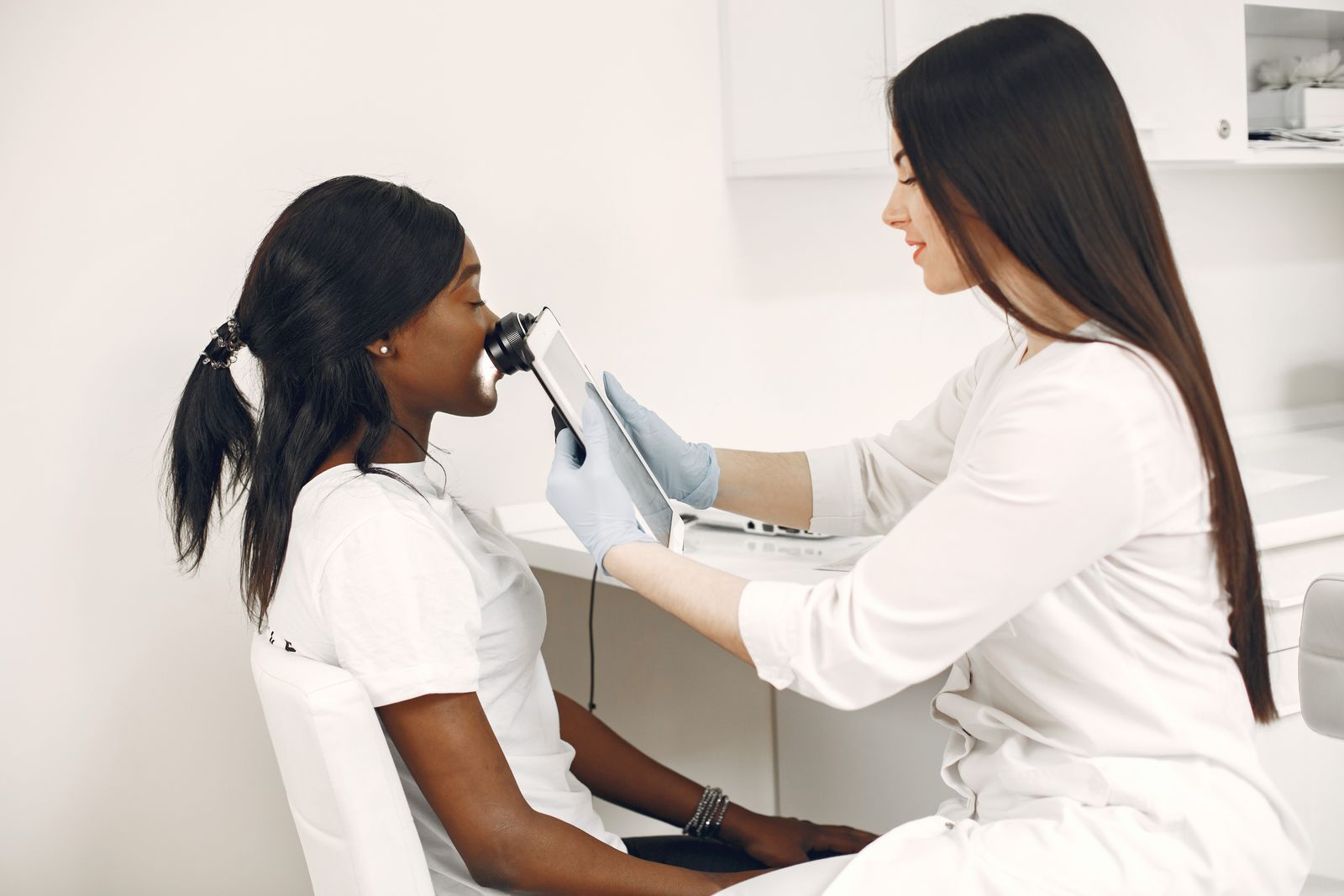
The American Academy of Dermatology reports that more than 84 million Americans visit a dermatologist each year, and the cosmetic dermatology market alone was valued at over $11 billion in the US in 2024. That volume of demand exists whether your practice ranks for it or not. The only question is whether you’re capturing it or paying someone else to capture it for you.
The blog topics that consistently pull in cosmetic and medical patients
The mistake most dermatology blogs make is publishing safe, generic content — “5 Tips for Healthy Skin” or “Why Sunscreen Matters.” Those posts have zero search volume because nobody searches that phrasing. Real patients ask specific, often anxious questions.
For the cosmetic side, the topics that consistently rank and convert include:
- “Botox vs Dysport: which lasts longer and which is better for forehead lines”
- “How much does a full face of filler cost in 2026”
- “What to expect from your first laser hair removal session”
- “Microneedling vs chemical peel for acne scars”
- “Is Morpheus8 worth it for jowls and jawline tightening”
For the medical side, the gold mine is symptom-based searches. People with health concerns are anxious and they read everything. Posts like “early signs of skin cancer to look for at home,” “how to tell rosacea from regular redness,” and “why my eczema flares up every winter” pull in patients who eventually need a visit. Our work in the cosmetic medical space — including the cosmetic dentist content pipeline and plastic surgery practices — shows the same pattern across every high-CPC medical vertical.
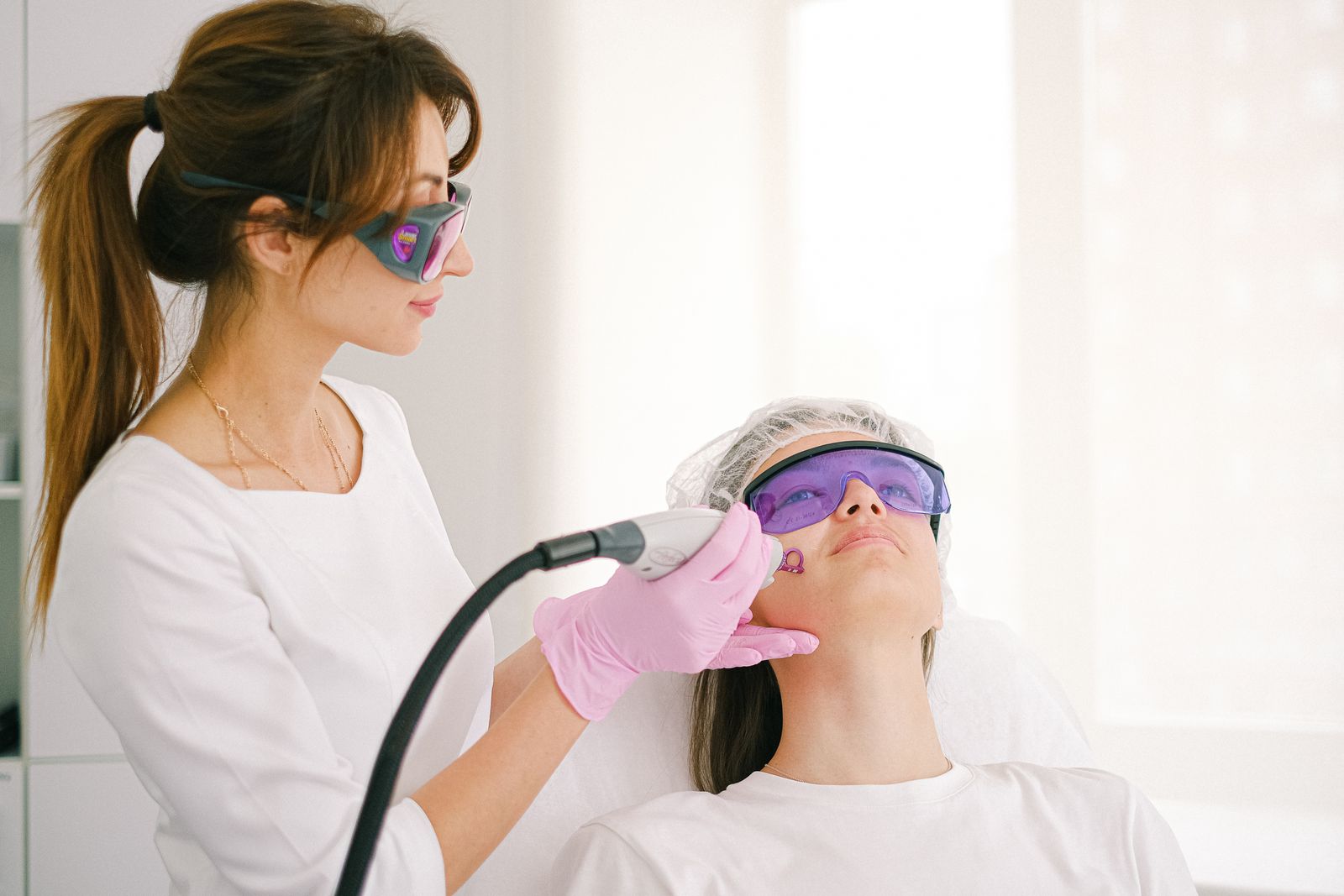
The truth is, the practices winning the cosmetic dermatology race aren’t the ones with the biggest ad budgets. They’re the ones who decided three years ago to start publishing weekly and never stopped.
How long it takes a dermatology blog to actually start producing patients
The honest answer is six months before you’ll see anything meaningful and twelve months before the blog starts pulling its weight as a real patient acquisition channel. That’s slower than ads, which produce a lead the day you turn them on. It’s also dramatically cheaper over a two-year window — and it compounds while ads decay the moment you pause spending.
Months one through three are the planting phase. New posts get indexed but don’t rank yet. Google needs to see the site publishing regularly and building topical authority before it starts trusting your content for competitive queries. Months four through six, the long-tail keywords start hitting page one. By month nine, the bigger commercial terms begin to move. By month twelve, a practice that’s been publishing two to four posts a month is typically pulling 2,000–6,000 organic visits monthly and converting consistently.
This is the part most practice owners can’t stomach. Six months of writing checks and seeing flat numbers feels like throwing money in a hole. But this is also why so few competitors are doing it well — most quit at month three when the dashboard still shows nothing. The practices that push through that valley have a moat that no amount of paid spend can match.
Where most dermatology practices waste money on SEO
The biggest waste isn’t paying for SEO. It’s paying for the wrong kind. Three patterns show up over and over when reviewing dermatology practice websites:
First, the “$300 a month for a 600-word blog” trap. A practice signs up with a generic content mill, gets a thin post about “skincare in summer” once a month, and a year later wonders why nothing ranks. Those posts don’t compete. They don’t address specific search intent. Google has gotten genuinely good at recognizing low-effort content. Publishing it actively hurts a site’s overall authority.
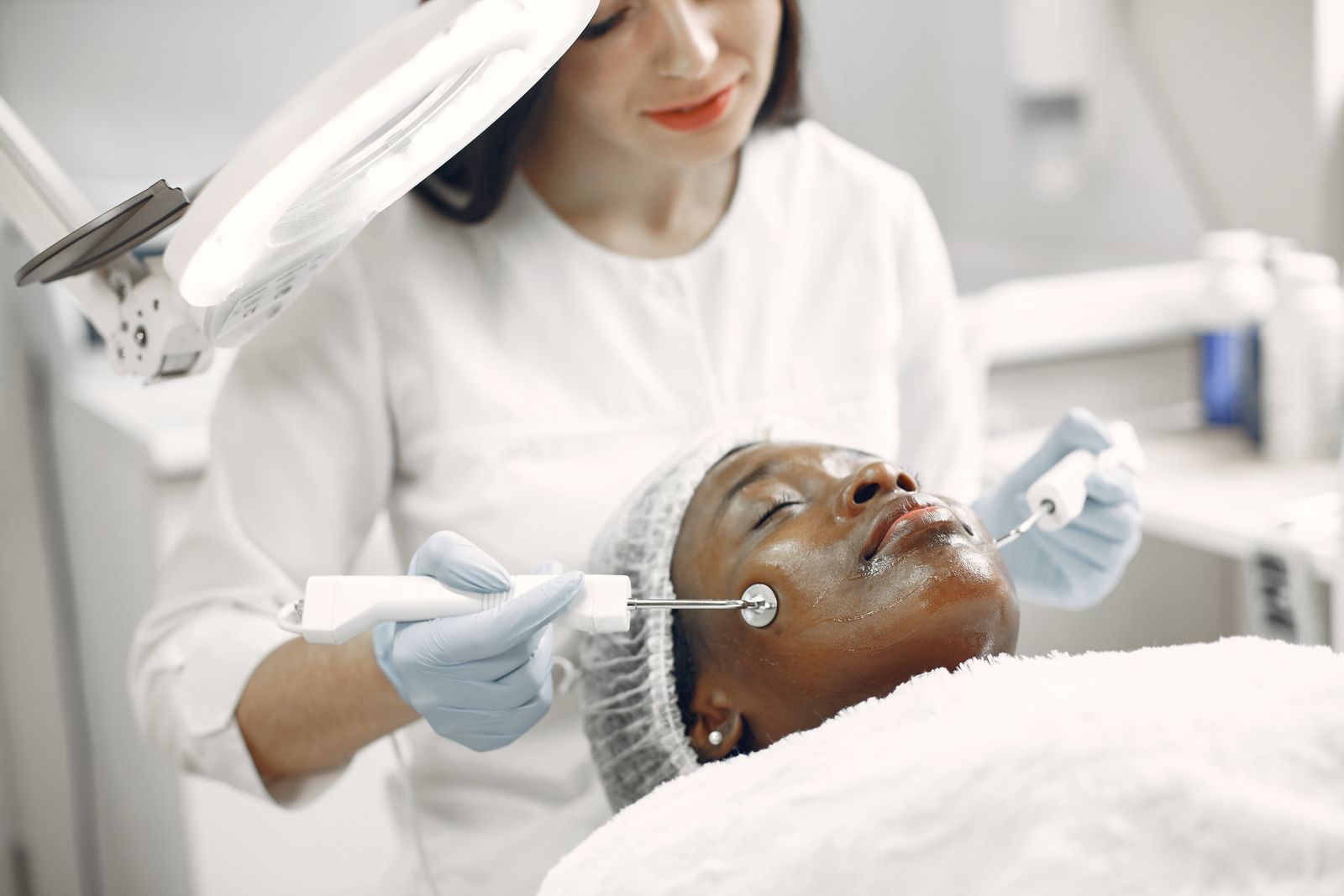
Second, obsessing over backlinks while ignoring content. Practices spend $2,000 a month on link-building services trying to acquire dofollow links from sketchy directory sites, when the same budget invested in two genuinely useful articles a week would build natural links organically. BrightLocal’s research has shown for years that content quality is the single biggest local SEO ranking factor — not the link profile.
Third, treating SEO as a one-time project. A practice spends $8,000 on a website rebuild, optimizes the homepage and a few service pages, then stops. That’s a foundation, not a strategy. Without ongoing publishing, the site flatlines. Google’s algorithm rewards freshness and consistency for healthcare topics specifically — medical information has a “shelf life” and Google knows it.
What consistent publishing actually looks like for a derm practice
The realistic minimum is two posts a month, but the practices pulling real volume publish weekly. That sounds like a lot until you realize a single 1,500-word post takes a competent writer three to four hours including research. Spread across a month, that’s a part-time freelancer or a managed service. It’s not a full hire.
A workable monthly cadence looks like one cosmetic-procedure post (Botox, filler, laser, microneedling), one medical-condition post (acne, eczema, rosacea, psoriasis), one cost or comparison post (Botox vs Dysport, microneedling cost in [city]), and one local or seasonal post (summer skin damage, winter eczema, prom-week treatments). Mix the angles, repeat the procedure terms naturally, and over six months you’ve built a content library that ranks for hundreds of long-tail variations.
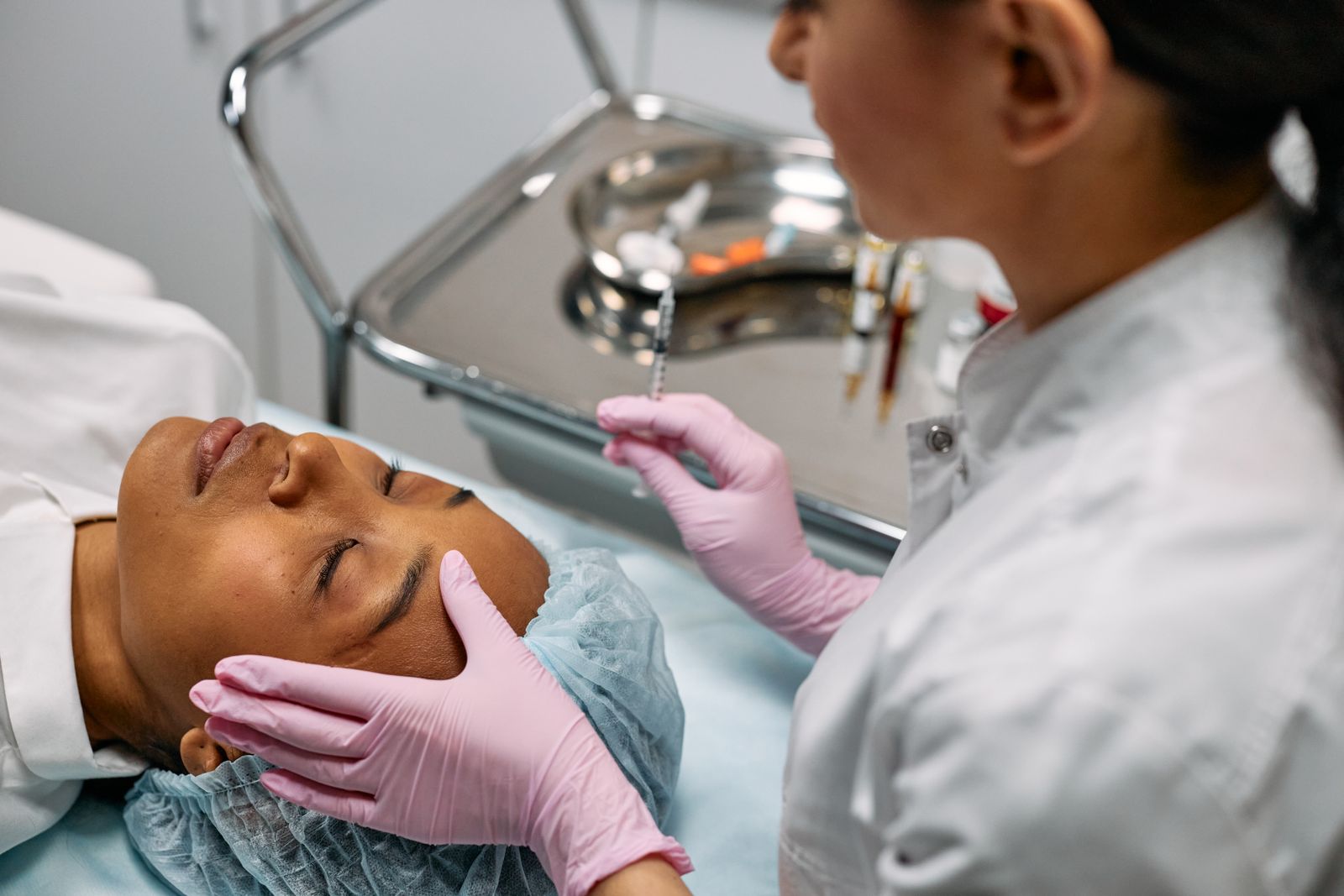
For practices that don’t want to manage writers, briefs, or publishing schedules, that’s where a managed pipeline like RankOnRepeat comes in — keyword research, drafting, image sourcing, and WordPress publishing all run on a flat monthly fee, with the same daily cadence we use for our own portfolio sites including a retro pop culture site that grew 369% in 30 days after launching a daily publishing schedule and a BJJ gym in Taipei that went from zero to 1,178 monthly visitors with daily SEO content.
Frequently Asked Questions
How much does SEO content for a dermatology practice cost per month?
Quality dermatology content runs between $500 and $2,500 a month depending on volume and whether you’re hiring freelancers directly or using a managed service. A weekly publishing cadence with proper keyword research and on-page optimization typically lands in the $1,200–$2,000 range — significantly less than what most practices spend on Google Ads in a single week.
Will Google penalize my practice for using AI to help write blog posts?
No. Google’s official guidance is that AI-assisted content is fine as long as it’s useful, accurate, and reviewed by someone with subject matter expertise. The issue isn’t AI — it’s low-effort, generic content regardless of how it was written. A dermatologist reviewing and approving AI-drafted posts for medical accuracy meets Google’s standards.
How many blog posts does a dermatology practice need to start ranking?
Most practices start seeing meaningful organic traffic between 25 and 50 published posts. At a pace of one post per week, that’s roughly six to twelve months. The first 10 posts almost always feel like nothing is happening. The traffic curve goes vertical between post 30 and 60 as Google starts treating the site as a topical authority.
Is it better to focus on cosmetic or medical dermatology content first?
Cosmetic content monetizes faster because the procedures are higher margin and the searches have clearer buyer intent. Medical content builds long-term authority and pulls insurance-pay volume that keeps the schedule full year-round. The strongest practices do both — cosmetic for revenue, medical for trust and volume.
If writing weekly dermatology content sounds like exactly the kind of work you don’t have time for, that’s the problem RankOnRepeat was built to solve. We handle keyword research, drafting, image selection, and WordPress publishing for a flat monthly fee — the same system we run for our own portfolio sites, applied to your practice. You keep the patients. We keep the content engine running. See similar playbooks for med spas and plastic surgery practices to see how this looks across adjacent verticals.
References
- American Academy of Dermatology — Burden of Skin Disease report — annual visit volumes and patient population data for US dermatology practices.
- Wordstream — Google Ads industry benchmarks — healthcare and cosmetic vertical CPC averages.
- Google Search Central — Guidance on AI-generated content — official Google policy on AI-assisted content quality.
- BrightLocal — Local Consumer Review and Search Behavior research — patient research patterns before booking healthcare appointments.
- Grand View Research — Cosmetic Dermatology Market Size report — US market valuation and growth data for cosmetic dermatology procedures.
Want content like this working for your business? RankOnRepeat writes, publishes, and manages your entire blog — keyword-targeted articles that attract clients and rank on Google, hands-free. Get started today → · Browse content samples
Published by the RankOnRepeat editorial team · Last updated: June 15, 2026 · How RankOnRepeat works