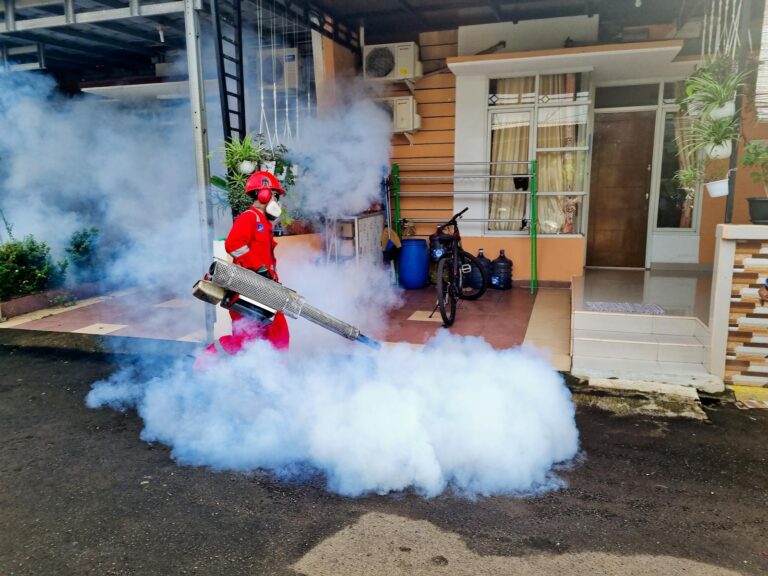
Pest control has an urgency profile unlike almost any other home service. A homeowner who discovers termites in the basement is not browsing three websites and scheduling estimates next week. They are calling whoever appears at the top of Google right now. That urgency is exactly why Google Map Pack visibility — the three local results that appear before every organic listing — converts to booked appointments at a higher rate in pest control than in almost any other trade.
The economics of SEO in this niche are also unusually strong. A pest control customer who signs up for a quarterly treatment plan is worth $600–$1,200 per year indefinitely. When you factor in that Angi and HomeAdvisor both charge $40–$80 per shared lead — shared with two other exterminators simultaneously — the math on building your own Google presence becomes obvious. One Google ranking that generates 10 recurring treatment sign-ups per month has more long-term revenue value than any paid lead platform offers.
Why Urgency Makes Local SEO Worth More in Pest Control
In most local services, a homeowner runs a search, visits two or three websites, reads reviews, and makes a decision over a day or two. In pest control, that timeline compresses dramatically. Someone who has just identified bed bugs, found a rodent in the kitchen, or spotted signs of a termite colony is calling the first credible business that appears at the top of Google. The time between the search and the phone call is often under five minutes.
This urgency changes the conversion math for ranking. A plumber’s Map Pack listing might convert 20–30% of clicks to calls. A pest control listing for “exterminator near me” when there are pests in the home can convert 40–60%, because the decision is already made and the buyer just needs a number to call. Ranking matters for every local service, but in pest control, getting to position one versus position four is a dramatically larger revenue gap.
The same urgency applies to specific pest searches: “bed bug exterminator [city],” “rat control [city],” “wasp removal [city].” These are searches by people who need help today. A competitor without specific service pages for these pests will not rank for them even if they treat them — and they will lose the call to whoever does have that page.
Google Business Profile: The Non-Negotiable Starting Point
GBP signals account for roughly 36% of Local Pack ranking weight according to Whitespark’s annual ranking factors survey. For pest control companies, that means your GBP profile is where the contest for emergency calls is decided — and most companies leave significant ranking power on the table through incomplete profiles.
Set your primary category to “Pest Control Service.” Add secondary categories for every pest type you specialize in: termite control, bed bug extermination, rodent control, mosquito control, wildlife control. Google uses these categories to match your profile against specific searches — a homeowner searching “termite treatment near me” will be matched to your profile only if you have termite listed as a service or secondary category.
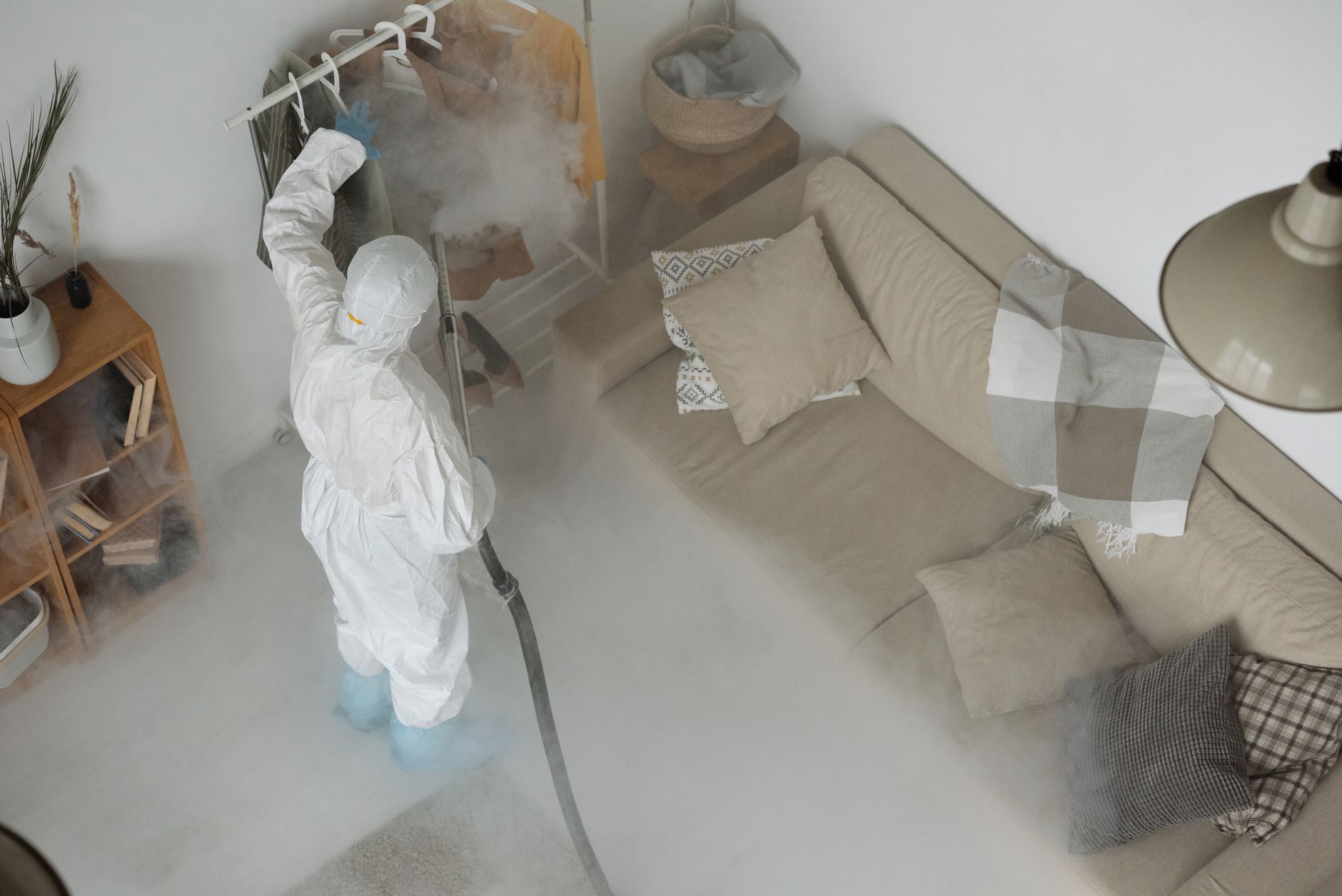
Upload photos of actual completed work: before-and-after evidence where possible, technicians in branded uniforms, treatment equipment, any visible certifications. Pest control is a trust-intensive business — the company is entering someone’s home and applying chemicals. Visual evidence of professionalism and proper equipment is a significant conversion factor. A GBP profile with 25 project photos converts substantially better than one with 3 generic stock images.
The Q&A section matters more for pest control than for most trades because homeowners have specific concerns. Pre-populate it with answers to: “Are your treatments safe for pets?” “Do I need to leave my home during treatment?” “What pests do you treat?” “Are you licensed in [state]?” Each answered question appears in search results and reduces the friction between finding your business and calling it.
Post updates weekly — completed treatments by pest type and city, seasonal pest alerts (“Termite swarm season has arrived in [city] — here’s what to watch for”), and service availability. GBP freshness is a real signal, and a pest control company that posts regularly outranks one that set up its profile two years ago and never touched it again.
Service Pages for Every Pest Type You Treat
The single most common SEO failure for pest control companies is a one-page “Services” section that lists every pest they treat in bullet points. That page ranks for none of them. Google does not rank a catch-all page above a dedicated one when a specific query exists — and “termite control [city],” “bed bug exterminator [city],” and “rodent control [city]” are all specific queries with dedicated competition.
Build a standalone landing page for each major pest category: termites, bed bugs, cockroaches, rodents (rats and mice), mosquitoes, ants, spiders, wasps and hornets, wildlife removal if applicable. Each page should answer the four questions a homeowner with that specific pest problem is asking at the moment they search: what are the signs of this pest, what treatment does your company use, how long does it take, and how much does it cost (even a price range helps conversion more than “call for a quote”).
City-specific pages follow the same principle. If you serve eight ZIP codes, build city-landing pages for each jurisdiction that include: any city-specific permitting notes, local pest activity data if available, and genuine local signals (neighborhood references, landmarks) that tell Google your presence is real and not templated. Boilerplate location pages cloned with only the city name changed are detectable and do not rank above genuine local competitors.
Seasonal and emergency content works particularly well in pest control. A page titled “Termite Swarm Season in [City]: What Homeowners Need to Know” published in late winter will rank in time for spring swarm season — and is answering the exact search that a panicked homeowner makes when they see flying termites for the first time. See how evergreen content compounds over time for local service businesses — the same approach applies directly to pest-specific guides.
Reviews: The Recurring-Service Trust Multiplier

According to BrightLocal’s 2024 Local Consumer Review Survey, 87% of consumers used Google reviews to evaluate local businesses. For pest control — where the company is entering the home and applying pesticides — the trust bar is even higher. A company with 12 reviews will lose the emergency call to a company with 85 reviews at the same price, consistently.
The collection system that generates reviews at scale for pest control is built around the treatment follow-up. After every completed service, send a text or email 24 hours later: “How did your [pest] treatment go? If everything looks good, a Google review helps us a lot — here’s the direct link.” This timing captures the moment when the homeowner has had enough time to see results but is still in the positive state from having the problem addressed.
For recurring quarterly treatment customers, ask for a review after the second or third appointment — by then, the relationship is established and the homeowner has seen consistent results. These reviews tend to be the most detailed and compelling because they speak to ongoing reliability, which is exactly what future customers of a recurring service are evaluating.
The Recurring Treatment Model Changes the SEO Math
Most local service businesses calculate lead acquisition cost against a single job. Pest control companies with annual or quarterly treatment plans should calculate it against customer lifetime value — which changes the decision significantly.
A general pest treatment customer on a quarterly plan is worth $600–$800 per year. A termite prevention contract customer might pay $400–$600 annually for a maintenance warranty. Over three years, a single acquired customer represents $1,800–$2,400 in predictable revenue. Against that math, spending six to twelve months and a few hundred dollars per month building Google rankings is a straightforward investment — not a cost.
The SEO structure that matches this revenue model goes beyond acquisition keywords to include retention-supporting content: “How long does termite treatment last?” “What pests are active in [city] in summer?” “Signs your quarterly pest treatment is working.” This content keeps existing customers engaged, reduces churn, and generates the kind of repeat search visits that signal content quality to Google over time.
Citations and Licensing: The Trust Infrastructure
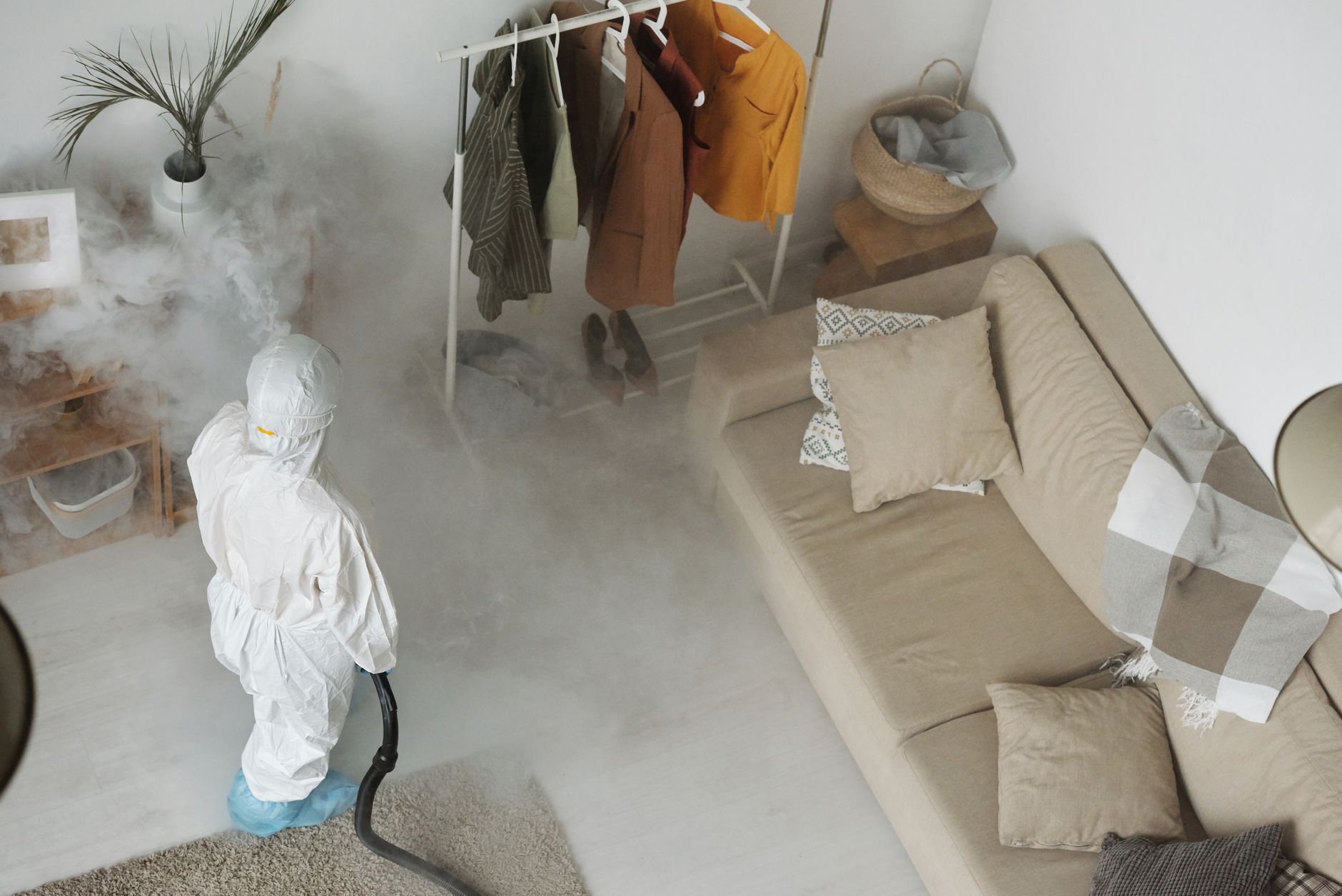
Pest control is a licensed trade in every U.S. state, and search behavior reflects that. Homeowners searching for exterminators specifically look for licensing information before calling — particularly for termite work and rodent control, where improper treatment can cause significant problems. Your GBP and website should surface your state license number prominently, your insurance coverage, and any manufacturer certifications (Sentricon-Certified, etc.).
Citation consistency — matching name, address, and phone number exactly across Yelp, Angi, Facebook, HomeAdvisor, PestRoutes directory listings, and any pest-control-specific platforms — is table stakes for Local Pack ranking. Inconsistencies in how your business name abbreviates or whether your suite number appears create conflicting signals that Google treats as a reliability concern.
For the technical foundation that supports these signals, see our guide on how to rank in Google Maps — the citation and proximity factors covered there apply directly to pest control Local Pack performance.
What the SEO Timeline Looks Like for Pest Control
Month one: GBP fully optimized with pest-type categories, initial project photos uploaded, first service pages built for your top three pest types. Initial Map Pack movement in lower-competition nearby zip codes.
Months two through four: Specific pest pages begin ranking for long-tail service queries. Reviews arriving from the follow-up system. Emergency-query traffic starting to appear in Search Console.
Months five through eight: Consistent volume from service-specific queries. The main city + “exterminator” terms beginning to move toward page one.
Month twelve and beyond: The compounding effect — each new service page, review, and GBP post reinforces what was built. Seasonal content from the previous year now ranks before swarm season arrives. Competitors who have not built this infrastructure are falling further behind every month.
The pest control companies with full routes six months from now are not the ones paying $70 per shared Angi lead and hoping their estimator is faster than the competitors who got the same call. They are the ones who built Google visibility, structured their website around the pests they treat, and collected reviews at every completed job. That infrastructure generates exclusive inbound calls at no marginal cost per lead — and gets stronger every month it is in place.
Sources

- BrightLocal Local Consumer Review Survey 2024 — Consumer review behavior for local business decisions
- Whitespark Local Search Ranking Factors 2024 — GBP signals account for ~36% of Local Pack ranking weight
- Google — Manage your Business Profile — Official GBP documentation
- Rank on Repeat — How to Rank in Google Maps
- Rank on Repeat — Evergreen Content for Local Service Businesses
References
- Moz — The Local SEO Guide — GBP, citations, and review velocity signals that drive emergency service bookings
- BrightLocal — Local Consumer Review Survey — How homeowners evaluate pest control companies through online reviews before calling
- U.S. EPA — Pesticides Program — Licensing and regulatory framework pest control companies should cite for E-E-A-T
- Semrush — Local SEO — Pest-type service page structure and keyword research for extermination businesses